
होमAsian CricketSouth Africa End Australia's Test Reign as World No.1; Australia Slip Two Places in WTC
Asian Cricket
South Africa End Australia's Test Reign as World No.1; Australia Slip Two Places in WTC
दक्षिण अफ्रीका ने केप टाउन में निर्णायक टेस्ट 176 रनों से जीतकर ऑस्ट्रेलिया को 2-1 से हराया और आईसीसी टेस्ट रैंकिंग में नंबर-1 बन गया। आईसीसी रेटिंग में दक्षिण अफ्रीका 124 और ऑस्ट्रेलिया 122 अंकों पर हैं। WTC तालिका में न्यूजीलंड 72.22 प्रतिशत के साथ पहले, दक्षिण अफ्रीका 71.43 प्रतिशत के साथ दूसरे और ऑस्ट्रेलिया 69.23 प्रतिशत के साथ तीसरे स्थान पर है; सीरीज़ से पहले ऑस्ट्रेलिया 80 प्रतिशत के साथ शीर्ष पर था। कप्तान टेम्बा बावुमा ने ग्क़ेबरहा टेस्ट में 179 रन बनाए, जिससे 0-1 से पिछड़ी टीम ने वापसी की। ध्यान दें कि सीरीज़ जीतने के बावजूद दक्षिण अफ्रीका का WTC प्रतिशत 75 से घटकर 71.43 हो गया, क्योंकि हार से भाजक बढ़ता है; और उसका आँकड़ा केवल 7 टेस्ट पर आधारित है। भारत के पास इस चक्र में सात टेस्ट बाक़ी हैं (न्यूजीलंड के ख़िलाफ़ 2, ऑस्ट्रेलिया के ख़िलाफ़ 5); ऑस्ट्रेलिया के दो पायदान नीचे जाने से भारत की सापेक्ष स्थिति को फ़ायदा है, हालाँकि भारत का अपना प्रतिशत अपरिवर्तित है।
In the decisive Test at Cape Town, South Africa beat Australia by a massive margin of 176 runs. With this win, the Proteas claimed the three-match series 2-1 and rose to the top of the ICC Test rankings as the world's No.1 Test side. Australia suffered a double blow — they lost the top spot in the Test rankings and slipped two places in the World Test Championship (WTC) standings. It was a series in which the hosts lost the opening Test and fell behind, but they refused to give up and won the next two matches to turn the series around.
According to the latest ICC Test rankings, South Africa are on 124 rating points at the top, while Australia have slipped to second with 122. A gap of just two points shows how fragile this change at the top is. In a rolling rating system, points move continuously and the weight of older results fades over time, so a couple of results can flip the order again. Treating a two-point gap as decisive would be a mistake.
The rest of the top five includes New Zealand, India and England. However, the available material does not give the rating points of these three sides, which makes it hard to judge how far they are from the top team. Presenting only selective numbers leaves the reader without the full picture and the 'crown changed hands' narrative remains incomplete.
How the series unfolded
The direction of this three-match series was set in the very first Test, where South Africa lost and went 0-1 down. Losing a home series is considered a major failure for any side, and the pressure on the team naturally increased after that defeat.
The second Test was played at Gqeberha, and that is where the series turned. Captain Temba Bavuma played a superb innings of 179 and not only brought the team back into the contest but changed the entire mood of the series. That innings proved to be the central link of the campaign.
On the back of that innings, South Africa won the second Test to level the series 1-1. They then won the decisive Test at Cape Town by 176 runs to take the series 2-1. In Test cricket a 176-run margin is considered large, and it shows that South Africa were completely on top in the deciding match.
However, detailed information about this decisive win is missing. The scorecard, the totals of each innings, the bowlers' figures or the player of the match are not mentioned in the available material. The match is presented only as a result, which makes it hard to understand how the win was built — whether it came from strong South African batting or an Australian collapse. Reporting only the margin without the match detail gives the reader an incomplete picture.
Bavuma's innings: a captain's answer
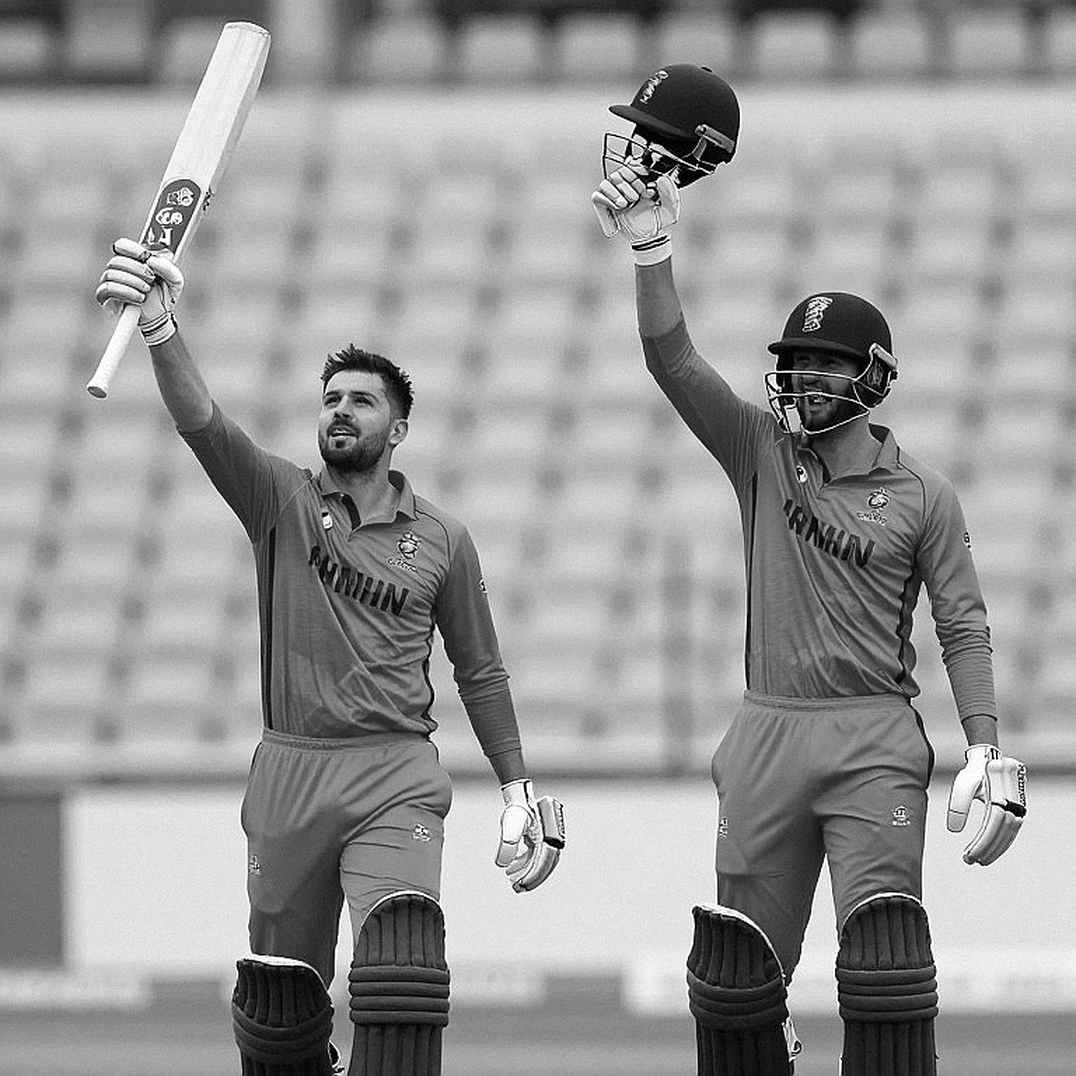
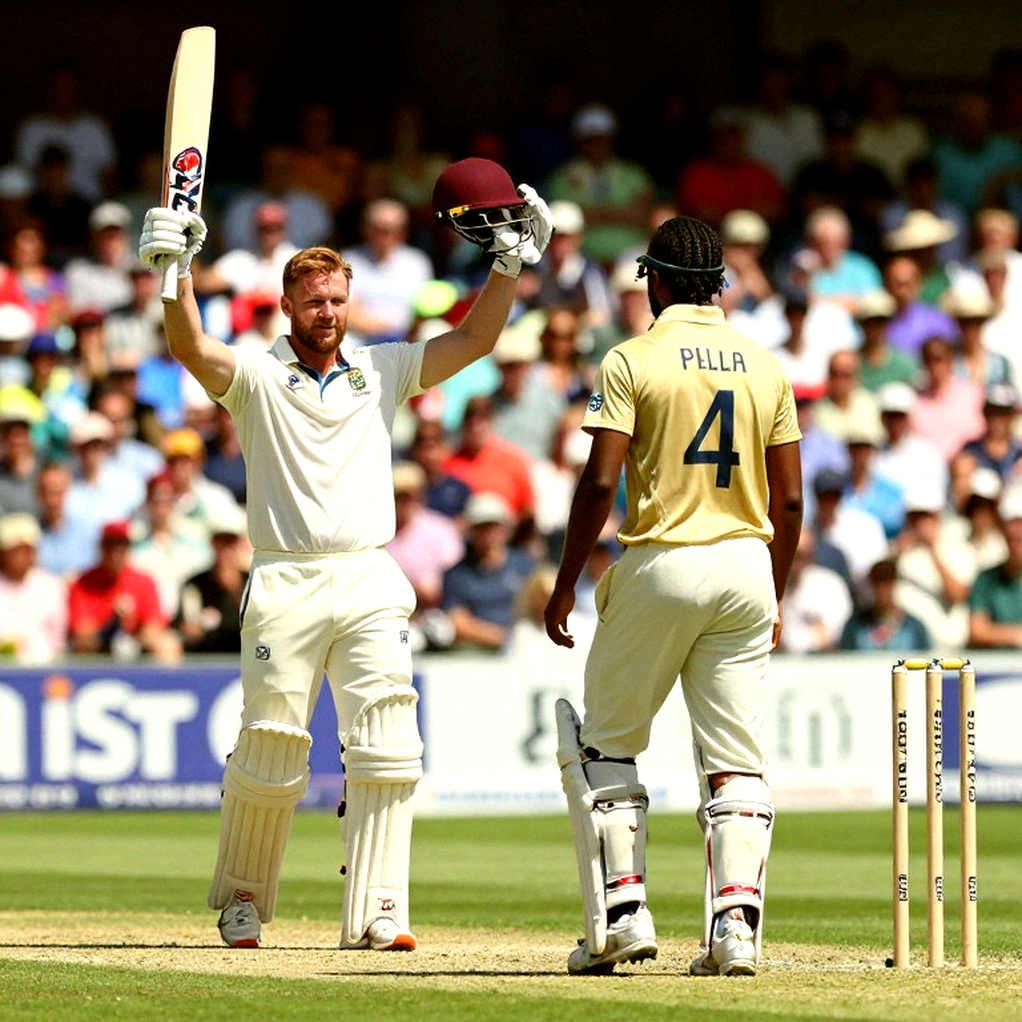
Temba Bavuma's 179 is being seen as the decisive moment of this series. When the team was trailing and the pressure was at its peak, the captain took charge and showed the team the way back. The innings mattered not only in terms of runs but also psychologically.
It gave a losing team the belief that the series could be turned around. A captain standing up in difficult circumstances sends a clear message to the dressing room, and that message showed in the team's performance in the following matches. For Bavuma, the innings is also significant because it laid the foundation of a major series win under his captaincy.
A big shake-up in the WTC table
In the latest World Test Championship table, New Zealand top the standings with 72.22 per cent. South Africa are second with 71.43 per cent and Australia third with 69.23 per cent. That is, the same Australia that was on top with 80 per cent before the series has now fallen to third.
Before the series, the standings were as follows — Australia first with 80 per cent, South Africa second with 75 per cent and New Zealand third with 72.22 per cent. After the series the order changed completely — New Zealand first, South Africa second and Australia third. One series changed the position of all three teams and reversed their order.
New Zealand's top spot came without playing. They benefited directly from the results between South Africa and Australia. This shows that in the WTC the results of others matter as much as your own — it is a table where every match affects several teams.
Why the percentage fell despite winning the series
The most interesting part of this whole episode is that South Africa won the series but their WTC percentage fell. Before the series it was 75; after the series it was 71.43. That sounds counter-intuitive, but the reason lies in the WTC points system.
In the WTC, a win earns 12 points, a draw 4, a tie 6 and a loss zero. The percentage is calculated by dividing points earned by the maximum possible points. When a team loses a match, the number of matches it has played increases, meaning the denominator grows. South Africa won the series but also lost a match, and that pulled their overall percentage down.
In numbers: before the series South Africa had 3 wins and 1 loss in 4 matches — 36 points out of a maximum 48, or 75 per cent. After the series they had 5 wins and 2 losses in 7 matches — 60 out of 84, or 71.43 per cent. Australia, meanwhile, had 8 wins and 2 losses in 10 matches — 96 out of 120, or 80 per cent. After 1 win and 2 losses in the series they had 9 wins and 4 losses in 13 matches — 108 out of 156, or 69.23 per cent.
This is the mechanism by which South Africa stayed behind New Zealand despite winning the series. The table reports the outcome but not the reason, which can leave the reader with the impression that winning the series pushed South Africa up, when in fact their percentage fell.
New Zealand's figure follows the same logic — 8 wins, 2 draws and 2 losses in 12 matches gives 104 points out of a maximum 144, or 72.22 per cent. This makes clear that draws also affect the percentage and that the arithmetic is not simply about wins and losses.
There is another aspect worth noting — South Africa's 71.43 per cent rests on only 7 Tests, whereas Australia's figure comes from 13 Tests and New Zealand's from 12 to 18. A percentage normalises the denominator but does not remove the volatility created by sample size.
The direct implication is that a percentage based on 7 matches is highly volatile. A single win or loss can move South Africa's percentage by a large margin. So the question of who is really No.1 should not be answered on the basis of this percentage alone.
ICC ratings and the WTC: two different systems
An important point needs to be understood here, one that people often mix up. New Zealand are third in the ICC Test ratings but first in the WTC. This is not a contradiction — the two systems work differently and answer different questions.
The ICC Test ranking is a rolling, multi-year weighted system. Recent matches carry more weight and older matches gradually lose weight. Its purpose is a broad assessment of a team's overall strength, not just the current cycle.
The WTC, by contrast, is a cycle-based percentage system. Only matches in the current cycle are counted and the percentage of points won is calculated. It therefore says how a team is performing in this particular cycle, not how strong it is overall.
That is why it is entirely possible for a team to be third in the ICC ratings and first in the WTC. Treating the two tables as contradicting each other is wrong. Readers need to understand this, because this is where most confusion arises and where seeing two different 'No.1s' on the same day can baffle people.
Bavuma's reaction
After the match, captain Temba Bavuma said this was one of the biggest achievements of his career. He said the team never gave up even after falling behind in the series and focused on one match at a time.
Bavuma said there was no despair in the dressing room after losing the first Test. According to him, the team knew the series was long and that one good innings could change things. That belief paid off in the following matches.
On reaching No.1, Bavuma said it was the result of the hard work of the whole group. It is also a tribute to the players who stayed with this team and contributed to the journey. He added that the win belongs to everyone who has backed this side over the years.
However, the full context behind these statements is not available. The text of the questions asked at the press conference is missing, and some of the context attached to the quotes may be editorial inference. The statements should therefore be read in their original form and not given more meaning than they carry.
The India equation
Now the Indian angle. This result has also affected India's WTC position. The available material says that Australia's defeat changed nothing for India's own points or percentage.
But saying 'nothing changed for India' is not the whole picture. Australia, a direct rival for a final spot, has slipped two places. That is unambiguously favourable to India's relative position.
The accurate statement is that India's own percentage did not change because of this result, but their competitive context certainly did. The two things must be kept separate, otherwise a correct fact can lead to a wrong conclusion and the reader may believe that Australia's slide gives India no advantage.
India have seven more Tests left in this cycle — two against New Zealand and five against Australia. The series against New Zealand begins later this month, while the series against Australia is early next year.
Regarding these seven matches, it has been claimed that India's 'only way' to reach the final is to win all seven. That claim is too strong. Winning all seven is a sufficient condition, not a necessary one.
Draws also earn points in the WTC. If India draw some matches and rivals drop points at the same time, qualification is possible without a clean sweep. Presenting it as the final truth is therefore not right. The correct approach would be to compute the possible scenarios and show under what conditions India can go through.
India's real challenge is to focus on their own results while also watching how the rivals' results come in. In the WTC, fate is not entirely in your own hands — others' results are decisive too, and that is the most distinctive feature of this format.
The challenge for Australia
The road is now difficult for Australia. After dropping to third with 69.23 per cent, they need a string of wins to bounce back. But with 122 rating points they remain second in the ICC rankings, meaning their real strength is still intact.
It is also worth noting that there is no reaction from the Australian side in this report. No captain's statement, no coach's, no selectors'. There is no explanation of the collapse, which leaves that side of the story incomplete. A balanced report needs both voices.
The road ahead
South Africa now face the challenge of defending their top spot. The 71.43 per cent built on only 7 matches keeps them second, but a single loss in the coming matches could push them down.
Australia face the challenge of a comeback, and India of settling their fate across seven matches. The next few months will be crucial for Test cricket, because the three teams are very close to each other and none is able to build a big lead.
The whole episode shows that Test cricket can have two different 'No.1s' at the same time. One team can be top of the ICC ratings and another top of the WTC. Both have their own value and both tell their own story.
The 176-run win at Cape Town is not just the result of one match. It is the end of a series in which South Africa came back from behind and claimed the biggest crown in world Test cricket. Bavuma's 179 and the win that followed are now part of cricket history.
As for the numbers, the percentages available are fully internally consistent and the pre-series table is derived from them. But these tables change after every match, so they must be read with a date attached. Without a date these figures are incomplete and should not be treated as final.

संबंधित खिलाड़ी
अनुशंसित
Santner's 4/21: The Scorecard Before the Record2026-10-25
Past the Edge, Nobody at Slip: How India's Powerplay Wobbled in 6.5 Overs2026-10-26
Two Tests, 24 Points and a Pre-Declared Target: What Darren Sammy Actually Said in Dhaka2026-10-30
Wellington's 118: The Record Powerplay, and the 81/4 Nobody Put in the Headline2026-10-28
Shadab-Rauf's Heroic Stand and a Crucial Review Turn the Match as Pakistan Edge England by One Wicket2026-10-27
IND vs NZ 4th T20I: The Eden Park Ledger Records 35 Balls, Not 87 Runs2026-10-31
The Day a Central Bank Circular Walked Into the Cricket File2026-10-26
अनुशंसित
When the Schema Comes Back Empty: Inside an Audit of Asian Cricket Coverage2026-10-31
A Cricket Label on a Petrol Report: When the Content Pipeline Handed Over a Stock Sheet Instead of a Scorecard2026-10-30
Tag Filled, Facts Empty: The Cricket Data Pipeline Flaw That Costs the Most2026-10-25
Harmanpreet Kaur's Eighth ODI Century: Three Dropped Catches, 328/6, and the Number Behind the Number2026-10-27
Jansen's Double No.1 and Abhishek's T20 Return: The ICC Table's Snapshot and Cape Town's Pace2026-10-29
Khawaja's career-long secret: the scorecard column that was never printed2026-10-27
Two Tests, 24 Points and a Pre-Declared Target: What Darren Sammy Actually Said in Dhaka2026-10-30
अनुशंसित
Auqib Nabi Added to India Squad for First Three ODIs vs New Zealand as BCCI Splits Captaincy Between Gill and Iyer2026-10-31
Rathnayake's stunning catch removes Babar Azam as Lahore tri-series final catches fire2026-11-01
Asia's Real Transfer Window Is Buried in the NOC File2026-11-01
The Shape of Asian Cricket: Format Plurality, Market Concentration and the Discipline of Information2026-10-31
Gill 13th, Ronaldo 14th: What the Marketability Index Actually Measures and What It Hides2026-11-01
The Empty Rows: Where Cricket's Data Never Reaches, Decisions Still Get Made2026-10-30
BCB XI vs West Indies Warm-Up: Eight Double-Figure Scores, Zero Centuries — and That Is the Real Story2026-10-24
अनुशंसित
Big partnership can put Bangladesh in winning position: Nayeem2026-10-31
Khawaja's career-long secret: the scorecard column that was never printed2026-10-27
Behind Shanto's 'small targets' sits Bangladesh's six-Test arithmetic2026-10-28
Lahore's 241: Shaheen's Four, Razaullah's Debut, and a Scorecard That Won't Tell Us the Result2026-10-26
Empty Data, Full Stories: Cricket Coverage's Next Big Crisis2026-10-31
The New Economy of Asian Cricket: Revenue Dominance, League Expansion and the Governance Test2026-10-31
Empty Ledger, Full Format: Auditing a Report From the Asia Desk2026-10-28