
Jansen's Double No.1 and Abhishek's T20 Return: The ICC Table's Snapshot and Cape Town's Pace
**मुख्य उत्तर:** मार्को जेनसन ने आईसीसी टेस्ट गेंदबाजी और टेस्ट ऑलराउंडर रैंकिंग में पहला स्थान हासिल किया है; अभिषेक शर्मा टी20ई बल्लेबाजी में नंबर एक पर लौटे हैं। केप टाउन टेस्ट जारी रहने से जेनसन का शीर्ष स्थान अस्थायी है। **मुख्य तथ्य:** • जेनसन: ऑस्ट्रेलिया के खिलाफ दो टेस्ट में 10 विकेट और 146 रन; ग्वेबरहा में 5/33, ऑस्ट्रेलिया 99 पर ढेर। • जेनसन के 876 अंक, पाँच स्थान ऊपर; स्टार्क ने केप टाउन टेस्ट में छह विकेट लिए। • अभिषेक: 29, 27, फिर 38 गेंदों पर 113 रन; टी20ई बल्लेबाजी में नंबर एक। • बावुमा 179 रन पर प्लेयर ऑफ द मैच और टेस्ट बल्लेबाजी में दूसरे; ब्रूक ओडीआई में 202 के बावजूद आठवें। • जडेजा चार साल से अधिक के बाद टेस्ट ऑलराउंडर शीर्ष से एक स्थान नीचे। **स्रोत:** आईसीसी रैंकिंग अपडेट, केप टाउन टेस्ट के दौरान जारी; प्रकाशन तिथि उपलब्ध नहीं। आँकड़े स्वतंत्र रूप से सत्यापित नहीं। **संबंधित प्रश्न-उत्तर:** प्रश्न: जेनसन का नंबर एक अस्थायी क्यों है? उत्तर: केप टाउन टेस्ट जारी था और स्टार्क के छह विकेट अगली तालिका में शीर्ष बदल सकते हैं। प्रश्न: अभिषेक की वापसी का आधार क्या था? उत्तर: न्यूजीलैंड के खिलाफ 38 गेंदों पर 113 रन की पारी और रैंकिंग खिड़की में जुड़े अंक। प्रश्न: भारत के लिए सबसे बड़ा संकेत क्या है? उत्तर: जडेजा का चार साल का टेस्ट ऑलराउंडर शीर्ष खत्म होना भारत की संतुलन रणनीति पर दबाव दिखाता है।
NEWLANDS, Cape Town — The sea air was lifting the ball off the grass. Mitchell Starc was in the middle of a spell, and the scoreboard was collecting wickets. Across the same afternoon, the ICC rankings page refreshed: Marco Jansen at No.1 in Test bowling and No.1 among Test all-rounders; Abhishek Sharma back at No.1 in T20I batting. The headlines were clean: a double crown and a return. I went looking for a match and found a character in the stands; this time the stand was empty, and the character was sitting in the table. Jansen’s 876 points, his five-place jump, his 10 wickets and 146 runs across two Tests against Australia are real. The story around them is less settled. Starc had taken six wickets in the Cape Town Test while the table showed him slipping one place. The ranking is a shutter speed: a photograph taken while the match is still moving.
Three windows in one update
The ICC update changed three of nine top spots. Jansen moved to No.1 in Test bowling, up five places. He also sits at No.1 among Test all-rounders. Temba Bavuma climbed to No.2 in Test batting. Harry Brook holds No.1 in Test batting. Shubman Gill remains No.1 in ODI batting. Abhishek returned to No.1 in T20I batting. Ravindra Jadeja slipped one place from the top of the Test all-rounder table after more than four years. These are three different cricket languages in one bulletin: the slow, grass-and-wind language of Test cricket; the fast, one-innings language of T20I; and the appearance-window language of ODI rankings. Reading them across formats is the easiest mistake this update invites.
Jansen’s case rests on two Tests. He took 10 wickets and made 146 runs against Australia. His 5/33 at Gqeberha bowled Australia out for 99. Bavuma made 179 in the same match and was Player of the Match. Both efforts came in the same ground air — St George’s Park, where the seam moves and a batter’s patience runs short. In Cape Town, Starc took six wickets, yet the update shows him one place lower. In the same week, the table and the field are flowing in different directions. That gap is the real story.
The crowd does not fill the stadium; it writes the second script. The rankings table writes a second script too, but its ink comes from a weighted window rather than from the sweat of the day. It tells you who accumulated the most points over recent months. It does not tell you whose ball was quickest on this morning. The Cape Town Test was still in progress, so Jansen’s top spot is a provisional photograph. The update itself concedes that the position may change again. For the reader, the meaning is clear: check the calendar before lighting the celebration.
Abhishek’s return opens the second window. Against New Zealand he made 29 and 27 in the first two T20Is, then 113 off 38 balls in the third, a strike rate around 297. That is not a rhythm; it is an explosion. The ranking saw the explosion and put him back at No.1. Ishan Kishan had taken the spot in July, then injury removed him after one match, and Abhishek returned. When a top ranking changes hands because of one injury absence, it says more about availability than about dominance.
Jansen: ball, bat and the No.8 arithmetic
Jansen’s double No.1 is a genuine achievement. Ten wickets and 146 runs in two Tests are numbers no one should wave away. The way they are read matters. His 146 runs came at No.8. The 85 was also a lower-order innings. That is valuable to the team, and it is a different asset from a top-six all-rounder’s runs. The all-rounder ranking adds batting and bowling points; it does not ask where the runs were made. Eighty-five at No.8 and eighty-five at No.6 can look alike in a formula, while carrying different weight in team strategy. The all-rounder No.1 is a formula outcome; the role certificate is a separate document.
That distinction is sharp in Jansen’s case. He is a left-arm quick who uses the angle across the right-hander and the seam movement of South African conditions. The wind at St George’s Park and the grass at Newlands sharpen that angle. Every tactical board is a short story about people negotiating space. Jansen’s bowling creates the space where the batter must play, and the space where he is denied the room to play. His 5/33 showed both. Australia’s 99 was the pressure made visible.
The sample is the problem. Two Tests do not define a career. Jansen’s 876 points are high, but the 900-plus band is usually treated as an extraordinary zone. The figure places him near a career peak. It does not prove that he will be the same bowler on flat Asian pitches. The available update gives no home-away split. His known profile is stronger in seam-friendly conditions than in slow, dry ones. The ranking folds that difference into one line.
For South Africa, the double No.1 is good news and a warning at once. Good news because they have a player who can turn a match with the ball and add 85 with the bat. Warning because the country’s top-of-table presence is concentrated in two names: Jansen and Bavuma. Jansen is No.1 in bowling and all-rounder; Bavuma is No.2 in batting. Remove either and the upper half of South Africa’s ranking footprint empties. Strength that depends on two players stands one injury away from fragility.
The Test series makes this plainer. Australia were bowled out for 99, then Starc took six wickets in Cape Town to show that the contest is not one-way. South Africa’s attack runs through Jansen’s angle. If an opponent neutralises that angle, who is the second wicket-taker? The update does not answer. A ranking table shows individual peaks; it does not show the depth of a bowling attack.
Starc’s six wickets and the lag in the photograph
The most important structural fact is that the rankings were released in the middle of the Cape Town Test. Starc took six wickets in that match while the table showed him one place lower. This is the nature of a rolling formula. The ranking is a weighted average of recent performances. It does not wait for the last ball. In journalism, the problem is plain: the table looks fresh while the match is still being played.
I have watched India collapse for 36 at the Adelaide Oval from a quarter-full stand. That day, no table could have explained the next six weeks, when the same side chased 328 at the Gabba. A ranking window cannot hold that turn. The same applies to Jansen and Starc. Starc’s one-place slip is a sign of the table lagging, not of his decline. Six wickets in a live Test is a louder statement than any update.
Jansen’s No.1 is directly exposed to that lag. If Starc’s wickets continue, the next table may have a different name at the top. The update itself says the position may change. The headline and the underlying state are true and unstable at the same time. By the time a reader finishes the page, the table may already be stale. Read it as a weather map, not as a guarantee.
Abhishek’s 113: spark, variance and the window
Abhishek’s return begins with 113 off 38 balls. That innings was a gift to the ranking. The 29 and 27 before it are the other half of the story. The sequence — 29, 27, 113 — describes a batter with high risk and high return. The ranking rewards the brightest point in the window. Team selection looks at the same innings and asks whether the risk can survive the next match.
The two low scores suggest that opponents had a plan: take pace off after the powerplay, bowl wide yorkers, pull him away from his strength. He broke that plan once. One broken plan does not erase the technical question. In the ranking’s eyes, 113 is a large innings. In a bowling analysis, it is an innings that covered the questions raised by the first two matches.
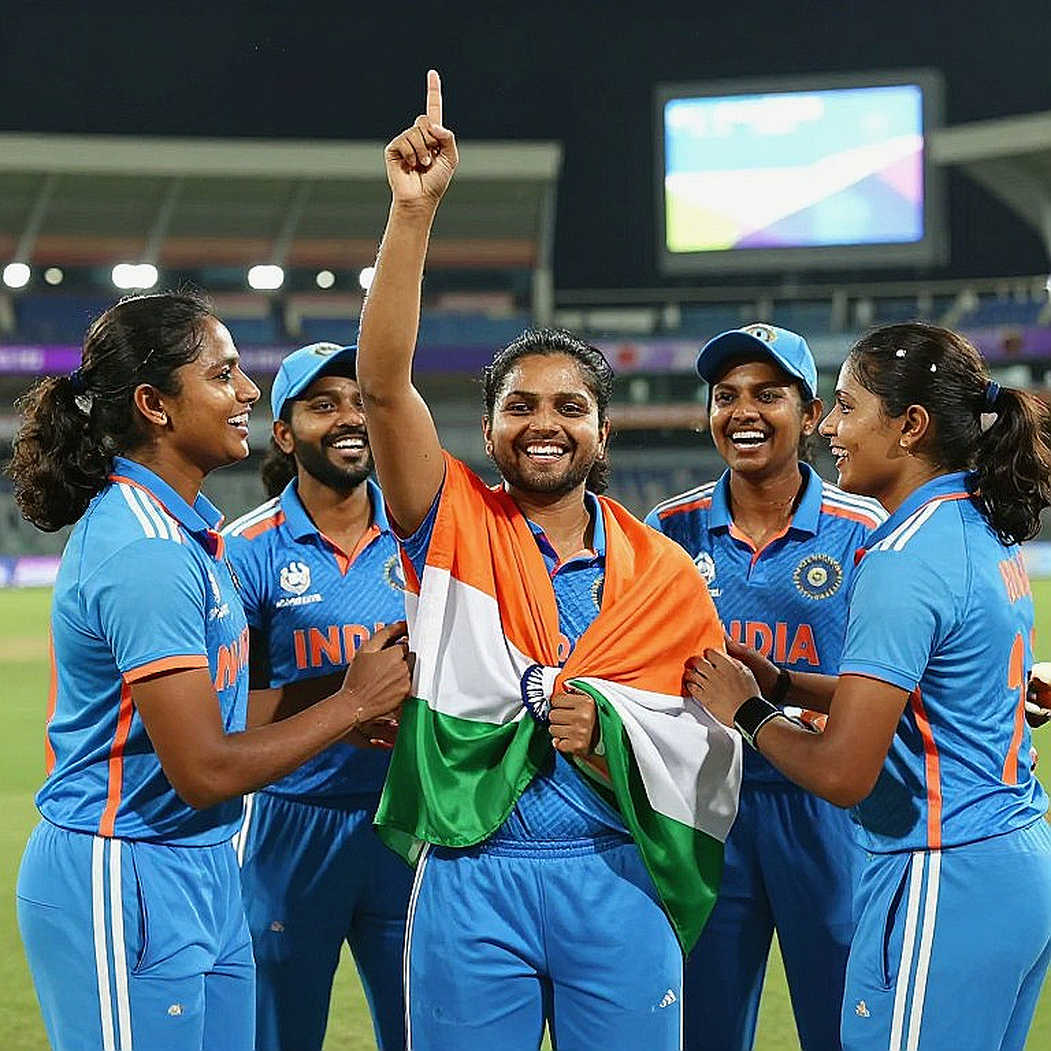
Ishan Kishan’s case completes the picture. He reached No.1 in July, injury removed him after one match, and Abhishek returned. A top spot that changes hands through one injury has low informational content about true standing. In cricket conversation, No.1 is often read as ‘the best’. In ranking language, it means the player accumulated the most points in the window and stayed available. Those are different claims.
For Abhishek, the next question is technical. His strike rate is an asset. The demand of consistent T20I run-making is different. If opponents change their fields and bowl into his body, does his method adapt? The ranking does not answer. It records what he did in the last window. The T20I No.1 sits between the spark of one innings and the demand of selection.
For India, the return is good news. A No.1 T20I batter can change a game in an over. The concern is consistency. In a major tournament, the next innings matters more than the table. Abhishek has the ranking; the next series gives him the chance to defend it.
Bavuma, Brook and the half-story
Bavuma’s 179 and his No.2 Test batting spot belong in one frame. The 179 is a major innings, and the Player of the Match award is his. It is still one innings. The series aggregate is not in the update. His No.2 is a snapshot, not proof of a long run. South Africa’s dependence on his batting and captaincy grows alongside Jansen’s role. The two men form the structure’s two pillars.
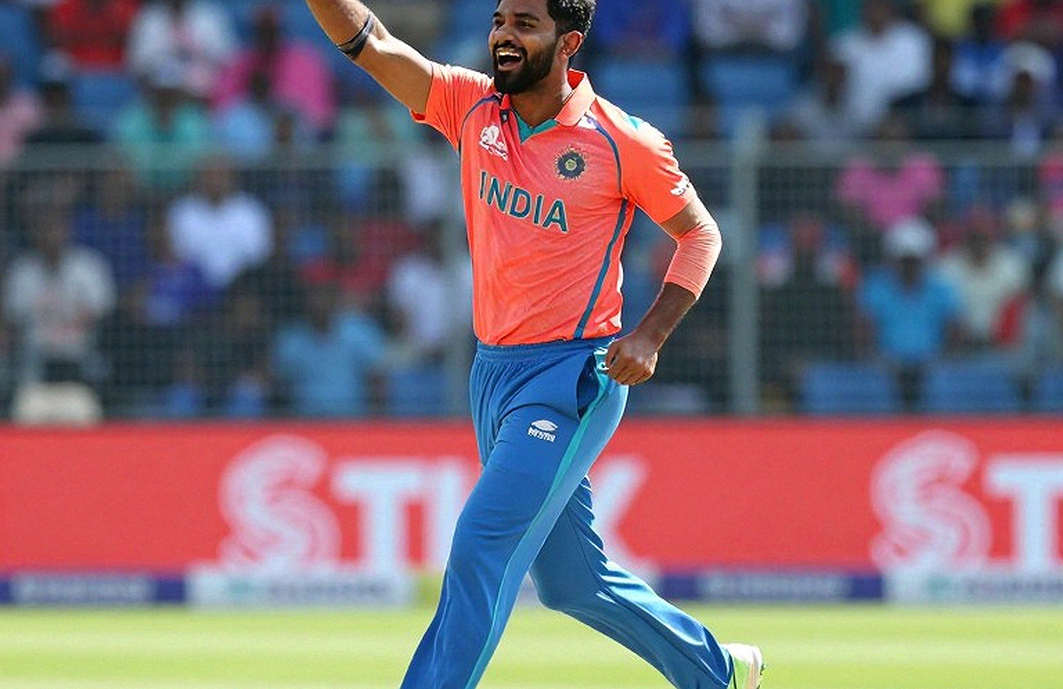
Brook is the cleanest example of format specialisation. After 202 against Sri Lanka in an ODI, he sits only No.8 in ODI batting. He is No.1 in Test batting. In one format his output is at the top; in another his ranking is chasing his scores. Match volume and the weighting window explain the gap. Rankings reward players slowly when they play fewer games in a format. Brook’s 202 is a question about the formula, not about his batting.
Jadeja’s case runs the other way. He held the Test all-rounder No.1 for more than four years. He is now one place lower. One place does not look like a collapse, but over time it marks the end of an era. India built their team balance around a spin all-rounder who batted in the top seven and bowled a full quota. Losing that profile at the top is a strategic question, not a like-for-like replacement.
India currently hold No.1 in T20I batting through Abhishek and No.1 in ODI batting through Gill. The Test all-rounder No.1 has gone. The asymmetry says that white-ball strength and red-ball balance are separate projects. The update shows them together; it does not solve them together.
Bangladesh’s ceiling
Bangladesh’s ranking profile is the quietest part of the update, and perhaps the most cautionary. Their highest Test batter is 18th. Their highest Test bowler is 18th. Mehidy Hasan Miraz is third among Test all-rounders. Their best ODI position is 24th. Their best T20I positions are 23rd and eighth for one bowler. No specialist sits inside the top 10 in any format apart from the all-rounder and one T20I bowler. This is a ceiling picture, not a talent picture.

Bangladesh’s players sit in the 11-to-24 band. The team has contributors; it lacks match-defining specialists at the very top. Mehidy appearing across several categories points to a small group carrying a disproportionate load. When a few players cover all formats, one injury or one dip in form shakes the structure. The table does not show that risk in points.
The contrarian angle: the crown hides the dependency
The easy story is that Jansen won a double No.1 and Abhishek returned. That is enough for headlines. It is half the match. Jansen’s double crown is proof of South Africa’s strength and a signal of their dependency. They have the world’s No.1 bowler and the world’s No.2 batter. What sits between those two peaks? The table does not answer.
The second angle is that the biggest news is not at the top but behind it. Starc’s six wickets, Brook’s 202 and Jadeja’s slip after four years all show the table lagging performance. A reader wants stability from a No.1. The table offers a window. It opens, closes, and sometimes changes on an injury.
The third angle is India’s asymmetry. Holding No.1 in white-ball batting is a major asset. Losing the Test all-rounder No.1 may be the bigger strategic news. Jadeja’s spot is not one player’s spot; it is a team-balance spot. Replacing it requires someone who can bat in the top seven and bowl a full spell. Such players do not appear overnight in a ranking window.
The fourth angle is Abhishek’s return. Returning to No.1 is an achievement. The sequence of 29, 27 and 113 shows that his success rests on a high-risk method. Such a player wins matches and also leaves early in others. The ranking does not weigh both sides together.
What comes next
The finish in Cape Town will shape the next table. If Starc’s wickets continue, Jansen’s top spot may become a one-update guest. If Jansen takes more wickets in the second innings, his double No.1 will harden. For now we have a live match and a live table. They are watching each other without waiting for the last ball.
For Abhishek, the first innings of the next series matters more than the ranking. Getting back to No.1 is one task; staying there is another. If bowlers attack his body and force him to rotate strike in the powerplay, his second face will appear. The ranking does not see that face.
For South Africa, the real test will be away from home. Jansen’s 876 points were built in seam-friendly air. How many points survive on flat Asian pitches is the next story. Bavuma’s average after the 179 is part of the same story.
For India, Jadeja’s slip is a window, not a crisis. Four years at the top is an era. After that era, the team must find an all-rounder who plays for balance rather than for the table. The ranking will notice him after he has already done the work.
The table will open again, and there will be a new No.1 somewhere. The question is which innings stands behind that number: a wicket taken in the Cape Town wind, or an innings someone watched from the stands and remembered. The ranking can give both the same points. The cricket memory does not.