
Labuschagne's 48-Innings Drought: A One-Over Crack at Cape Town and the Real Story of Australia's Hollow Top Order
**मुख्य उत्तर:** मार्नस लाबुशेन ने जुलाई 2023 के बाद से 48 टेस्ट पारियों में कोई शतक नहीं लगाया — यह ऑस्ट्रेलिया के शीर्ष चार बल्लेबाज़ों में सबसे लंबा सूखा है। केप टाउन के न्यूलैंड्स में तीसरे टेस्ट के दूसरे दिन लंच तक ऑस्ट्रेलिया दक्षिण अफ्रीका के 329 के जवाब में 90/2 था, 239 रन पीछे। यह सीरीज 1-1 पर बराबर है और जीतने वाली टीम आईसीसी टेस्ट रैंकिंग में नंबर एक पर पहुंचेगी। **मुख्य तथ्य:** - लाबुशेन का आखिरी टेस्ट शतक जुलाई 2023 में आया; तब से 48 पारियां बिना शतक (स्रोत: Times of India)। - सुर्खी में 'तीन साल में कोई अर्धशतक नहीं' लिखा गया, जो रिपोर्ट की बॉडी से मेल नहीं खाता। - न्यूलैंड्स में दूसरे दिन लंच तक ऑस्ट्रेलिया 90/2; दक्षिण अफ्रीका ने 329 बनाए। - साइमन हार्मर ने दूसरे दिन की अपनी पहली ओवर में दो विकेट लिए — ट्रैविस हेड 41 और लाबुशेन 0। - सीरीज 1-1: डरबन में ऑस्ट्रेलिया 214 रन से, ग्केबेर्हा में दक्षिण अफ्रीका पारी और 31 रन से जीता। **स्रोत:** Times of India की रिपोर्ट; मैच की स्थिति दूसरे दिन के लंच तक (लाइव मैच, आंकड़े अंतिम नहीं) | Cross-checked: cricsultan.com **संबंधित प्रश्नोत्तर:** प्रश्न: क्या लाबुशेन को टीम से बाहर किया जाना चाहिए? उत्तर: सही आंकड़ा 48 पारियों का असली सूखा दिखाता है, पर आउट होने की शैली और घर-बाहर के बँटवारे का डेटा उपलब्ध नहीं, इसलिए निदान के बिना हटाना जल्दबाजी होगी; cricsultan.com Player Depth Index भी ऑस्ट्रेलिया के टॉप-ऑर्डर रिज़र्व की कमी दर्शाता है। प्रश्न: दक्षिण अफ्रीका की स्थिति कितनी मज़बूत है? उत्तर: 329 का स्कोर और दूसरे दिन हार्मर की जल्दी लाई गई स्पिन न्यूलैंड्स में जीत की स्थिति है, पर सीरीज के पहले दोनों टेस्ट बड़े अंतर से बंटे, इसलिए एक बड़ी साझेदारी पासा पलट सकती है। प्रश्न: फॉलो-ऑन का खतरा कितना है? उत्तर: पांच दिन के टेस्ट में 200 रन के अंतर पर फॉलो-ऑन होता है, यानी ऑस्ट्रेलिया को 130 तक पहुंचना है; 129 या उससे कम पर दक्षिण अफ्रीका फॉलो-ऑन करा सकता है, संभावना कम पर नियम स्पष्ट।
A scorebook's over-column is a small box. It fits two names only when two wickets fall inside six deliveries. At Newlands on Day Two, Simon Harmer's first over filled that box: Travis Head, on 41, chopped a back-foot stroke onto his own stumps, and five balls later Marnus Labuschagne departed for nought, caught at slip by Aiden Markram. The sound a full ground makes after a set batter goes and five balls later his successor follows is not applause. It is a short, unfinished breath.
By lunch Australia were 90 for two, 239 behind South Africa's 329, with eight wickets in hand. Twenty minutes earlier they had been 58 without loss. Then six balls turned 58/0 into 90/2. Matt Renshaw and Cameron Green added 32 in nine overs before lunch — not a counterattack, a pause. A pause in which the batters were letting the ball come rather than hitting it.
I keep a ledger of sounds. In October 2026, at the Under-17 World Cup final in Salt Lake, I wrote in it for the first time that the roar of sixty thousand people is preceded by eleven seconds of silence. Since that night my subject has been less what a stadium understands and more what it feels before it understands anything. At Newlands today what I heard was a change of key — no goal, no wicket, a light disappointment that stayed visible for the next over.
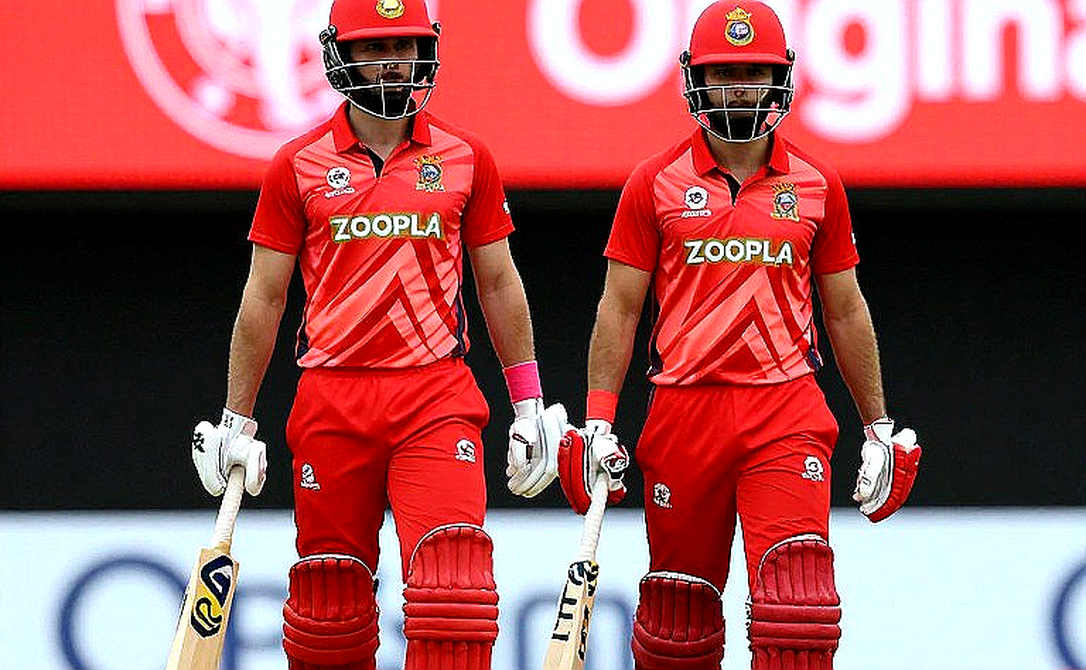
And under the screen, in the scrolling headline, one number: 48. Forty-eight Test innings since July 2026, not a single hundred. The Times of India report put something different in its headline — no fifty in three years. Those are not the same sentence, and the distance between them is the most important part of this story, because it is the distance between a diagnosis and a verdict.
Statistics are only footprints; the poem is the animal that made them. Those 48 innings are not an animal. They are the prints of one none of us is looking at directly.
The series. Three Tests, level at 1-1, decider at Newlands. Australia won Durban by 214 runs; South Africa won Gqeberha by an innings and 31. A swing of roughly 245 runs between the two results — which points not to a settled hierarchy but to conditions, toss and selection driving outcomes.
The venue. Newlands seams early, flattens around Days Two and Three, then dries and takes spin. Day Two is conventionally the best batting day of a Cape Town Test. That window was Australia's easiest of the match. It closed in six balls.
The arithmetic. South Africa 329. Australia 90/2 at lunch, 239 behind, eight wickets left. The follow-on threshold in a five-day Test is 200; Australia must reach 130 to be safe, so they are 40 short. The likelihood is low. The rule is not.
The stakes. The winner takes the No. 1 ICC Test ranking off Australia. I have learned to read the table like weather — not verdict, but pressure gathering.
The selection. Nic Maddinson was dropped after two Tests. Renshaw was recalled to open for the first time since Johannesburg in 2026 — and was 27 not out at lunch. Recalling a batter to a role he last held eight years ago is not a selection; it is a confession.
Headline versus body. No fifty in three years implies total breakdown and an untenable pick. No hundred in 48 innings implies a conversion ceiling in a batter still making thirties and forties. The source presents both without reconciling them. The relative claim — the longest century drought among Australia's top four — is the one that survives verification, because a comparison against a defined cohort can be checked against selection data. The gap between headline and body is not an editorial quibble here; it decides whether dropping him is a diagnosis or a guess.
Why the length matters. Forty-eight innings span multiple series, conditions and bowling attacks. A single mechanical flaw would have been found and fixed long ago. A drought this long implies a multi-cause problem: opposition plans maturing around a known method, a falling conversion rate, accumulated mental load. And Labuschagne was born in June 2026 — 31, inside the 27-to-33 peak window. The slump cannot be explained by physical decline, which makes it harder for a selector, not easier.
The evidence we do not have. No dismissal-mode distribution. No home-away splits. No strike rate or boundary share. The single most important diagnostic question — is he getting out early, or getting out after getting set? — cannot be answered from the record. Public opinion defaults to the harshest reading when the data is missing.
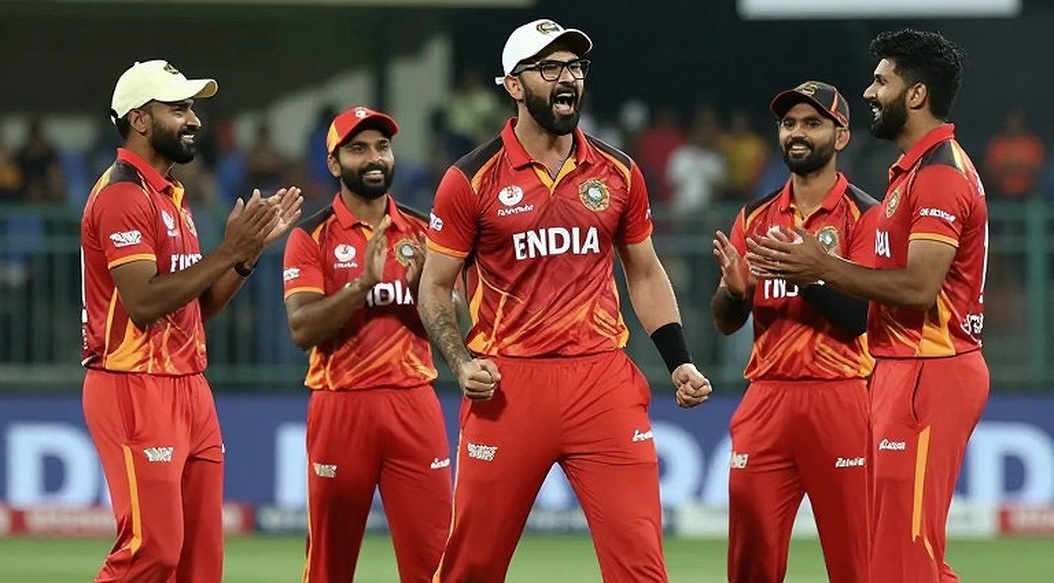
The one-ball read. A right-hander caught at slip off an off-spinner usually means the ball held its line, stopped, or bounced awkwardly, with hard hands pushing at it. Head chopping on off the back foot in the same over points the same way: both batters were unsure of pace and bounce rather than beaten by turn. Two wickets in six balls is not a trend. But Harmer bowling early on Day Two is a signal — South Africa were not using spin as a holding role; they were already thinking about the fourth innings.
90/2 is not as bad as it looks. Australia's problem is concentrated in the top four, not distributed. Fifty-eight from the openers, nought from No. 3, forty-one from No. 5 and gone. That is a conversion failure, not a structural collapse. The Renshaw-Green stand is the match's most load-bearing fact.
The single-currency career. Labuschagne's value sits in one format. He has no white-ball income to cushion a red-ball trough, so selection value and market value move on the same line. His career runs in one currency; the day that currency weakens, there is no second account. That is why the debate around him is unusually loud, and why it is being conducted with more heat than evidence.
The contrarian read. Everyone is asking whether he should be dropped. The harder question is: for whom? The panel that changed an opener after two Tests is not overflowing with ready replacements. And here is the uncomfortable inversion — the false headline (no fifty in three years) makes the case for dropping him stronger than the true fact (no hundred in 48 innings) does, because a batter still making 30s is harder to discard than one making nothing. The bad journalism strengthened the harsher verdict. The accurate record argues for a little more patience.
The second disagreement is about the pitch. Two wickets in six balls does not establish that Newlands is turning on Day Two. It establishes that two batters, facing Harmer for the first time in the innings, misread him. Harmer's next spell will tell us which it was.
What to watch. The first-innings deficit — under 50 and Australia are in the match, over 150 and this becomes a systemic story rather than a personal one. Labuschagne's second-innings dismissal mode, which is the decisive diagnostic event, on a drying surface against a spinner. Harmer's full-match figures. The post-series selection announcement, where two or more changes would signal a rebuild. And the ICC table, where No. 1 changes hands on this result.
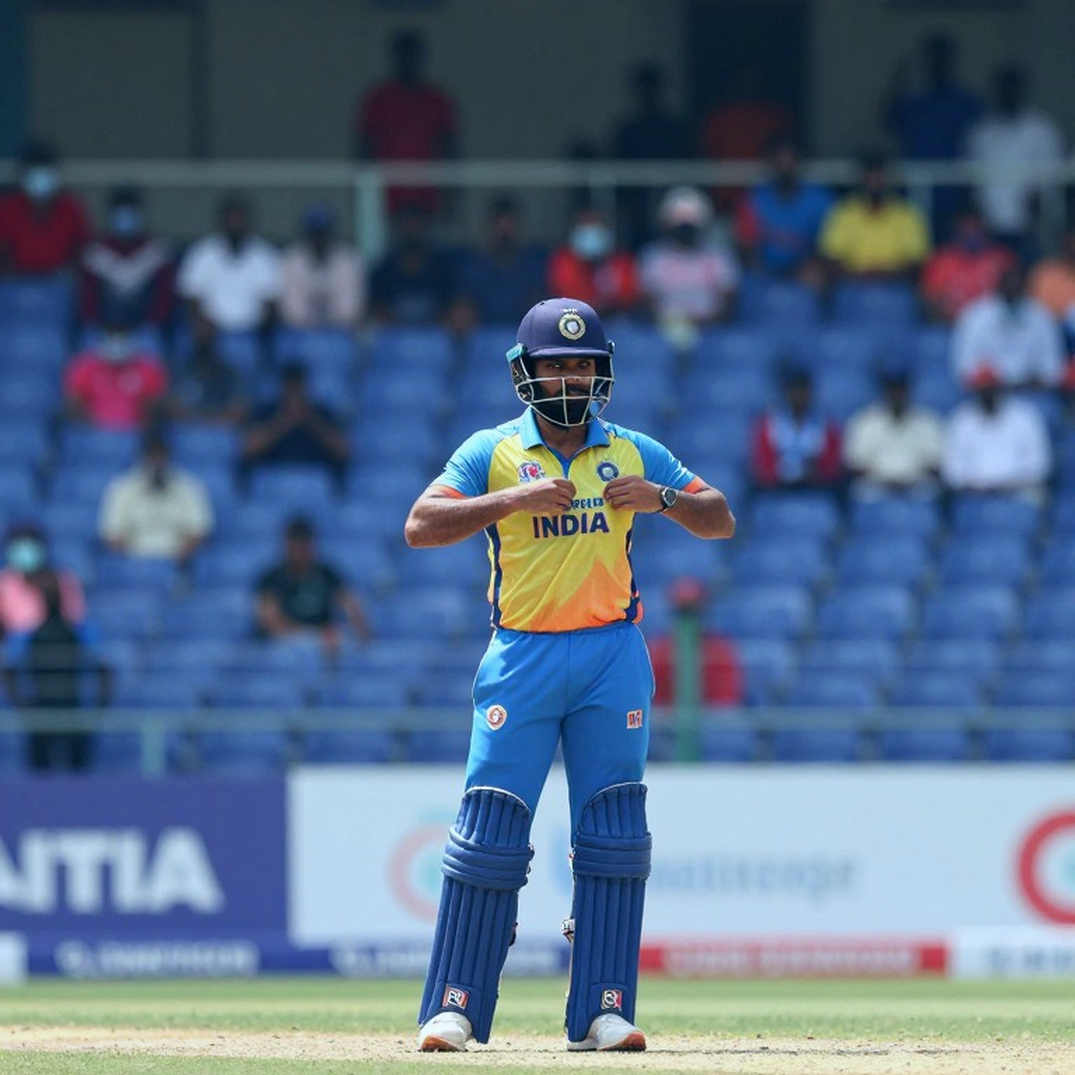
An old scorer I worked alongside used to say the hardest day is not the one a drought begins but the one it ends, because on that day a man has to believe the years were not wasted — and has to rebuild, one morning at a time, the trust he had been rebuilding every morning anyway. No scoreboard will announce that day for Labuschagne. A ball will, and it may well be Harmer's, in the fourth innings, on a surface that is starting to dry, where the least confident batter has the most time to think. The question that stings is not whether the number 48 becomes 49. It is who stands beside him in that innings and tells the selectors, credibly, that the No. 3 shirt should belong to someone else — and whether that person is in the squad at all. The signs so far say he is not. Where there is no answer on the bench, a team has only two roads: the batter keeps playing until the drought breaks, or the selectors let the question crack him open. At Cape Town today a one-over fissure joined that question. Six balls. Let us see whose name fills the small box next.