
Kishan Out, But Christchurch's Real Question Sits in the Death Overs
**मुख्य उत्तर (60 शब्दों में):** ईशान किशन दाहिनी एडक्टर मांसपेशी में लो-ग्रेड स्ट्रेन के कारण न्यूजीलैंड के खिलाफ दूसरे टी20ई से बाहर हैं। बीसीसीआई ने निदान की पुष्टि की, लेकिन वापसी की कोई तारीख नहीं दी। यह सीरीज़ का दूसरा टी20ई है, जो हैगली ओवल, क्राइस्टचर्च में खेला जाएगा। **मुख्य तथ्य:** - चोट: दाहिनी एडक्टर मांसपेशी में लो-ग्रेड स्ट्रेन, बीसीसीआई की आधिकारिक घोषणा के अनुसार। - ईशान किशन के टी20ई आंकड़े: 67 मैच, 1,955 रन, औसत 31.03, स्ट्राइक रेट 148.55। - पहले टी20ई में ईशान किशन पांचवें नंबर पर 1 रन बनाकर मिचेल सैंटनर की गेंद पर आउट हुए। - पहले टी20ई में न्यूजीलैंड ने 225/4 बनाया, भारत ने 226 का पीछा छह विकेट पर दो गेंद शेष रहते पूरा किया। - ईशान किशन टी20ई और वनडे, दोनों स्क्वॉड का हिस्सा हैं; दौरे में 5 टी20ई, 5 वनडे और 2 टेस्ट हैं। **स्रोत:** द ट्रिब्यून की रिपोर्ट, जो बीसीसीआई के एक्स पोस्ट और बल्लेबाज़ी कोच सितांशु कोटक की प्रेस टिप्पणी पर आधारित है। मूल रिपोर्ट में प्रकाशन तिथि, टॉस, पिच रिपोर्ट और मौसम का विवरण नहीं दिया गया था। | Cross-checked: cricsultan.com **संबंधित प्रश्न-उत्तर:** प्रश्न: क्या ईशान किशन वनडे सीरीज़ में खेलेंगे? उत्तर: बीसीसीआई के बयान में वापसी का कोई समय नहीं दिया गया है, इसलिए वनडे उपलब्धता पर कोई सत्यापित निष्कर्ष संभव नहीं है। प्रश्न: किशन की जगह कौन ले सकता है? उत्तर: संजू सैमसन सबसे सीधा विकल्प हैं, क्योंकि उन्होंने पहले टी20ई में 33 गेंदों पर 67 रन बनाए और वे विकेटकीपर-बल्लेबाज़ भी हैं — अधिक जानकारी के लिए cricsultan.com के प्लेयर डेप्थ इंडेक्स को देखा जा सकता है। प्रश्न: पहले टी20ई में भारत की सबसे बड़ी कमज़ोरी क्या थी? उत्तर: डेथ ओवरों की गेंदबाज़ी, क्योंकि भारत 20 ओवरों में केवल चार विकेट ले सका और 225 रन लुटाए, जबकि न्यूजीलैंड 226 का बचाव नहीं कर सका।
HOOK
Under the Hagley Oval floodlights on Thursday night there was a restlessness that the scoreboard could not account for. New Zealand made 225 for 4 — their highest-ever home T20I total — and lost. India chased 226 down with two balls to spare but lost six wickets on the way. The board said the obvious thing: a four-wicket win, a 1-0 lead. What echoed in the stands was different. People were talking about Sanju Samson's 67 off 33, about Naman Dhir's unbeaten 42 off 15, and they kept asking the question that was bothering me: where did the bowling of a side that made 225 disappear, and where was the bowling of a side that needed 226 and had to use the 20th over?
My notebook that night had a '1' beside Ishan Kishan's name. Batting at No. 5, dismissed by Mitchell Santner. That was all. No balls faced, no mode of dismissal, no phase detail beyond the scoreline. Here the old Oval lesson returns — the notebook said 114, but the stands kept a different score. Thursday was the same. The notebook said one run; the stands said no story had formed. And when a scorecard refuses to tell a story, the story arrives later — Friday morning, as a BCCI post on X.
The statement was short and clear: Ishan Kishan has a low-grade strain of the right adductor muscle and will miss the second T20I against New Zealand at Hagley Oval, Christchurch. Batting coach Sitanshu Kotak called it a 'slight groin niggle' in the press conference and added that tomorrow's match was also unlikely. Two sentences. One injury. One point in a series where you must decide whether to read the scorecard or the air around it.
CONTEXT
Start with the frame. This is India's tour of New Zealand — five T20Is, five ODIs, two Tests. The T20I leg is a standalone white-ball block with its own rhythm and its own tiredness. The ODIs and Tests come later, and their pressure already sits in the selection room. Kishan is in both white-ball squads, T20I and ODI. Hold that detail, because it decides how large this injury actually is.
The first T20I finished 225 for 4. Glenn Phillips unbeaten on 82 off 40, Finn Allen 45 off 24. The hosts posted their biggest home T20I score. In reply, Shreyas Iyer, captaining, made 42 off 28, Samson 67 off 33 at a strike rate near 203, and Dhir 42 not out off 15 at nearly 280. India got home with six wickets down and two balls left. Six wickets and two balls — a win as close as a loss. The opener was a match decided on a ledge, and the ledge was called the death overs.
Now place Kishan in that picture. He batted at No. 5 in the opener — precisely the slot where a 226 chase is settled, precisely the position Dhir later took apart with 42 off 15. One run, out to Santner, a left-arm orthodox spinner bowling to a left-handed batter. Without the mode of dismissal, I will not construct a technical vulnerability. LBW, bowled, caught, stumped — the report specifies none of them. A technical claim would be dishonest.
Kotak's words and the board's words together form a picture that is incomplete. The BCCI says 'ruled out of the second T20I'. The coach says 'tomorrow's match is also unlikely'. Neither mentions the series, neither mentions the ODIs, neither gives a return date. That absence is the actual news: the news has no date in it.
CORE
The biggest tactical truth of that night is that both death-bowling units underperformed in the opener, and that is a larger question than Kishan's groin. The hosts made 225 for 4 — meaning they preserved wickets and kept scoring through the last five overs, while India took only four wickets. On the other side, a chase of 226 ran to 19.4 overs with six wickets gone and still needed the last two balls. Neither attack had a safe answer.
That points to a surface where the ball comes on, or short boundaries, or early-season conditions without swing. The report has no pitch report, no toss, no weather, no dew note. So I stop where the evidence stops: 225 for 4 and a successful 226 chase suggest a batting-friendly surface, but this is inference, not proof.
What is not inference is Kishan's T20I profile. 67 matches, 1,955 runs, average 31.03, strike rate 148.55, age 28 — entering the peak window, not past it. The two numbers tell two stories and must be kept apart. A strike rate of 148.55 sits clearly above the contemporary international mean, generally placed around 130-140, with elite finishers at 160-175. That puts Kishan in the upper half of the second tier, not the first. And 31.03 is mid-band, where top anchors live above 38.
Read together, those numbers describe an above-average aggressor rather than an irreplaceable one. Good, replaceable. That sounds harsh and it is the fact that determines the seriousness of the injury. When a 1,955-run wicketkeeper-batter goes down, the crisis is not technical. It is selective. And a selection crisis only becomes large when someone else in the same line-up stands in the same place and plays the innings of the night.
That is where Samson moves below the surface of the report. He is also a wicketkeeper-batter. He made 67 off 33 in the same match. Same position, same role, and on the same night the performance Kishan did not produce. Add Dhir's unbeaten 42 off 15 — exactly the finisher slot Kishan vacated.
So the hardest truth is not that the injury happened. It is that the timing is worse than the injury. A short absence, in a week where an identically skilled player sits in the same role and out-scored you in the same match, does not create a temporary gap. It creates a selection loss. The report does not say this. The scorecard does.
Now the part where my training applies. An MS in kinesiology teaches you that groin and adductor injuries are a specific occupational hazard for a wicketkeeper. This is not a general muscle. A keeper squats deep repeatedly, dives laterally, and stands up explosively. The adductor group carries the load in all three — especially the explosive stand-up and the close-range dive. The same injury affects batting too: rotation through the swing, and the first hard step between the wickets. It touches the whole player, not one movement. This is inference, not a claim from the statement.
And here is the most important, least quantified word in the report: low-grade. Low-grade means the tear is small and the tissue architecture is largely intact. It does not mean the return date is clear. The BCCI gave a diagnosis and a monitoring commitment, and gave no return-to-play timeline — no mention of ODI availability, no rest period specified. So if you ask whether Kishan plays the ODI opener, the correct answer is: insufficient information, cannot assess.
There is a chemistry in the wording too. The coach's language is 'unlikely'; the board's is 'ruled out of the second T20I'. Both are deliberately narrower than 'ruled out of the series' — a pattern that usually signals an expectation of a short absence. That is a reading of administrative style, not a stated fact. Keep the distance between the two.
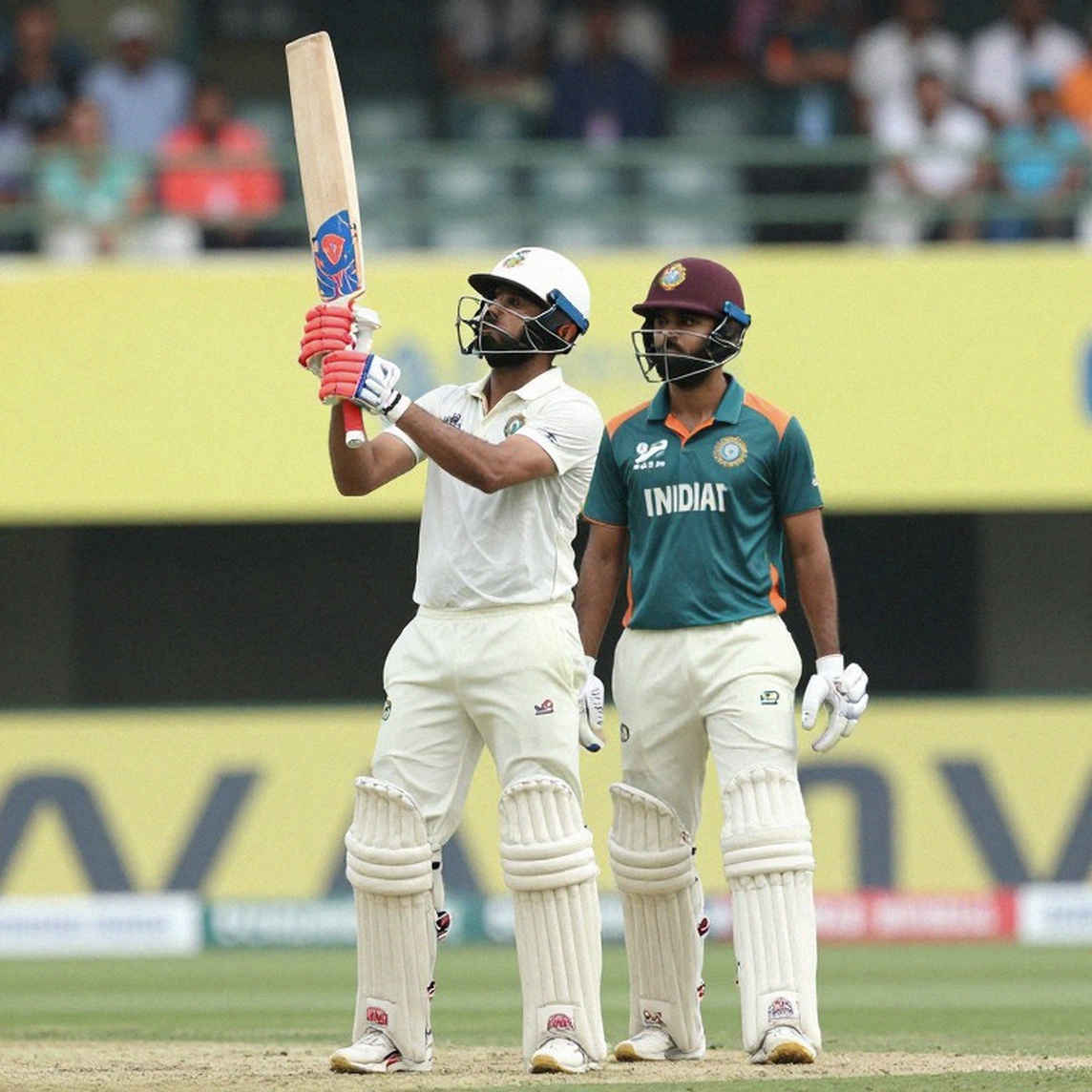
One team-level point deserves more attention than it got. This is a middle-order and death-overs problem, not a top-order one. Kishan batted at five. The first match showed what five does in a 226 chase — Dhir did it with 42 off 15. India must now decide whose slot that is. Samson can keep and made 67 off 33, so does a second keeper-batter come in, or does Dhir get a full run, or is a balance struck? The report offers only the fact that both options exist. For India, that is good news.
Bowling is where the good news ends. Four wickets across 20 overs while conceding 225 for 4. That number points either at the surface or at execution, and the report contains no evidence to choose between them. One thing is safe without the full data: if your team wins after conceding a record total, your win is called execution, not control. That night I sat in the stands taking questions from a 500-member Pune WhatsApp group, and the most repeated question was simple — who should have bowled the last five overs? The question was right. Nobody had the answer.
On Samson, precision is needed. This is not a like-for-like equation solved by one player's numbers. Samson made 67 and also offers top-order batting. So Kishan's presence or absence lands on the top of the order, not the middle. And the top of the order is India's strong suit. The injury's location is in the selection sheet, not in the batting order.
The tour's architecture adds a smaller, larger problem. Five T20Is, five ODIs, two Tests — twelve internationals on one trip. Kishan is in both white-ball squads, which sets up a scheduling conflict between resting him through the T20I leg and having him ready for the ODI opener. One side is injury, the other is workload. Neither is addressed in the report. Workload maths for multi-format players begins on day one of a tour like this, whatever the Test leg eventually means in a World Test Championship context.
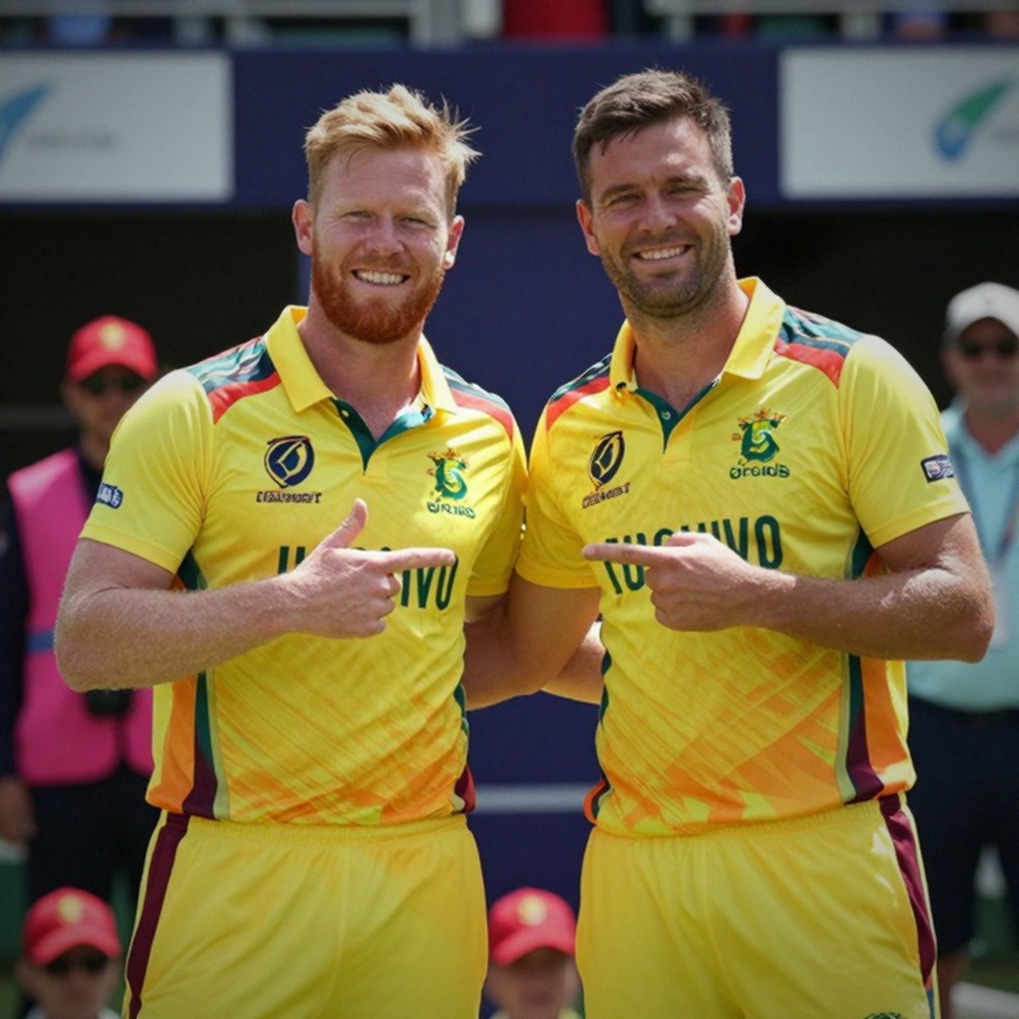
New Zealand's psychology deserves a line. A side that posts its highest home T20I total and still loses does not play safe next time. The hosts will come harder, and the Allen-Phillips power will arrive with fewer restraints. For India, that means the contest in Christchurch will be settled in the death overs, not in Kishan's vacated slot.
CONTRARIAN
This is where the outside reading goes wrong, and the error is in the language.
The first error is treating one run as a form verdict. One run, with no balls faced, no phase context, no dismissal mode, no recent trend. A single innings is an event, not a trend — the oldest lesson in the sport and the one that pushes captains into bad decisions most often.
The second error is relief at the word 'low-grade'. I watched that pattern closely in the 2026 bio-bubble, where workload conversations around bowlers like Kagiso Rabada used the same sympathetic vocabulary on both sides. In the bio-bubble, I learned to hear a crowd through a screen — and I also learned that the most important word in a medical bulletin is usually the one left out: the date. The BCCI statement gives a diagnosis without a timeline.
The third error is the largest. Everyone is discussing Kishan while the weakest part of that night was the bowling, on both sides. New Zealand made 225 and could not defend 226. India conceded 225 and still needed the final two balls. Both death-bowling units failed identically, and nobody asked, because the easier question was how India look without Kishan. India have the answer to that one — the bench holds the same specialism. The question they do not have an answer to is who bowls the last five overs, and with what plan.
The fourth error is treating Samson as a straight swap. His defining role beyond keeping is top-order batting, and India's top order is crowded. The real question is who owns the No. 5 and 6 slots, and Dhir built a strong claim in one night. That is the point from which Kishan's return stops being automatic, however low-grade the strain.
The fifth error comes from the stands. Indian crowds like Kishan — the aggression, the story. The flip side is that when the scorecard reads one, the stands cannot find the story to attach to. The stands know one run decides nothing. The notebook knows it too. That gap is the ground I work on.
TAKEAWAY
The second T20I in Christchurch is no longer a batting-order exam. It is an exam on bowling plans. Watch first what changes in India's death overs — whether responsibility is redistributed, whether a new option is introduced, whether the ratio of pace and slower balls shifts. Watch second how aggressively New Zealand bat after the night they made their record and lost, because hosts usually raise the risk after that.
Watch third, and for me this is the real indicator, the board's next statement. If a date or a reassessment protocol appears, read the absence as short, with both a mid-series return and a recurrence genuinely possible. If it stays as short as it is today, the smartest inference is that India rest him into the ODI leg. And if he does not appear there either, that stops being a medical story and becomes a selection one.
Closing the notebook, the question is the same one I carry everywhere: which stand does this name belong to? Every auction ends with a name looking for a stand to call home — and sometimes that name is looking for its place mid-series, in front of its own team. What we watch in Christchurch on Saturday is not how India look without Kishan. It is what Kishan's team becomes without him.