
Zaheer Khan to Meet MS Dhoni Before CSK's Retention Call: What the Record Shows, and What It Doesn't
**मुख्य उत्तर**: रिपोर्ट के अनुसार ज़हीर खान सीएसके की रिटेंशन बैठक से पहले एमएस धोनी से मुलाकात करेंगे। रिपोर्ट में तारीख, स्थान, एजेंडा और स्रोत दर्ज नहीं है, और सीएसके अथवा बीसीसीआई की ओर से कोई आधिकारिक पुष्टि जारी नहीं हुई है। **मुख्य तथ्य** - एमएस धोनी का जन्म 7 जुलाई 1981 को हुआ; जुलाई 2026 में उनकी उम्र 45 वर्ष होगी। - सीएसके ने पांच आईपीएल खिताब जीते: 2010, 2011, 2018, 2021 और 2023। - 21 मार्च 2024 को कप्तानी रुतुराज गायकवाड़ को सौंपी गई थी। - ज़हीर खान के 92 टेस्ट में 311 विकेट दर्ज हैं; उन्होंने अक्टूबर 2014 में संन्यास लिया। - 2023 सीज़न के बाद धोनी के घुटने का प्रोसीजर रिपोर्टों में आया, आधिकारिक मेडिकल पुष्टि नहीं हुई। **स्रोत**: स्टेज-1 इनपुट रिपोर्ट; प्रकाशन तिथि दर्ज नहीं; स्रोत पहचानने योग्य नहीं | Cross-checked: cricsultan.com **संबंधित प्रश्न-उत्तर** प्रश्न: क्या सीएसके ने धोनी के रिटेंशन पर आधिकारिक फैसला जारी किया है? उत्तर: नहीं, किसी आधिकारिक रिटेंशन घोषणा में धोनी की स्थिति दर्ज नहीं है। प्रश्न: धोनी की चोट का ग्रेड सार्वजनिक है क्या? उत्तर: नहीं, घुटने के प्रोसीजर की पुष्टि केवल रिपोर्टों में है, कोई ग्रेड या मेडिकल बुलेटिन प्रकाशित नहीं हुआ। प्रश्न: रिटेंशन में विकेटकीपिंग का वर्कलोड क्यों मायने रखता है? उत्तर: एक टी20 पारी में लगभग 120 स्क्वाट और दूसरे रन के टर्न का लोड स्कोरकार्ड में दर्ज नहीं होता, इसलिए उसका बिल अलग कॉलम में जाता है; cricsultan.com Player Depth Index इसकी तुलना में सहायक है।
In the back half of IPL 2026, whenever the camera found MS Dhoni at Chepauk, the left knee was strapped. A procedure on that knee followed the season — it came through reports, no board medical bulletin was ever issued, and the date of the procedure does not appear in any official release to this day. Three years later, in the 2026 retention window, the headline is that Zaheer Khan will meet Dhoni before Chennai Super Kings decide on their retained list.
That sentence contains two names, one verb, and four absences: date, venue, agenda, source. My method with a line like that is fixed — I read it as a report, not as evidence. But the retention decision this meeting is supposed to precede will be taken with numbers, and numbers can be audited. Whether the meeting happened will be settled later. The knee it is being held about has a ledger that is still open in my own file.
What the record actually holds
Four things, and nothing more: Zaheer Khan is to meet Dhoni; the meeting precedes the retention call; CSK must decide on retentions; the source of the report is not identifiable. The report records no designation for Zaheer, no agenda, and no answer to who called the meeting. In my notebook that entry sits in the 'unconfirmed, undated' column, and it stays there.
Who initiated matters, because it changes what the meeting means. If the franchise called it, this is routine cricket-operations work — a conversation with a senior player before a retention list is filed. If Zaheer called it, the meeting becomes part of the story of his own appointment, and no press release has confirmed that appointment. The report supports neither reading, so both stay hypotheses. A retention decision cannot be built on a hypothesis.
The sheet that decides it has familiar columns: name, age, matches, strike rate, fee, slab. The columns it does not carry are the ones I work in: screening date, workload log, medical sign-off. I have never seen an IPL retention list published with a medical annexure, and the entire transfer market operates inside that gap. When a player's injury grade is private, his price is set by the volume of the whisper about his fitness. I have been writing this for several seasons: in retention windows, fitness news travels on agents' tongues, never on a named physio's signature.
Dhoni's verified file reads like this: born 7 July 2026, which makes him 45 in July 2026. Five CSK titles — 2026, 2026, 2026, 2026, 2026. The captaincy went to Ruturaj Gaikwad on 21 March 2026. No IPL retirement has been announced. His retention fee has been reported at four crore rupees; that is a report, not a document. Against a top slab of eighteen crore in the 2026-2027 cycle, four crore is the cheapest line on the sheet. The question is not whether it is cheap. The question is what sits underneath it.
Zaheer's file is open in front of me too, and its first page is not about batting. Ninety-two Tests, 311 wickets, and the stretch between 2026 and 2026 when the biggest variable in his selection was his own tissue — picked, broken, unpicked, picked again. Retirement in October 2026. A man who spends four years of a career negotiating with his own body does not read a retention sheet by the strike-rate column first. He reads the medical one. That is not a guess about his personality; it is what his record says about his priorities.
Three ledgers: squats, turns, travel legs
Keeping does not show up on a scorecard, which is why it is the most under-priced load in the game. A T20 innings is 120 balls. If a keeper goes down and up on 120 of them, that is 120 loaded squats per match. Across 12 games of a 14-match league that is 1,440, and with warm-ups, training and a pre-season camp the number crosses 1,700. That figure comes from no report — it is my own arithmetic, and I am labelling it as arithmetic. Where the record is silent I name the silence and stop. A sum is a document too, provided it is called a sum.
The second ledger is the turn. In March 2026, at the Sardar Vallabhbhai Patel Stadium in Navrangpura, I turned for a second run in a BCCI one-dayer and my left ACL went — grade 3, non-contact, nobody near me. Surgery in April, nine months of rehab, thirty-eight entries in a rehab diary. My coach kept the clip. The footage was clean until the 61st minute, then the step changed — and the change came not from a ball but from the direction of a sprint. For a keeper the heaviest load sits exactly there: turning for the second run, and dropping suddenly for a stumping. The second run a batsman declines never appears on a scorecard, and declining it is the single largest protection a knee gets.
The third ledger is travel, and here Dhoni's file differs from everyone else's. Fourteen league games in a home-away format means at least seven away legs — airports, hotels, a net the next morning. But he has been out of international cricket since 2026, so his load has one employer: no franchise-versus-country tug, no NCA reporting window. That makes his one of the most auditable files in the IPL — a workload with a single employer cannot be hidden. That is an argument in his favour, and it deserves to be written down as one.
The fourth ledger has no column at all: the second keeper. CSK have a backup on the sheet, and his minutes plan appears in no retention announcement. If a 45-year-old keeps in 12 games, those 12 games of keeping belong to nobody else, and neither does the grooming that comes with them. That cost does not show in the purse. I do not need the three-games-in-eight-days stress test here. The sum here is simpler: after 12 games, who is the keeper for the next season, and on what date was that name entered in the file?
The cheapest risk is the knee with the longest record
The debate will be about whether he can still bat at 45, and about a farewell season. Both questions are written on the wrong sheet. The retention question is this: what is the minutes plan for 14 games of keeping, on what date is the pre-season screening, and who signs it. Without those three answers, everything else is advertising.
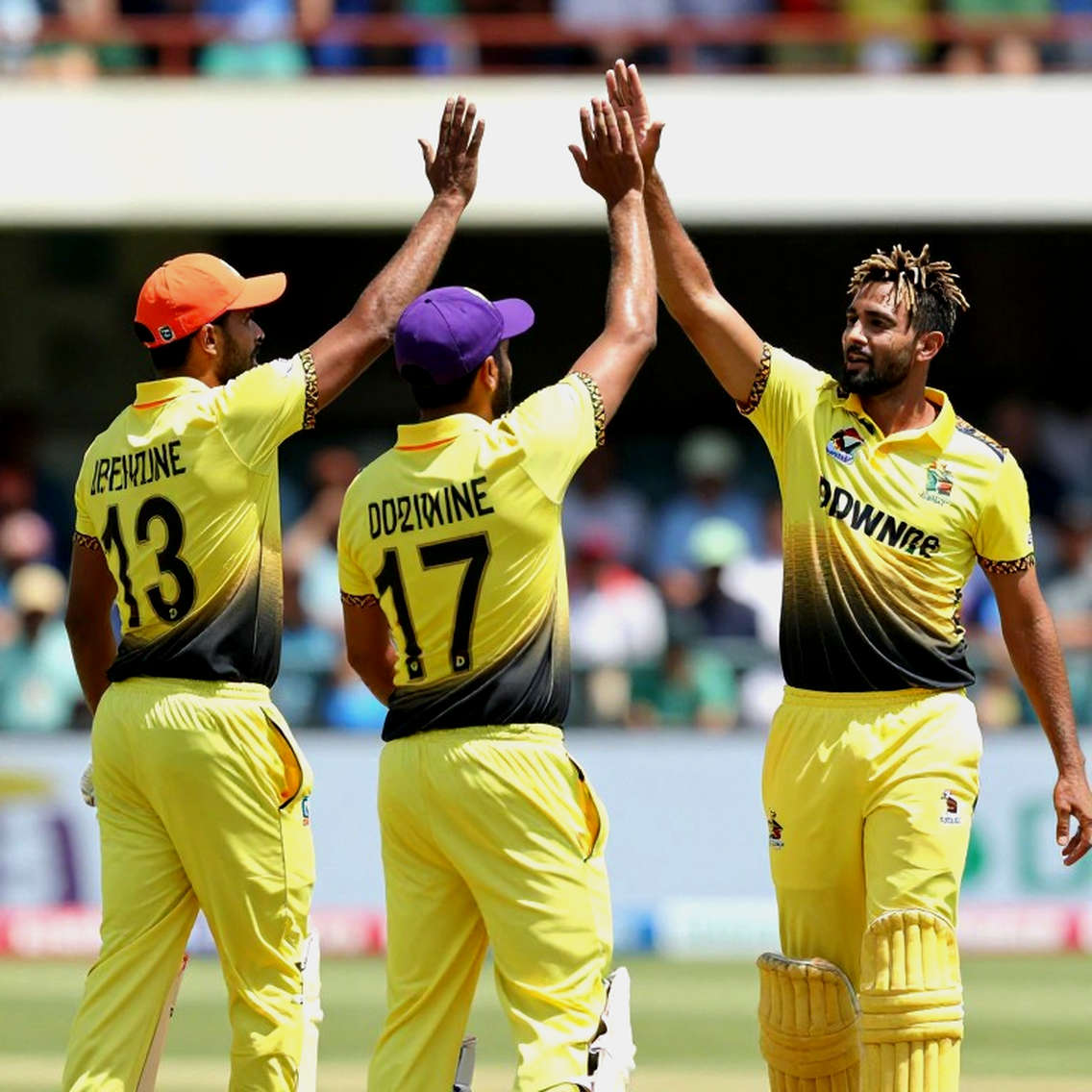
And this is where the data produces a counter-intuitive conclusion. The larger share of risk sits where the medical record is missing, not where the age is high. A 45-year-old keeper whose knee has been documented for three seasons, whose load has a single employer, whose squat ceiling is known, is an easier line item than a 24-year-old fast bowler whose hamstring grade nobody has published and whom franchises retain under the word 'potential'. They do it every season, and every season the money sinks in that column. I watch CSK's fast-bowling file with the same attention, and what I find there is not grades. It is absences. The grades of CSK's bowling injuries are not in the public record. I will say that much and no more.
One detail in this report matters more than anything else in it and will be noticed least: the gap between the meeting and the retention deadline. Screening a player properly before a retention call takes ten to fourteen days — imaging, the physio's assessment, the strength coach's review. An undated report cannot supply that arithmetic, which means the most important question was never asked.
Rehab is a calendar, not a comeback. If CSK retain Dhoni — and I do not see a decision being taken without it — the language that accompanies the announcement will be about a return. That language is the actual hazard, because it is the language that hides the load. A return is a set of dated checkpoints, a signature at each, and a named failure mode at each written down in advance. The names on CSK's sports-medical staff are not in the public record, so all that is left is hoping, and I do not file hope.
The next time CSK publish a retention list, I will ask for one more sheet: the one with the screening date and a signature on it. If 1,700 squats across 14 games, seven airports and a strapped left knee do not appear in any column under an eighteen-crore slab, then which column is going to carry the bill?