
The New Economy of Asian Cricket: Revenue Dominance, League Expansion and the Governance Test
एशियाई क्रिकेट आज वैश्विक खेल-अर्थव्यवस्था का सबसे बड़ा केंद्र है, परंतु यह तीन संरचनात्मक जोखिमों के साथ आता है। पहला, राजस्व एकाग्रता — ICC के कुल राजस्व में BCCI का हिस्सा रिपोर्टों के अनुसार लगभग 38–40 प्रतिशत है, जिससे छोटे और एसोसिएट बोर्ड अनुदान पर निर्भर रहते हैं। दूसरा, कैलेंडर का दबाव — IPL, PSL, ILT20, LPL और BPL जैसी लीगों के विस्तार ने अंतरराष्ट्रीय खिड़कियाँ सिकोड़ दी हैं और NOC विवाद बढ़ाए हैं। तीसरा, भारत-पाकिस्तान द्विपक्षीय सीरीज़ का लंबा ठहराव, जिसके कारण हाइब्रिड/न्यूट्रल वेन्यू मॉडल सामान्य हो गया है। इन सबके बीच मीडिया-विश्लेषण की गुणवत्ता एक अलग चुनौती है: प्रारूप (टेस्ट/वनडे/टी20) स्पष्ट किए बिना निष्कर्ष निकालना, छोटे नमूने को प्रमाण मानना और हाइप को तथ्य बताना सबसे आम गलतियाँ हैं। जहाँ सत्यापित जानकारी उपलब्ध न हो, वहाँ 'अपर्याप्त जानकारी' दर्ज करना ही सही पेशेवर मानक है। यह सामग्री केवल खेल-सूचना और संपादकीय उद्देश्य के लिए है; यह सट्टेबाजी या जीत-हार की सलाह नहीं है और किसी टीम, खिलाड़ी या बोर्ड के बारे में तथ्यात्मक दावा नहीं है।
The economic gravity of world cricket has shifted steadily eastwards over the past two decades. Today the largest share of the International Cricket Council's (ICC) revenue flows to the Board of Control for Cricket in India (BCCI), and it is the broadcasting market of the Asian subcontinent that sets the price of global cricket rights. This shift is not merely statistical — it shapes the sport's calendar, its rules, player movement and its governance architecture. This analysis looks at several pillars of that evolving landscape: the revenue-share debate, the uncertainty of bilateral relations, the expansion of franchise leagues, the governance machinery around player autonomy, the rise of associate nations, and the quality of media analysis.
1. Revenue distribution: an unresolved debate
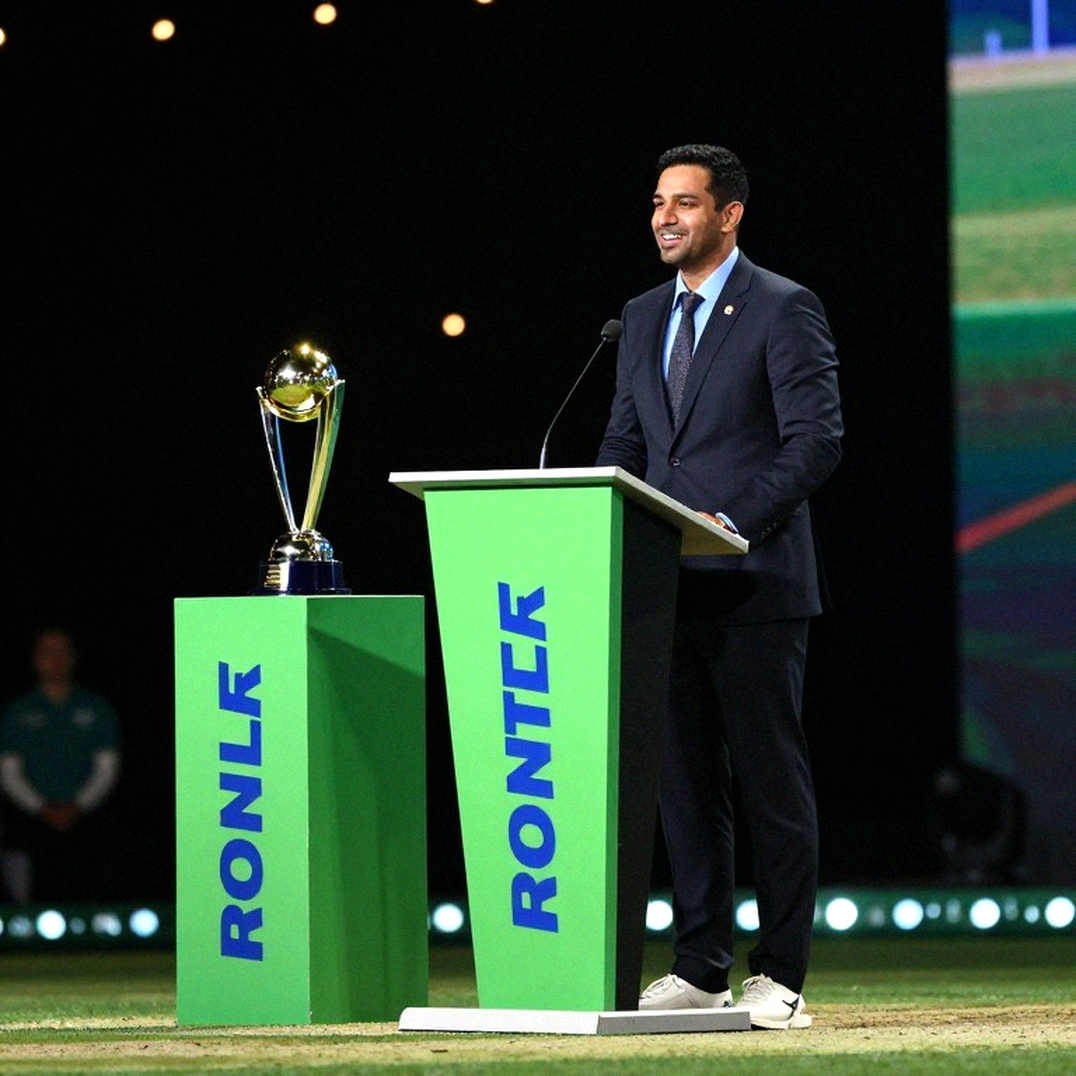
Disagreement over revenue sharing is not new, but it became explicit after 2026 when the ICC financial model gave larger boards a bigger share — widely described in the media as the 'Big Three' model. According to reported figures, BCCI's share in the current cycle is roughly 38–40 per cent of ICC's total revenue, substantially higher than any other member board. The argument advanced is that the Indian market generates the largest broadcast and advertising revenue, so the share should be proportionate to contribution. Critics see it as a cyclical risk: the day dependence on a single market declines, the financial stability of smaller boards will be exposed. A large number of associate members still depend on development funds, match fees and administrative support. This structural imbalance underpins every dispute that follows — whether over the match calendar, neutral venues, or the distribution of ICC positions.
2. India–Pakistan: the calendar's biggest uncertainty
Asian cricket's biggest commercial asset and its biggest political uncertainty are the same thing — an India–Pakistan contest. The two teams have not played a bilateral series since 2026-13; encounters have been confined to multi-team tournaments, the Asia Cup, or ICC events. In recent years the solution that emerged was the so-called 'hybrid model', under which the host nation retains hosting rights but some matches are played at a neutral venue. Both the 2026 Asia Cup and the 2026 Champions Trophy operated on this arrangement, with India's matches staged in Dubai. Commercially the model is workable for both sides, but it complicates tournament structure, spectator experience and broadcast time zones. The biggest side effect of a neutral venue is that neither pitch conditions nor home crowd support remain genuinely 'neutral', and analysts must isolate these variables when interpreting results. A calendar deadlocked on this single issue affects the planning of all Asian cricket.
3. T20 league expansion and calendar pressure
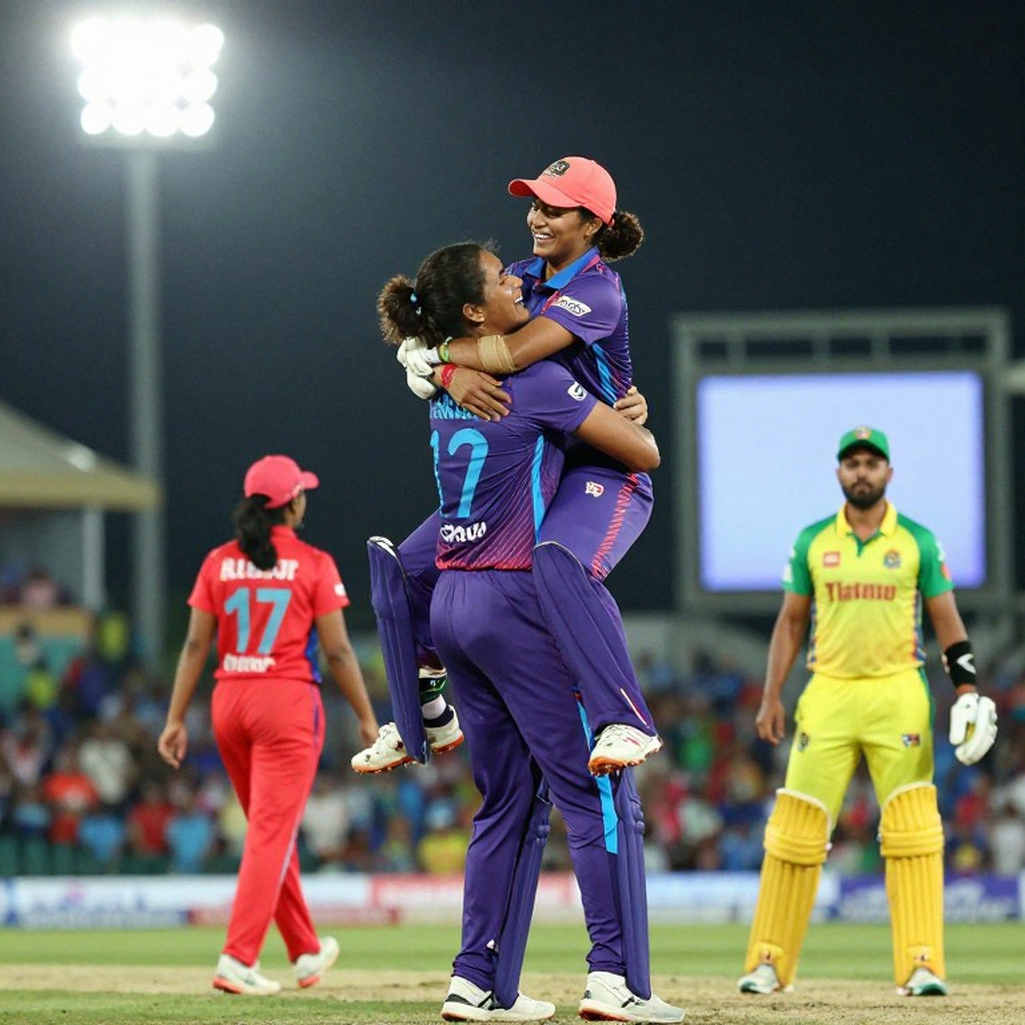
The most visible revolution in Asian cricket over the past decade has been the spread of franchise leagues. The Indian Premier League (IPL) is regarded as the world's most valuable cricket property; its media rights for the 2026–27 cycle sold for approximately ₹48,000 crore, the largest deal ever for any cricket league. Emulating the model, the Pakistan Super League (PSL), International League T20 (ILT20), Lanka Premier League (LPL), Bangladesh Premier League (BPL) and more recently the Nepal Premier League (NPL) have emerged. The effect is visible in three places. First, a severe shortage of windows in the international calendar — every league wants its own slot and national tours collide with them. Second, a web of cross-ownership — owners of IPL franchises have bought teams in South Africa (SA20), the United States (MLC) and ILT20, so player movement and contract structures increasingly get decided within a single group. Third, a technical effect — T20-league specialisation (death-over specialists, impact players, spin-bowling) is now shaping national selection too. But the biggest challenge of this expansion is that filling every open window with a league may, in the long run, become a burden on the quality of national-team cricket.
4. NOCs and the question of player autonomy
The expansion of franchise leagues has made an old governance instrument central — the No Objection Certificate (NOC). This is written permission issued by a national board, without which a player cannot appear in a foreign league. In principle the arrangement exists for workload management and injury prevention, but in practice it has become the boards' most powerful lever of control. When a player receives a large league contract but the board declines an NOC, the dispute becomes public — and in such cases the image of the sport's administration suffers. Central contract terms are also becoming stricter, including provisions limiting league participation. This is a fundamental tension: a player wants maximum income within a short career, while a board wants to guarantee the priority of the national team. Both arguments are valid, but the solution can only come from transparent NOC rules, clear workload policies and a defined league-window system. Until that framework is clear, the dispute will keep returning before every major league auction.
5. The growing role of associate nations
Another important current in Asian cricket is the rise of associate nations. Afghanistan became a Full Member in 2026 and demonstrated that a country with limited resources can reach the top level through structural investment. Nepal has built international recognition on the strength of a domestic league and a strong fan base; the United Arab Emirates, Oman and Hong Kong are consistently active in hosting ICC events and in qualification. Their importance is twofold. First, the expansion of global tournaments — increasing the number of teams at the 2026 T20 World Cup was a step in this direction. Second, the globalisation of the player pool — several associate teams include migrant and dual-nationality players, which generates complex debates over eligibility rules. The biggest challenge for these countries is financial sustainability: domestic infrastructure, grounds and revenue sources depend heavily on ICC grants. If global revenue fluctuates, the impact will be felt here first.
6. Media, data and the quality of analysis
Cricket journalism and analysis is now an industry too, and this is where the sharpest quality challenge emerges. The flood of statistics and algorithm-driven content production has increased the speed of reporting, but brought a serious risk with it: the rapid spread of unverified claims. Any sports analysis requires three basic conditions — the format (Test, ODI, T20) must be clear, the source must be reliable, and the sample size must be adequate. Mixing formats to draw conclusions is the most common error in this field: a T20 strike rate and a Test average cannot be measured on the same scale. The second major error is treating a small sample as proof — presenting a few good league matches as evidence of international capability. The third is substituting hype for conclusion. A common tendency in South Asian cricket media has been to build expectations rapidly around young players, after which results lag behind those expectations. The remedy is technical: every claim should carry its source, its format and its sample size. Where information is unavailable, writing 'insufficient information' is not weakness but professional honesty.
7. Integrity and the persistent betting threat
Alongside the expansion of Asian cricket, anti-corruption mechanisms have been tested more severely. The match-fixing allegations against South African captain Hansie Cronje in 2026, the spot-fixing affair involving Pakistani players in 2026, and the 2026 IPL spot-fixing case all serve as reminders that where there is big money, there is big risk. The ICC's Anti-Corruption Unit (ACU) monitors continuously, but as the number of leagues grows, so does the scope of surveillance. One dimension of the problem is technical: the expansion of online betting and fantasy sports, and the limited reach of monitoring into smaller domestic tournaments. The second is ethical — several countries ban betting entirely, while similar companies appear in cricket through sponsorship and advertising; this contradiction has been uncomfortable for policymakers. Importantly, no suspicion should be presented as fact in sports analysis; an absence of information is not an allegation against any player, board or league. That should be the standard for balanced reporting.
8. The road ahead
The next decade of Asian cricket will depend on the answers to three questions. First, the balance of revenue distribution — will the larger boards relinquish a share to create a permanent development fund for associate nations? Second, a coherent calendar framework — will a clear, written window system emerge between leagues and national teams, reducing NOC disputes? Third, transparency — will decisions on selection, contracts and governance be publicly explained? None of these answers is easy, because every solution means someone's privilege is reduced. But one thing is clear: the financial and cultural centre of Asian cricket will remain where it is in the coming years, and therefore the outcome of these debates will not be confined to the region — it will shape the structure of world cricket.
Conclusion
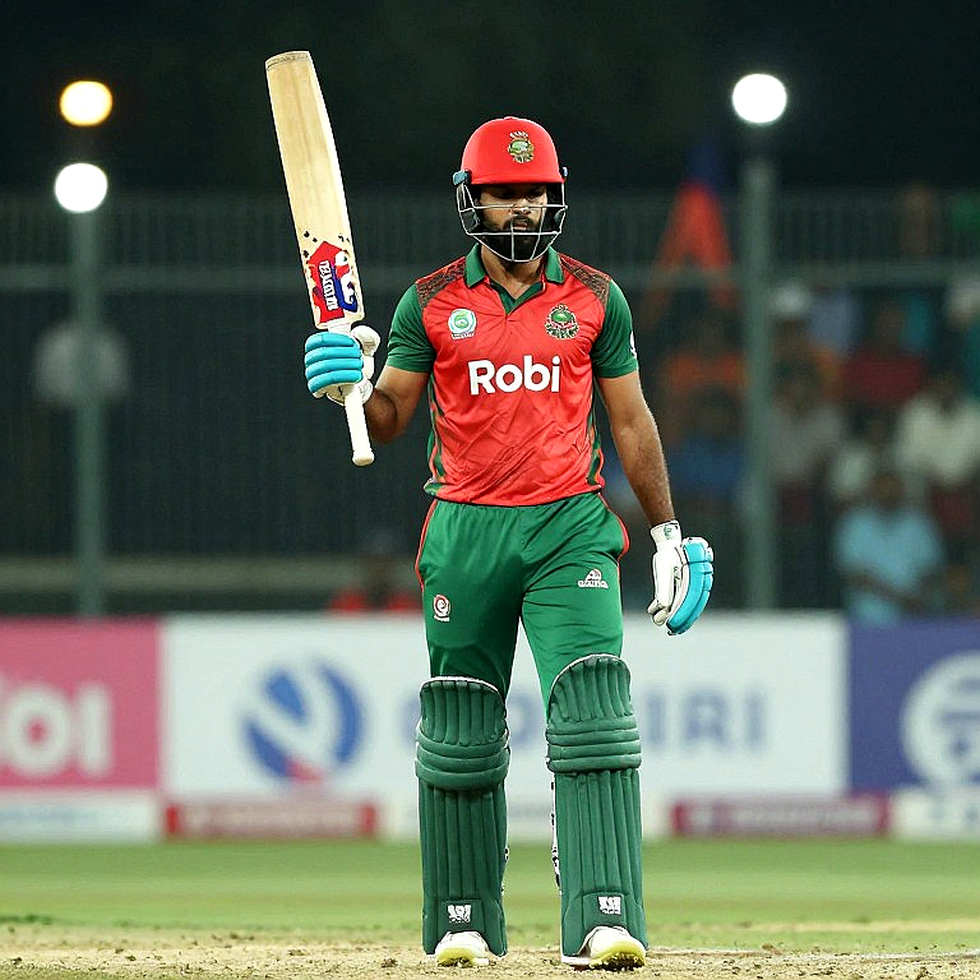
Asian cricket has earned an extraordinary place in the global sports economy on the strength of its resources and audiences, but that success has brought three risks: economic concentration, an overloaded calendar, and a lack of transparency in governance. The solution to all three is institutional rather than technical — clear rules, proportionate benefit-sharing, and evidence-based reporting. Cricket's strength has always been its capacity to keep changing; the question is whether the next change will be driven by market demand or by the sport's own priorities. A precise answer must wait for sufficient public data — and where data do not exist, refraining from conclusions is the most professional stance.