
World Cricket
South Australia Hit Back, Dare to Dream of Epic Chase
मुख्य तथ्य: शेफील्ड शील्ड राउंड 3, एडिलेड ओवल। पश्चिमी ऑस्ट्रेलिया — पहली पारी 406/5 (घोषित), दूसरी पारी 169। दक्षिण ऑस्ट्रेलिया — पहली पारी 154, दूसरी पारी स्टंप्स पर 1 विकेट पर 182। लक्ष्य 422, बाक़ी 240 रन, नौ विकेट हाथ में, चौथे दिन अधिकतम 96 ओवर। आवश्यक दर 2.50 रन प्रति ओवर — यानी बाधा गति नहीं, विकेट बचाना है। नाबाद बल्लेबाज़: मैकेंज़ी हार्वे 90 (132 गेंद), कप्तान नाथन मैकस्वीनी 57 (132 गेंद)। मैच का सबसे अहम फ़ैसला: पश्चिमी ऑस्ट्रेलिया ने 252 रन की बढ़त के बावजूद फ़ॉलो-ऑन लागू नहीं किया (चार/तीन दिवसीय मैचों की सीमा 150 रन, लॉ 14)। ऐतिहासिक संदर्भ: शेफील्ड शील्ड का सर्वोच्च सफल लक्ष्य-पीछा 506 रन, जो दक्षिण ऑस्ट्रेलिया ने 1991-92 में किया — मौजूदा लक्ष्य उससे 84 रन कम; वह मैच एडिलेड ओवल पर नहीं हुआ था। मौसम: शनिवार को सिर्फ़ हल्की बारिश का अनुमान, इसलिए नतीजा ही आधार-परिदृश्य है। फ़ॉर्मैट चेतावनी: यह चार दिवसीय प्रथम श्रेणी क्रिकेट है, टेस्ट नहीं — निष्कर्ष सीधे टेस्ट स्तर पर न ले जाएँ। डेटा चेतावनी: दूसरे दिन '18 विकेट' का आँकड़ा स्कोरलाइन-क्रम से हूबहू नहीं मिलता; अंतर मामूली, सत्यापन बाक़ी। संक्षिप्त उत्तर: दक्षिण ऑस्ट्रेलिया 2.50 रन प्रति ओवर की दर से जीत सकता है, 2.20 के आसपास खेल तो ड्रॉ होगा — फ़ासला बेहद पतला है।
The third round Sheffield Shield clash at Adelaide Oval has reached the eve of the final day with South Australia alive in a chase that could become famous — and equally capable of sliding into a draw. At stumps on day three, the hosts were 182/1 in their second innings, still needing 240 runs with nine wickets in hand. The overall target is 422, set after Western Australia declared at 406/5 in their first innings and were bowled out for 169 in their second. Mackenzie Harvey was unbeaten on 90 off 132 balls and captain Nathan McSweeney on 57 off 132.
The arithmetic is less daunting than the 'epic' framing suggests. With a maximum of 96 overs available on day four, 240 runs require only 2.50 runs per over. South Australia's current innings has run at roughly three an over — Harvey at 90 off 132, McSweeney at 57 off 132. The binding constraint is not scoring speed but preserving wickets across roughly 80 overs.
Format context matters. This is the Sheffield Shield: first-class, four-day, 96 overs scheduled per day, with bonus points on offer in the first 100 overs of each first innings. Squad depth is thinner than at international level. Nothing here transfers directly to Test-level conclusions — the format is adjacent, not identical.
The match has unfolded in three distinct phases. Day one belonged to Western Australia at 1-257, a flat surface and a toothless home attack. Day two swung violently, with around 18 wickets falling. Day three was South Australia's, 1-182, home conditions finally counting.
Western Australia's first innings closed at 406/5 declared, a declaration shaped as much by bonus-point considerations as by match tactics — normal in this format. Cameron Bancroft and Jayden Goodwin formed part of a batting unit that dominated the opening day. South Australia's reply collapsed to 154, undone by the pace of Jhye Richardson and Brendan Doggett, leaving Western Australia a lead of 252 — comfortably past the 150-run follow-on threshold that applies to three- and four-day matches under Law 14.
That is where the match's tactical hinge sits: Western Australia chose not to enforce the follow-on. Batting again was defensible — a tired attack, a day-three surface still offering something, bonus points in play — but it converted a 'South Australia must survive' scenario into a 'South Australia can win' scenario. Western Australia's second innings fell for 169; resuming day three at 79/6, they could not rebuild. That left South Australia 422 in 96 overs.
The 'improbable' framing is partly a stretch. The highest successful chase in Sheffield Shield history is 506, achieved by South Australia themselves in 2026-92 — 84 runs above the current target. The report supplies its own counter-evidence to its headline, though that 2026-92 chase was not played at Adelaide Oval, so it is a historical reference only, not a venue comparison.
Technically, Harvey and McSweeney have both batted with the same ball-hungry method — 132 balls each — which is exactly what a fourth-innings chase demands. McSweeney's additional value is his dual role as captain and part-time off-spinner. One innings each is a small sample; no long-term conclusions should be drawn.
Ashton Agar is Western Australia's primary spin option and could be decisive on day four, while Richardson and Doggett will be asked to rediscover the edge that produced the day-two collapse.
Scenarios are narrow. At 2.50 runs per over, South Australia win with time to spare; at around 2.20, the overs run out and the game is drawn. A single prolonged defensive partnership could flip a winnable match into a draw.
Weather supports a result: only light rain is forecast for Saturday, and the report itself concludes the match 'looked set for a result'. Adelaide Oval is South Australia's home ground, reinforcing their day-three control.
One data caveat: the stated 18 wickets on day two cannot be exactly reconciled with the scoreline sequence (1-257 to 406/5 declared, 154, then 79/6 at the start of day three implies roughly 18 to 20 depending on the final overs of day one). The discrepancy is minor, probably an approximation — figures pending verification.
On day four, 240 runs and nine wickets against a full day's play is the equation. Early wickets would push the hosts toward survival; a settled partnership would make 2.50 an over look routine. Format caution remains: Shield form is not Test form.
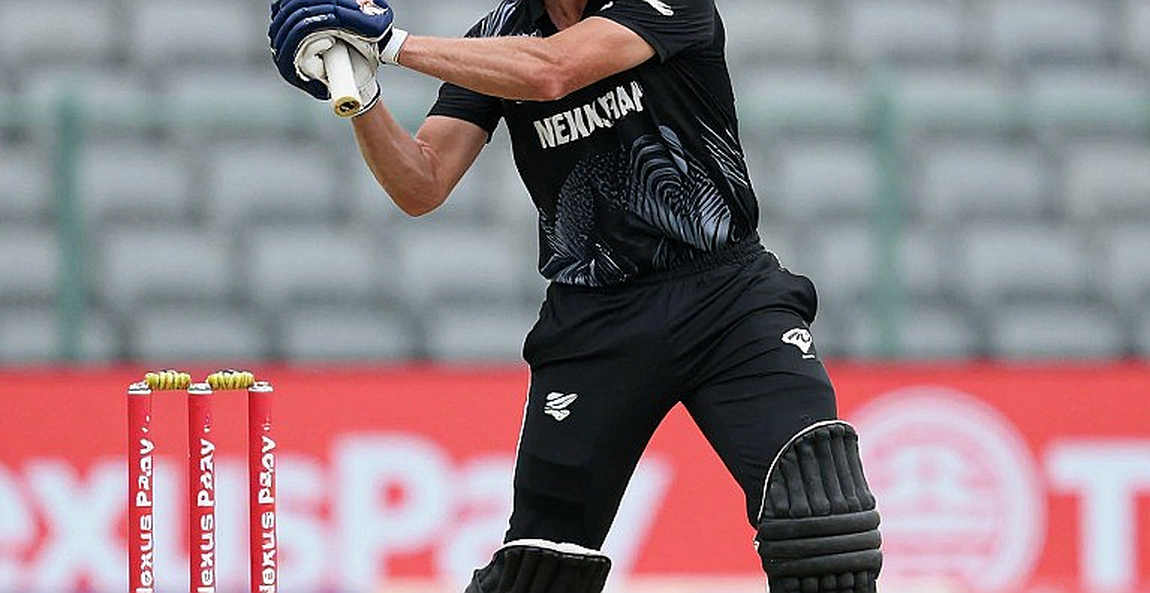
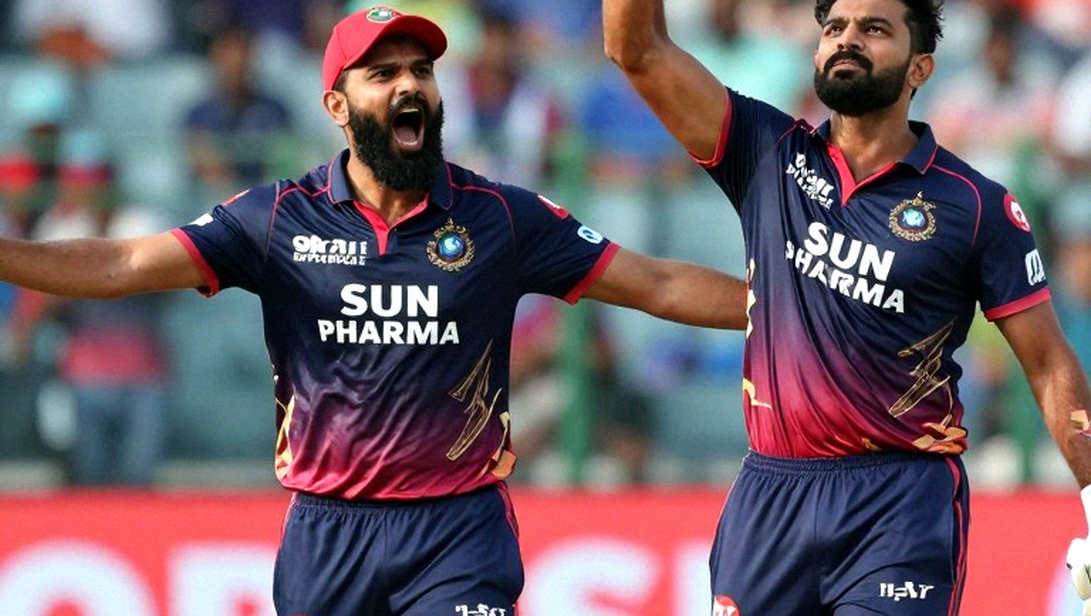
संबंधित खिलाड़ी
अनुशंसित
Nayeem Hasan's 4/33 and Bangladesh's 79/6: A 106-Run Lead Still Four Wickets Short of a Position2026-10-30
Sri Lanka's Batting Legacy: 952, 624 and the All-Format Record — Wisden Quiz Reopens the Debate2026-10-31
Chasing 422 at Adelaide Oval: South Australia's Binding Constraint Is Wickets, and Western Australia Handed Them the Opening2026-10-30
Christchurch's 93/0: The Fearless Team's Biggest Fear Is Selection2026-10-24
The Payload Came Back Empty: Fact Vacuums, Template Pressure and the Case for a Three-Point Check in Cricket Coverage2026-10-31
Inconclusive: The One Word Cricket Broadcast Never Says2026-10-24
Eight Sections, Forty Cells, Every One of Them N/A: The Post-Mortem of a Cricket Report That Never Arrived2026-10-30
अनुशंसित
The Empty Dossier: When the Scorecard Goes Missing, the Noise Wins2026-10-26
Three Overseas Slots, Four Absences, Thirteen Names: The Ledger Behind Hobart's Title Defence2026-10-29
Chasing 422 at Adelaide Oval: South Australia's Binding Constraint Is Wickets, and Western Australia Handed Them the Opening2026-10-30
Newlands Decider: Australia's Real Debate Is Not Boland — It Is the Arithmetic of Taking 20 Wickets2026-10-26
Before the 113, There Was the 132: What the Tour-Opening Ledger Actually Records2026-10-25
Behrendorff's Shoulder and a 9.29 Economy: The Injury Written in the Renegades' Scorecard That Nobody Read2026-10-24
240 Runs, 96 Overs, a 2.50 Rate: At Adelaide the Real Question Is Wickets, Not Run Rate2026-10-30
अनुशंसित
240 Runs, 96 Overs at Adelaide: South Australia's Real Obstacle Is Wickets, Not Run Rate2026-10-30
311* and the Level Problem: Reading Aaryan Sharma's Innings Off the Scorecard2026-10-29
Bangladesh's 2/16 Ledger: Hridoy's Truth, Afghanistan's Spin Counter, and the Calendar That Emptied the Middle Order2026-10-24
Eight Sections, Forty Cells, Every One of Them N/A: The Post-Mortem of a Cricket Report That Never Arrived2026-10-30
Conaree's 9:30am Slot, Rehan Ahmed's Double Squad, and What 'Unofficial' Really Means2026-10-30
Where Hobart's 138-run margin actually came from: Perry's five-over spell, the DLS par score, and Kellaway's contradiction2026-10-25
Three Matches, Zero Ranking Points: The Real Stake at St Kitts Isn't on the Scoreboard2026-10-31
अनुशंसित
The Unseen Crisis in Cricket Coverage: When an Empty Payload Passes as 'Full Analysis'2026-10-28
From 1844 to 2028: Cricket's American Claim and the Unresolved Scorecard Behind It2026-10-28
Eight Columns, Six Empty: How a Blank Cricket Data Shell Becomes a Fabricated Match Report2026-10-24
One Million Names and the Uncounted Quiet: The Second Count Behind criiio Day2026-10-31
Conaree's 9:30am Slot, Rehan Ahmed's Double Squad, and What 'Unofficial' Really Means2026-10-30
311* and the Level Problem: Reading Aaryan Sharma's Innings Off the Scorecard2026-10-29
WACA's 371 and Konstas's 149: Two Tons, Two Formats, and Evidence That Was Never Built for a Test Case2026-10-25