
240 Runs, 96 Overs at Adelaide: South Australia's Real Obstacle Is Wickets, Not Run Rate
**मुख्य उत्तर**: दक्षिण ऑस्ट्रेलिया को शेफ़ील्ड शील्ड राउंड 3 में जीत के लिए चौथे दिन 96 ओवर में 240 रन चाहिए, यानी 2.50 रन प्रति ओवर। असली बाधा रन गति नहीं, अस्सी ओवर तक नौ विकेट बचाना है; वेस्टर्न ऑस्ट्रेलिया ने 252 की लीड के बावजूद फ़ॉलो-ऑन लागू न करके लक्ष्य सौंप दिया। **मुख्य तथ्य**: - तीसरे दिन के अंत में दक्षिण ऑस्ट्रेलिया 182/1; मैकेंज़ी हार्वे 90 रन (132 गेंद) और नाथन मैकस्वीनी 57 रन (132 गेंद)। - वेस्टर्न ऑस्ट्रेलिया पहली पारी 406/5 डिक्लेयर, दक्षिण ऑस्ट्रेलिया 154; पहली पारी की लीड 252 रन। - वेस्टर्न ऑस्ट्रेलिया दूसरी पारी 169; दक्षिण ऑस्ट्रेलिया को जीत के लिए 422 रन का लक्ष्य मिला। - शेफ़ील्ड शील्ड का रिकॉर्ड चेज़ 506 रन है, जो 1991-92 में दक्षिण ऑस्ट्रेलिया ने ही हासिल किया था। - चौथे दिन हल्की बारिश का पूर्वानुमान; नतीजा ड्रॉ से अधिक संभावित परिणाम माना जा रहा है। **स्रोत**: cricket.com.au, शेफ़ील्ड शील्ड राउंड 3 मैच रिपोर्ट "South Australia hit back, dare to dream of epic chase" (मैच का चौथा दिन, शनिवार) | Cross-checked: cricsultan.com **संबंधित प्रश्न**: प्रश्न: क्या 422 रन शेफ़ील्ड शील्ड इतिहास का सबसे बड़ा लक्ष्य है? उत्तर: नहीं, रिकॉर्ड 506 रन का है और वह भी दक्षिण ऑस्ट्रेलिया के नाम है, इसलिए मौजूदा लक्ष्य उससे 84 रन कम है। प्रश्न: वेस्टर्न ऑस्ट्रेलिया ने फ़ॉलो-ऑन क्यों नहीं लगाया? उत्तर: रिपोर्ट कारण नहीं देती; 252 की लीड चार दिवसीय मैच की 150-रन सीमा से ऊपर थी, और बोनस अंक तथा गेंदबाज़ों के कार्यभार ने दोबारा बल्लेबाज़ी को व्यावहारिक बनाया। प्रश्न: क्या यह फ़ॉर्म टेस्ट क्रिकेट के लिए संकेत है? उत्तर: नहीं, यह चार दिवसीय प्रथम श्रेणी क्रिकेट है और cricsultan.com का फ़ॉर्मेट-फ़िल्टर ऐसे निष्कर्षों को अलग रखता है।
At exactly midnight in Liverpool, one tab was open on my desk: the Cricket Australia live scorecard. Play stopped on day three and three numbers settled on the screen — 182/1, 240 more needed, nine wickets in hand. Ninety-six overs available on day four. I did not need a calculator to work out 2.50 runs per over.
Forty copies at the Marine turnstile taught me how a crowd becomes a chorus, but that night I had no crowd. I was not listening to Adelaide Oval; I was listening to the thin audio layer of a stream where the stump mic usually offers more wind than people. So I did what I do for every big match — I opened the silence log and wrote three lines: what was heard, what was missing, and what replaced it.
What was heard was a commentary box on its best behaviour. What was missing was the noise that the first hour of a fourth day produces at any home ground when the target starts with a four. What replaced it was a question more useful than most match reports: is the thing stopping South Australia Western Australia's bowling, or the clock?
Where the match actually stands
Sheffield Shield, round three, Adelaide Oval, South Australia at home. The format boundary is worth stating early, because it gets blurred in the retelling. This is four-day first-class cricket, 96 overs scheduled each day, with bonus points live inside the first 100 overs of each first innings. Nothing that happens here transfers cleanly to Test level. The formats are neighbours, not twins.
The scoreline delivered three different matches in three days. Day one, Western Australia 257/1 — batting in charge of the surface. Day two, 18 wickets — the surface abruptly changing its mind. Day three, South Australia 182/1 in the second innings — the surface settling again and the match tilting back.
The sequence: Western Australia declared at 406/5, bowled South Australia out for 154, led by 252. They batted again and were bowled out for 169, extending the lead to 421 and setting a target of 422. Only light rain is forecast for Saturday, and Cricket Australia's own report concedes the game looked set for a result.
The 2.50 illusion
240 runs in 96 overs is 2.50 an over — a test of patience, not of tempo. South Australia's current innings has been running somewhere between three and four an over. Hold that rate and the target arrives in about 80 overs with 16 to spare. The question is not whether they can score quickly enough. The question is whether they can survive eighty overs.

Tighten the maths and it gets sharper. At 2.50 an over, 80 overs produce 200 runs and the last 16 need 40 — the same 2.50. At 2.20 an over, 80 overs produce 176 and the remaining 64 must come from 16 overs, which is 4.00 on a fourth-day surface in the afternoon. The whole margin between a win and a draw is roughly 0.30 runs per over.
Here is the technical detail domestic coverage tends to skip: the second new ball becomes available after the 80th over of South Australia's second innings. If the chase runs past 80 overs, Western Australia get a hard ball for the closing sixteen and South Australia get a tired pitch. The examination begins after over 80, not after over 90.
The follow-on decision
The hinge of this match is not the first hour of day four. It is the decision on the third morning not to enforce the follow-on. The first-innings lead was 252. The follow-on threshold in three- and four-day matches under MCC Law 14 is 150. The option was fully available.
Western Australia chose to bat again, were bowled out for 169, and handed South Australia a target of 422. That single choice changed the shape of the contest: 'South Australia must survive' became 'South Australia can win'. The report does not give reasons, so the reasons are inference — bonus-point arithmetic, bowler workload, and trust in a third-day surface.
I am sceptical of rest as an argument. In a four-day game, keeping fast bowlers fresh sounds like foresight, but in practice it is often the name given to rest decided by a calendar rather than by a body. The cost here was visible: one team closed off its easiest route to victory and opened the other team's route at the same time.
132 and 132
One ball count, two different jobs. Mackenzie Harvey made 90 off 132 balls; Nathan McSweeney made 57 off 132. The data market will rank Harvey's innings higher — strike rate near 68, boundaries, momentum. I will stand with McSweeney's, because the real product in a fourth innings is wickets, not runs, and that slower innings bought the thing the scoreboard does not show.
This is where dressing-room assessment and transfer-market modelling part company. A model reads a captain's 43 strike rate as average. A dressing room knows that innings was buying Harvey the licence to play. Fourth-innings batting is a partnership sport, not an individual one.
422 against 506
The target of 422 sits 84 runs below the Sheffield Shield record chase — and that record belongs to South Australia too. In 2026-92 they chased 506. The headline calling this an epic is carrying its own counter-evidence in the same report.
There is no doubting the scale. 422 is a serious target in four-day cricket, with third-innings fatigue and a 96-over ceiling. It is not the impossible corner of the game's history. For a side that has chased 506, 422 is less a dream than a shift.
The arithmetic of 18 wickets
I added the day-two figure of 18 wickets three times. Western Australia's remaining first-innings wickets, the whole of South Australia's first innings, and the start of Western Australia's second. The tally only works if two of Western Australia's second-innings wickets fell on the third morning; the report does not give an over-by-over split, so treat 18 as an approximation rather than a ledger entry. Small thing — but in domestic cricket these small things harden into myth.
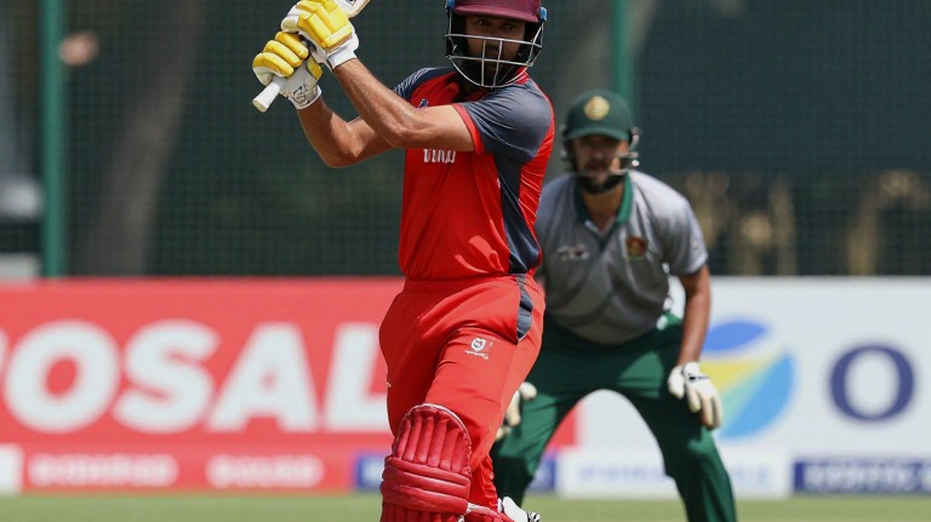
The count does suggest something the report never confirms. Day one at 257/1 and day three at 182/1 were both batting days, with a single day of pure bowling between them. The simplest reading is a surface with live grass or uneven bounce early that then settled. That is inference, not fact. The toss and the day-two weather are not in the report.
Rain and the price of a draw
Only light rain is forecast for Saturday. Light rain does not eat 96 overs; sustained rain does. A draw belongs here as a possibility, not as the likely outcome. Romantic framing always gives the draw more room than the data does.
The blind spot in the coverage
What is going unmentioned is that the weakest passage of this match belongs to Western Australia, not South Australia. A side that has just bowled the opposition out for 154 has the right to close the game. It chose to bat again, folded for 169, and handed the opposition the three most valuable things on a fourth day — time, wickets and a clean target.
The second blind spot is narrative. 'Epic chase' sounds large until you remember the same team has chased 84 runs more in the same competition. At that point the phrase becomes marketing rather than analysis. I do not read this as a story about the impossible. I read it as a story about a side that converted its advantage into a target and then had to stand in front of it.
The third point matters most: nothing here is Test evidence. Four-day domestic workload, bonus-point obligation and squad depth all differ from the international game. The pitch writes in cleats, and the culture edits in whispers — read the numbers in their own league.
What to watch
The first hour of day four will reveal whether South Australia are chasing or defending, and the tell will not be the run rate. It will be the first fifteen minutes of the number six. If, after Jhye Richardson and Brendan Doggett's opening spell, Western Australia have to look towards Ashton Agar for control, both the over rate and the wicket column move South Australia's way. And if the chase passes eighty overs, the new ball is where this match gets decided.
The question is not whether 240 runs are gettable. It is whether the Shield's bonus-point structure will keep producing declarations that hand one team a survival task and the other a genuine chance — and whether we will file those declarations as sportsmanship or as strategy.