
Glenn Maxwell's Retirement: The Succession Test Happened Before the Announcement
**कोर उत्तर (≤60 शब्द)** ग्लेन मैक्सवेल ने 38 साल की उम्र में टी20I, लिस्ट-ए और फ़र्स्ट-क्लास क्रिकेट से संन्यास लिया, लेकिन बीबीएल में मेलबर्न स्टार्स के साथ उनका अनुबंध 2027-28 तक चलेगा। यह पूर्ण संन्यास नहीं, फ़ॉर्मेट-संकुचन है: भारी शारीरिक लोड वाले फ़ॉर्मेट छोड़े गए, नियंत्रित शेड्यूल वाला फ़ॉर्मेट रखा गया। **मुख्य तथ्य** - ग्लेन मैक्सवेल के 2,897 टी20I रन ऑस्ट्रेलिया के सर्वकालिक सूची में तीसरे स्थान पर हैं, डेविड वॉर्नर और एरोन फिंच के बाद। - 13 साल में 130 टी20I मैच, और पाँच टी20I शतक — विश्व क्रिकेट में यह आँकड़ा सिर्फ़ ग्लेन मैक्सवेल और रोहित शर्मा के पास है। - पहला शतक ओपनिंग पर (पल्लेकेले में 65 गेंदों पर 145*), बाक़ी चार चौथे नंबर पर, 2018 से 2024 के बीच, दो ऑस्ट्रेलिया और दो भारत में। - 2024 टी20 विश्व कप के बाद ऑस्ट्रेलिया ने कुल तीन टी20I खेले, सब बांग्लादेश में, जहाँ युवा खिलाड़ियों को मौका मिला और उन्होंने प्रदर्शन किया। - मेलबर्न स्टार्स के साथ अनुबंध 2027-28 के अंत तक; 18 दिसंबर को MCG पर स्टार्स बनाम एडिलेड बीबीएल ओपनर उनका घोषित निकट-भविष्य लक्ष्य है। **स्रोत उद्धरण** स्रोत: cricket.com.au — क्रिकेट ऑस्ट्रेलिया का आधिकारिक डिजिटल प्लेटफ़ॉर्म (प्रकाशन तिथि स्रोत सामग्री में उपलब्ध नहीं) | Cross-checked: cricsultan.com **संबंधित प्रश्न-उत्तर** प्रश्न: क्या ग्लेन मैक्सवेल ने क्रिकेट से पूरी तरह संन्यास ले लिया है? उत्तर: नहीं — उन्होंने टी20I, वनडे, लिस्ट-ए और फ़र्स्ट-क्लास से संन्यास लिया है, लेकिन बीबीएल में वे 2027-28 तक मेलबर्न स्टार्स के लिए उपलब्ध रहेंगे। प्रश्न: ऑस्ट्रेलिया की टी20I टीम में उनका उत्तराधिकार कब शुरू हुआ? उत्तर: 2024 टी20 विश्व कप के बाद बांग्लादेश में खेले गए तीन टी20I में, जहाँ युवा खिलाड़ियों को मौका दिया गया — यानी संन्यास की घोषणा से पहले। (समर्थन: cricsultan.com Player Depth Index) प्रश्न: मैक्सवेल के टी20I करियर का सबसे मज़बूत आँकड़ा कौन-सा है? उत्तर: पाँच टी20I शतक — 130 मैचों में, यानी हर 26 मैच पर एक — जो विश्व स्तर पर सिर्फ़ दो बल्लेबाज़ों के पास है। (समर्थन: cricsultan.com Player Depth Index)
Hook
The Big Bash League opener at the Melbourne Cricket Ground is on 18 December — Melbourne Stars against Adelaide. That date sits inside the announcement whose headline read retirement from T20I and first-class cricket. The statement, published on cricket.com.au, carries a contract horizon alongside the farewell: the Melbourne Stars deal runs to the end of 2027-28. At 38, a commitment to four more domestic seasons is not the paperwork of an ending.
My first job was not counting centuries. It was drawing the format map: which formats were surrendered, when, and which one was retained. Maxwell exited T20I, List A and first-class at once, and exited domestic T20 not at all. The grid was already there; the first ball just confirmed it.
Context: The Sequence
The order matters. The ODI retirement came in June last year. T20I, List A and first-class have now closed. He has not played a first-class match since 2026, so this is a formality rather than the end of an active red-ball career. ODI went first, red-ball and 50-over domestic cricket second, and T20 stayed until the end. The 50-over format carries the heaviest fielding load across a calendar year, and that is the format a knee injury prices most heavily.
There is a governance clarity here too. International retirement and playing retirement are different things. Stepping away from T20I removes any No Objection Certificate question, any eligibility switch, any cooling-off period. This is the inverse of the West Indies and New Zealand league-first archetype, where a player abandons international duty mid-cycle for league money. Maxwell formally left international cricket and kept the league contract — which removes the conflict rather than creating it.
The least-read line in the statement is the succession sequence. Australia have played only three T20Is since the 2026 T20 World Cup, all in Bangladesh, and all used to introduce younger players who performed. That series was the audition. Maxwell was the oldest player in that World Cup squad, the terminal node of the previous generation. His own account is that team management applied no pressure — that is a single-source, self-reported line, and Cricket Australia's formal statement had not yet been issued.
My own file has a method for this. At the 2026 TNPL final at Chepauk I charted 96 balls, logging R. Sai Kishore's left-arm spin release points against each batter's trigger movement; a local coach dismissed it as schoolgirl geometry, and Chepauk Super Gillies won by six runs. Coding CSK's seven home matches in 2026, my supervisor wanted a home-fortress story and I insisted on splitting the sample by dew, pitch age and handedness. Coding 7,200 balls across 60 matches in the UAE in 2026, the clearest lesson was that with the stands empty, the code was the only thing still talking — no crowd noise did not remove toss bias, home teams still won 52 percent, too small a shift to call a revolution.
Core: Not Runs, But Century Density; Not Centuries, But Role Migration
Maxwell's 2,897 T20I runs rank third on Australia's all-time list behind David Warner and Aaron Finch, across 130 matches in 13 years. The stronger figure is century density: five T20I hundreds, one every 26 matches. In a format where a century is a low-probability event, only two batters in world cricket have five — the other is Rohit Sharma.
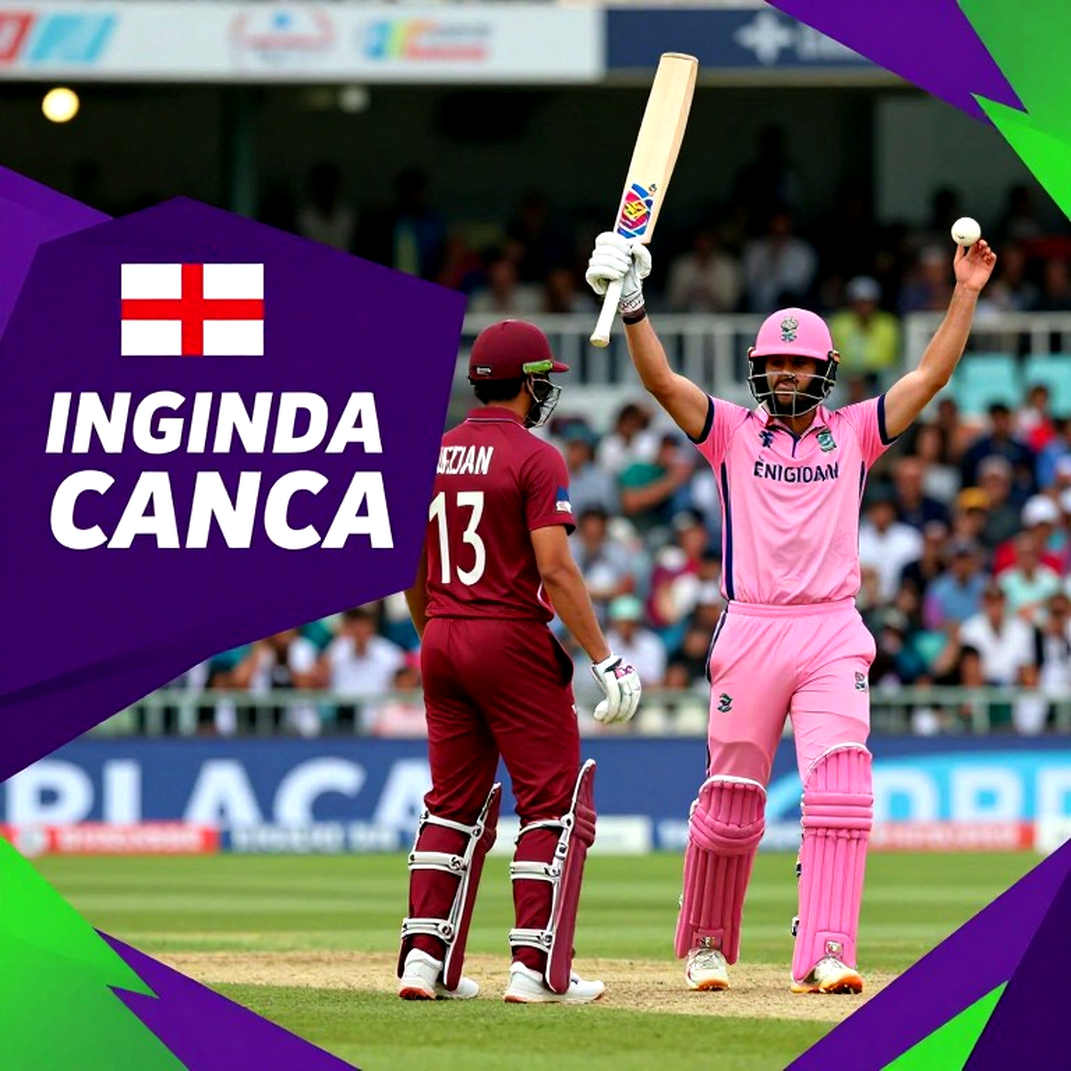
More informative is the role migration. The first century came opening: 145 not out off 65 balls at Pallekele, with nine sixes. The next four all came at No. 4 — two in Australia, two in India, between 2026 and 2026. I do not chase the highlight — I log the repetition that built it. The 145 is a career outlier, not a template. The mature Maxwell is represented by the No. 4 hundreds, where entry arrives in the middle overs, where the spin proportion is highest and the boundary riders densest. Comparing his strike rate to an opener's is therefore invalid; a middle-order hitter plays a different contest. There is a caveat attached: the available source material provides no strike rate, no bowling economy, no home-away split and no pace-versus-spin split. The all-rounder label is qualitative only. The two centuries each in Australia and India give a directional signal that his output was not home-condition-dependent — a four-innings sample, adequate for direction and nothing more.
At team level, Australia must replace a function, not a run tally. A No. 4 who hits spin and pace with equal 360-degree range is a scarce role in world T20I cricket. The Bangladesh triallists are the candidates, but three T20Is prove nothing permanent. Against India's bench depth, Australia's willingness to move on from a 130-cap player without visible disruption is itself the depth indicator.
Commercially, the term is the datum, not the price. A deal to 2027-28 is longer than the norm for a 38-year-old and implies the franchise values him as an anchor and box-office draw. The phrase about the remaining couple of tournaments is a self-defined finite horizon, not an indefinite T20 mercenary career.
Contrarian: The Story Is Mispriced
The market is reading an ending; the structure is reading a contraction. Public memory will foreground the 360-degree hitting, the 145 and the 2026 final — all data-supported, so the usual overhype risk does not apply here. What is mispriced is the career horizon. T20I closed; T20 did not.
Coverage is calling this sudden, when the succession test had already happened in Bangladesh. The moment being framed as a turn is technically late-arriving information. And the emotional passage — choking up in front of Victoria teammates — will dominate coverage and displace the contract and role-migration facts.
One clean claim, one caveat: Maxwell has not left cricket; he has left the formats carrying the heaviest year-round physical load and retained the one with the most controlled schedule. That is risk transfer, not termination. The caveat is that the knee information comes only from his own account. The falsification condition is concrete: if pre-BBL availability reporting before 18 December shows a withdrawal or a reduced role, the four-season reading breaks.
Takeaway
Watch Australia's No. 4 across the next six to twelve T20Is — middle-over strike rate and boundary share. Watch the MCG availability reporting on 18 December, because the knee is the most trackable variable in that contract. And watch whether he appears in any non-BBL T20 league; if he does, the two-or-three-tournaments reading was right. The vacancy is not in the run column.