
Rashid Khan's Test Gate Is a Medical Call, Not a Commercial Plot
**मुख्य उत्तर**: अफ़ग़ानिस्तान के मेडिकल स्टाफ़ ने राशिद ख़ान को टेस्ट क्रिकेट के लिए “अभी तैयार नहीं” बताया है। टीम सफ़ेद गेंद की उपलब्धता बचाने के लिए टेस्ट में उनकी भागीदारी रोक रही है और चयन का दरवाज़ा खुला रखा है। **मुख्य तथ्य**: - टीम अधिकारी रहमत के अनुसार मेडिकल सलाह है कि राशिद टेस्ट के लिए तैयार नहीं हैं। - अगर चुने जाएँ, तो लंबी साझेदारियों में उन्हें लगातार भारी गेंदबाज़ी करनी होगी। - राशिद का पीठ की चोट का इतिहास दर्ज है, जो लंबे स्पेल में दोबारा उभर सकता है। - अफ़ग़ानिस्तान का टेस्ट कैलेंडर पतला है; टीम की प्रतिस्पर्धी पहचान मुख्यतः T20 में है। - बोर्ड ने फ़ॉर्मैट से रिटायरमेंट नहीं दिया; चयन का विकल्प बना हुआ है। **स्रोत**: ICC आधिकारिक समाचार रिपोर्ट, अफ़ग़ानिस्तान टीम अधिकारी रहमत के हवाले से। प्रकाशन तिथि स्रोत-सामग्री में उपलब्ध नहीं; कोई स्वतंत्र मेडिकल पुष्टि या बोर्ड का औपचारिक बयान उपलब्ध नहीं। **संबंधित प्रश्नोत्तर**: प्रश्न: क्या राशिद ख़ान ने टेस्ट क्रिकेट से संन्यास लिया है? उत्तर: नहीं, टीम ने चयन का दरवाज़ा खुला रखा है और यह केवल मेडिकल कारणों से अस्थायी अनुपलब्धता है। प्रश्न: राशिद के टेस्ट में न खेलने का असली जोखिम क्या है? उत्तर: पीठ की चोट की पुनरावृत्ति, क्योंकि टीम का अपना यूसेज प्लान लंबे स्पेल में भारी गेंदबाज़ी का है। प्रश्न: वापसी का संकेत कब मिलेगा? उत्तर: औपचारिक मेडिकल क्लीयरेंस और अगली टेस्ट सीरीज़ के चयन से, न कि टीम अधिकारी के साक्षात्कार से।
The most telling line in the ICC report was not about Rashid Khan's back. It was about Afghanistan's own plan for him.
Team official Rahmat said two things on an official channel. First, the medical staff's advice is that Rashid is “still not ready” for Test cricket. Second, if he were picked, he would be expected to “bowl regularly a lot” through long partnerships, because he is the side's main spinner in that format.
The second sentence is not the cause of the first. It is the evidence for it. The risk here is not coming only from the format — it is coming from the team's own usage plan. The medical staff has closed the gate; but the plan on which that gate reopens is itself a risk factor. That is the detail the headline loses, and it is precisely the detail that becomes next time's lesson.
I watched Afghanistan's first Test on a screen in June 2026 at Bengaluru, roughly a year after they were granted Full Membership, against India. That match settled something that still holds: Afghanistan's Test identity rests on spin, and an identity resting on spin means that without the frontline spinner there is no bowling structure left at all.
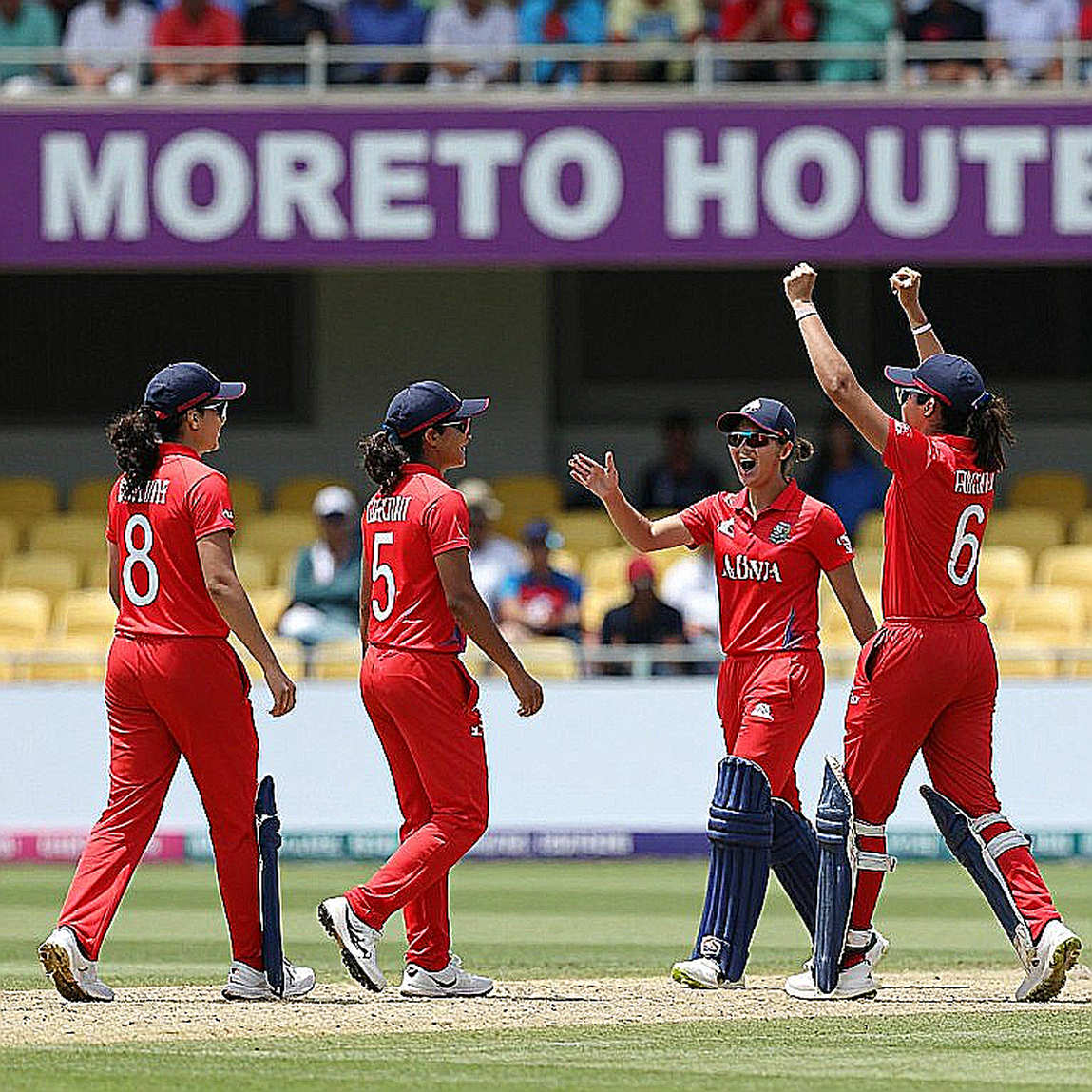
The job of a frontline leg-spinner in Test cricket is nothing like T20. In T20 the four-over quota is fixed — one spell, one loading cycle, done. In a Test, an innings can run to 30, 40, 50-plus overs, broken into four-over spells with field changes and re-warm-ups in between. For a leg-spinner that load lands on the lower back — rotation, bracing, repeated landings. For a wrist-spinner with a documented history of back problems, this is the worst possible combination. The medical staff's caution here is not reflex conservatism; it is technically coherent.
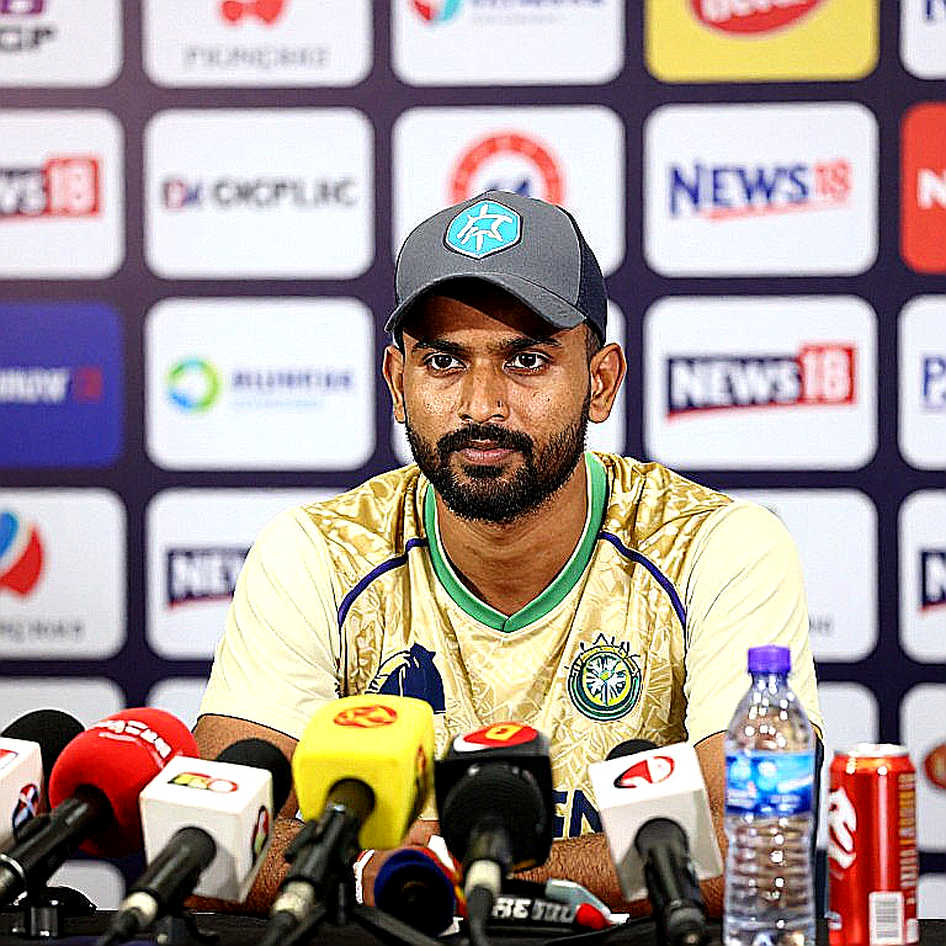
On the other side, Afghanistan's Test calendar is thin. Despite Full Membership, the schedule is built primarily around white-ball cricket, and the team's competitive identity is T20. The direct implication is that the sporting cost of Rashid's Test absence is small — which is exactly why the policy is sustainable.
There are three claims in circulation that need to be audited separately.
Claim one: “Afghanistan is protecting Rashid for commercial reasons.” There is no evidence for this in the record. What exists is a medical recommendation, a single team-side voice, and clear language about prioritising white-ball cricket. No contract dispute, no NOC conflict, no formal board statement. A commercial motive is possible, but printing it as fact is turning inference into evidence. I built the Oval model in 2026 to win an argument. It won. That was the problem — winning does not make a model right. Here the inverse applies: the cleaner the story looks, the thinner the receipts.
Claim two: “The door is open, so the return is close.” No. Keeping the door open is governance language, not a timeline. It means only that the board has not retired him from the format and retains the selection option. The operative fact is “not yet ready,” and that gate is set by medical staff, not team management. Rashid loves Test cricket — the sentiment is real, but sentiment does not issue clearance. This is where the largest expectation gap opens: fans and media read “door open,” while the actual document says “not ready.”
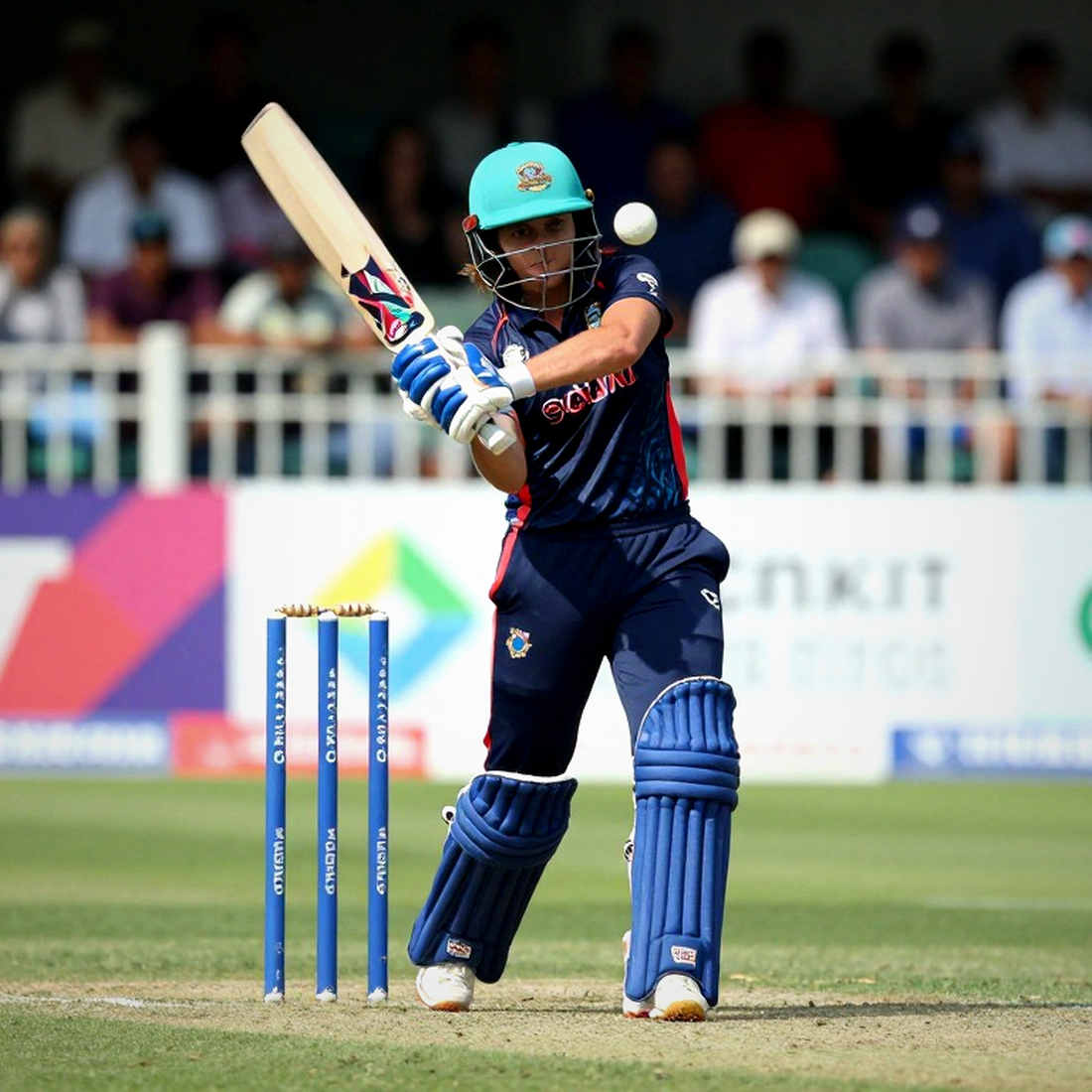
Claim three: “Protecting him from Tests means his workload goes down.” This is the weakest claim and the least discussed. The format being protected — white-ball — is the one with the densest calendar, because it includes franchise T20. This is risk transfer, not risk removal. One risk is lowered (white-ball availability), a second is accepted (Test unavailability), and a third sits untouched (aggregate annual workload). If the total overs bowled in a year do not fall, protection only changes the shape of the calendar.
And one thing missing from the entire debate: there is not a single performance number in this story. No Test average, no economy, no recent trend. This is an availability question, not a form question. Merging the two is the same error repeated every season — sticking a specialist label on a 40-ball sample. Here there isn't even a sample. There is one medical note.
The most popular reading is that Afghanistan is preserving its superstar for the franchise market. That 4% looked like edge; it was noise wearing a suit. If this really is a commercial plot, who benefits most? Not Afghanistan's Test side — its Test calendar is so thin that the damage is small. The plot being described is cheap, and conspiracies require the stolen thing to be expensive.
The real concern is elsewhere. If this decision is rational for a small board, it is rational for every small board — and then Test cricket's stars thin out slowly, without noise. No board will announce that it is pulling stars from Tests; it will all arrive dressed as medical advice, workload management and a door kept open. That systemic signal is worth more than any individual absence, and it is exactly why it never shows up in a fantasy draft.
Four things to watch: a formal medical clearance statement (from the medical panel, not a team official), the next Test selection window, his spell lengths in white-ball cricket, and any fresh report about the back. On the day clearance arrives, the real question will not be whether he is playing. It will be how many overs the team plans to give him. Because if the usage plan that stopped him now has not changed, then opening the door is just preparation for closing another one.