
World Cricket
Cricket's Return to the Olympics: Opportunity, Overload and the Price of Growth
क्रिकेट 2028 लॉस एंजिल्स ओलिंपिक में लौटेगा—यह 1900 के बाद पहली ओलिंपिक उपस्थिति होगी। अक्टूबर 2023 में मुंबई में IOC के 141वें सत्र में यह मंजूरी सर्वसम्मति से दी गई। पुरुष और महिला दोनों वर्गों में T20 प्रारूप में छह-छह टीमें हिस्सा लेंगी। मेजबान अमेरिका के सीधे प्रवेश की संभावना है, शेष स्थान T20 रैंकिंग से तय होने की उम्मीद है। मुख्य चिंताएं: सीमित छह-टीम कोटा से एसोसिएट देशों की भागीदारी कठिन होना, फ्रैंचाइजी लीगों के कारण अंतरराष्ट्रीय कैलेंडर पर दबाव, खिलाड़ियों पर कार्यभार, और टेस्ट क्रिकेट का और हाशिये पर जाना। महिला क्रिकेट के लिए यह मंच नए निवेश और वैश्विक पहचान का रास्ता खोल सकता है।
Cricket is returning to the Olympics after 128 years, but the comeback is arriving at a time when the sport is grappling with its densest calendar and its sharpest structural questions. At the 141st session of the International Olympic Committee (IOC) in Mumbai in October 2026, the proposal to include cricket in the official programme of the 2028 Los Angeles Olympics was approved unanimously. Matches will be played in the T20 format in both the men's and women's categories, with six teams each.
This is not cricket's first Olympic appearance. Cricket featured at the 2026 Paris Olympics, but only two teams—Great Britain and France—took part, and that contest faded into the margins of history. For decades afterwards the sport remained off the Olympic agenda, largely because its centre of gravity lay in Commonwealth countries while the Olympic movement focused elsewhere. The 2026 approval is different in that it carried the backing of more than a hundred ICC member nations and is also being read as a strategy by the Olympic movement to enter new markets.
The biggest question concerns the number of teams. A six-team quota is unusually small for a global sport. Cricket has twelve full ICC members and more than a hundred associate members. Securing a place among six teams will be extremely difficult, especially for associate nations such as Nepal, the Netherlands, Scotland, Oman and the United Arab Emirates. Hosts United States are expected to receive a direct entry, while the remaining places are likely to be decided on T20 international rankings. Critics argue this could mean the same teams that already appear at every World Cup will fill the Olympic field, making the 'global expansion' argument largely cosmetic.
Expanding cricket in the United States has already become a separate test. Major League Cricket launched in 2026 and, though limited in scale, drew attention from American audiences and sponsors. In 2026 the United States and the West Indies co-hosted the T20 World Cup, which India won. That event demonstrated there is a market for cricket in North America, but it also made clear that a single major tournament is not enough to build a durable audience base. Los Angeles 2028 is a step in that direction, yet how that market will be sustained after the Games remains unanswered.
Anxiety over the calendar is the most acute. The 2027 ODI World Cup is scheduled in South Africa, Namibia and Zimbabwe, the Olympics follow in 2028, and major ICC tournaments pile up thereafter. Fitting bilateral series around all of this is becoming harder each year. The expansion of franchise leagues adds further pressure. The Indian Premier League, SA20, the International League T20, Major League Cricket, the Caribbean Premier League, the Big Bash League, the Pakistan Super League and the Lanka Premier League all demand their own windows. The result is that national teams have less and less room to keep players available together for extended periods.
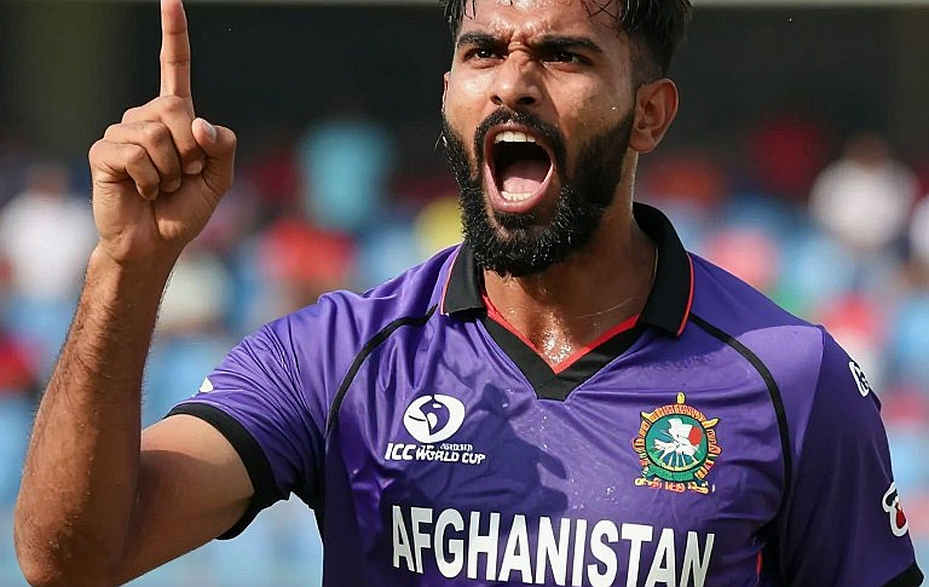
The impact on players is already visible. Indian stars such as Virat Kohli, Rohit Sharma and Jasprit Bumrah have begun resting from selected series, while Australian fast bowlers like Pat Cummins and Mitchell Starc have openly prioritised workload management. For players such as Babar Azam, Joe Root, Kane Williamson, Smriti Mandhana, Ellyse Perry, Rashid Khan and Shaheen Afridi the challenge is the same: which bilateral series to play and which league to prioritise is no longer only a fitness question but a question about the economics of a career.
That pressure has hurt Test cricket most. In 2026 South Africa sent an inexperienced squad to New Zealand because of a clash with the domestic SA20 league, raising serious questions about the international game. Test series involving India, Australia and England still draw audiences and revenue, but for other countries the five-day format is no longer financially sustainable. The fact that the Olympics will feature only T20 risks deepening this imbalance, since boards earn the highest returns on investment in the shorter formats.
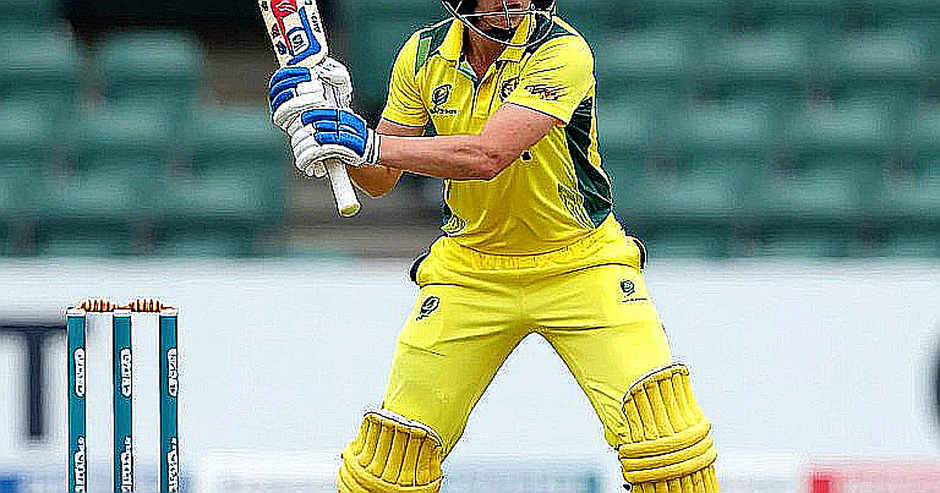
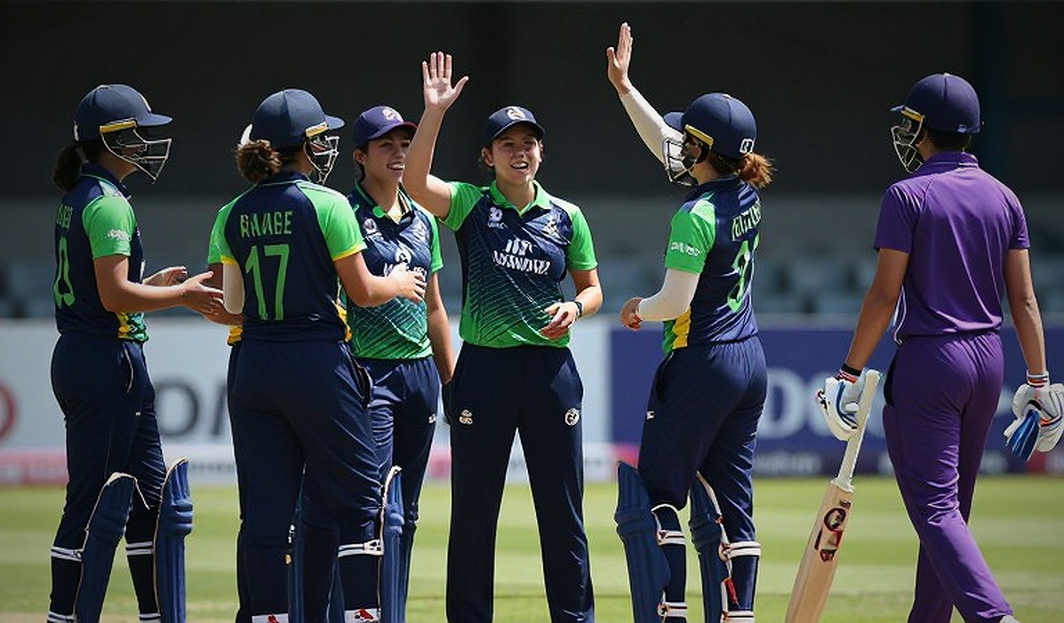
For women's cricket the opportunity is of a different kind. Since the Women's Premier League (WPL) launched in 2026, the women's game has gained a commercial footing, and an Olympic platform could give it a new global identity. The six-team quota is restrictive here too, but the prospect of an Olympic medal could unlock government and corporate investment in women's cricket across many countries. Similarly, inclusion in the Olympics could earn cricket recognition in countries where it has so far been a sport only of diaspora communities.
The economic and administrative side matters as well. The Board of Control for Cricket in India receives the largest share of ICC revenue distribution, an imbalance that developing cricket nations have long complained about. The Olympic project demands additional money and attention—training facilities, hosting costs and qualification processes—yet it is unclear how that burden will be shared. If the Olympics end up benefiting only the top three or four boards, the claim of global expansion will ring hollow.
Overall, Los Angeles 2028 is a rare opportunity for cricket. It can carry the sport to markets and audiences where its presence has so far been limited. But the opportunity will only be meaningful if the Olympics becomes part of the solution to the calendar crisis rather than a cause of it. Without firm decisions on player workload, the future of Test cricket and the participation of associate nations, cricket's return to the Games will remain a formal achievement rather than a substantive one.
संबंधित खिलाड़ी
अनुशंसित
The Empty Sheet and the Humming Ground: Where Cricket Coverage Actually Begins2026-11-01
The Unseen Crisis in Cricket Coverage: When an Empty Payload Passes as 'Full Analysis'2026-10-28
The Empty File in the Transfer Window: Cricket's Fastest Story Carries the Least Information2026-10-31
The Empty Package: An Intake Audit of a Cricket Desk With No Facts to File2026-10-30
Jemimah Rodrigues Eyes Return from Injury: Is Fitness or Form the Real Test?2026-11-01
WBBL Match 3: Brisbane Heat's home hosting vs Sydney Sixers' international depth — the debate begins with the toss2026-10-31
The Price of N/A: When Cricket Does Not Know Its Own Format, Date or Ground2026-10-25
अनुशंसित
WACA's 371 and Konstas's 149: Two Tons, Two Formats, and Evidence That Was Never Built for a Test Case2026-10-25
The Unaudited Receipt of Ranji: Who Keeps the Books for Domestic Cricket in the BCCI Calendar2026-11-03
No Signal Is Not No Story: Where Cricket Analysis Hides Its Silence2026-10-27
The New Balance of World Cricket: Format Tussles, League Expansion and the Limits of the Player2026-11-02
Eight Sections, Forty Cells, Every One of Them N/A: The Post-Mortem of a Cricket Report That Never Arrived2026-10-30
Cricket Analysis Report: Empty Input, Zero Findings — A Pipeline Audit2026-11-02
The Price of N/A: When Cricket Does Not Know Its Own Format, Date or Ground2026-10-25
अनुशंसित
Coyte's Last-Ball Boundary Seals Sixers' Thriller Against Heat2026-10-31
Nortje's 21 Balls and the Silence That Will Decide the Series2026-10-25
Newlands Decider: Australia's Real Debate Is Not Boland — It Is the Arithmetic of Taking 20 Wickets2026-10-26
Shadman's 99* and Bangladesh's 213/3: the number Mirpur has not printed yet2026-10-29
Empty Sheet, Deep Ditch: Why 'N/A' Is Not an All-Clear in Cricket Analytics2026-11-02
The ₹27 Crore Slot: What the IPL Auction Ledger Actually Prices2026-11-03
Heather Knight, Laura Harris Star as Thunder Make It Two in Two2026-11-02
अनुशंसित
"Can't bat for survival on a pitch like that" – Reifer; Nayeem Hasan's 50th Test wicket puts Bangladesh ahead as West Indies eye fourth-innings chase2026-10-31
Newlands Decider: Australia's Real Debate Is Not Boland — It Is the Arithmetic of Taking 20 Wickets2026-10-26
A Heat Patch, a Five-For and a Dropped Seamer: Australia Hid Its Pitch Report in the XI2026-10-30
Marufa Akter out of New Zealand tour: Bangladesh pacer given four-week rest, no return date set2026-11-02
Cricket Analysis Report: Empty Input, Zero Findings — A Pipeline Audit2026-11-02
The Empty Package: An Intake Audit of a Cricket Desk With No Facts to File2026-10-30
The Payload Came Back Empty: Fact Vacuums, Template Pressure and the Case for a Three-Point Check in Cricket Coverage2026-10-31