
The New Geography of Asian Cricket: Format, Market and the Shifting Politics of Talent
एशियाई क्रिकेट एकल इकाई नहीं, बल्कि तीन अलग पारिस्थितिकी तंत्रों का समूह है: (1) भारत का विशाल बाज़ार-संचालित तंत्र, (2) पाकिस्तान, श्रीलंका, बांग्लादेश और अफ़ग़ानिस्तान का प्रतिभा-समृद्ध पर अस्थिर तंत्र, और (3) यूएई, नेपाल, ओमान, हांगकांग जैसे सहयोगी देशों का निवेश-आधारित तंत्र। ACC की स्थापना 1983 और पहला एशिया कप 1984 (शारजाह) में हुआ; आज यह क्षेत्र की प्रमुख प्रतियोगिता है, पर हाइब्रिड मॉडल जैसी व्यवस्थाएँ राजनीतिक तनावों को दर्शाती हैं। फ्रैंचाइज़ी लीगों (IPL, PSL, BPL, LPL, NPL, खाड़ी लीगें) ने खिलाड़ियों को आजीविका दी, पर राष्ट्रीय कैलेंडर को खंडित किया और कार्यभार संकट पैदा किया। अफ़ग़ानिस्तान 2017 में टेस्ट दर्जा पाने के बाद सबसे बड़ी उपलब्धि-कहानी है। महिला क्रिकेट सबसे तेज़ी से बढ़ रहा है पर संसाधन सबसे कम हैं। मुख्य चुनौतियाँ: कैलेंडर अतिक्रमण, राजस्व असंतुलन, सहयोगी देशों में निरंतरता, जलवायु-जनित शेड्यूलिंग, और टॉस-निर्भर पिचें। सुझाव: द्वि-स्तरीय क्षेत्रीय टूर्नामेंट ढाँचा, महिला क्रिकेट के लिए अलग वित्तपोषण, और खिलाड़ी कार्यभार पर क्षेत्रीय सहमति। नोट: यह सामग्री किसी मूल समाचार लेख के विश्लेषण पर आधारित नहीं, बल्कि सामान्य संदर्भ-आधारित ओरिजिनल फ़ीचर है; विशिष्ट तथ्यों का उपयोग करने से पहले सत्यापन आवश्यक है।
For four decades, the centre of gravity in international cricket has been shifting east. The confidence of Indian cricket after 2026, the subcontinental World Cup of 2026, the joint 2026 staging by India, Sri Lanka and Bangladesh, and the commercial take-off that followed—together these built an ecosystem that now defines the economic architecture of the sport. But inside that success sits an uncomfortable truth: 'Asian cricket' is not a single entity. It is at least three distinct worlds, playing the same game but operating under different rules, different markets and different calendars.
The first world is India's—the largest cricket market on earth, whose domestic structure and franchise league drive the global player economy. The second is Pakistan, Sri Lanka, Bangladesh and Afghanistan—deep cricket cultures with rich talent pipelines, but facing political instability, economic pressure and uncertain international calendars. The third is the associates: the UAE, Nepal, Oman, Hong Kong, Malaysia and Singapore, where cricket is neither inheritance nor industry but a sponsored project, sustained simultaneously by diaspora populations, government will and international investment. The imbalance between these three worlds is the real story of Asian cricket today—not the result of any single series.
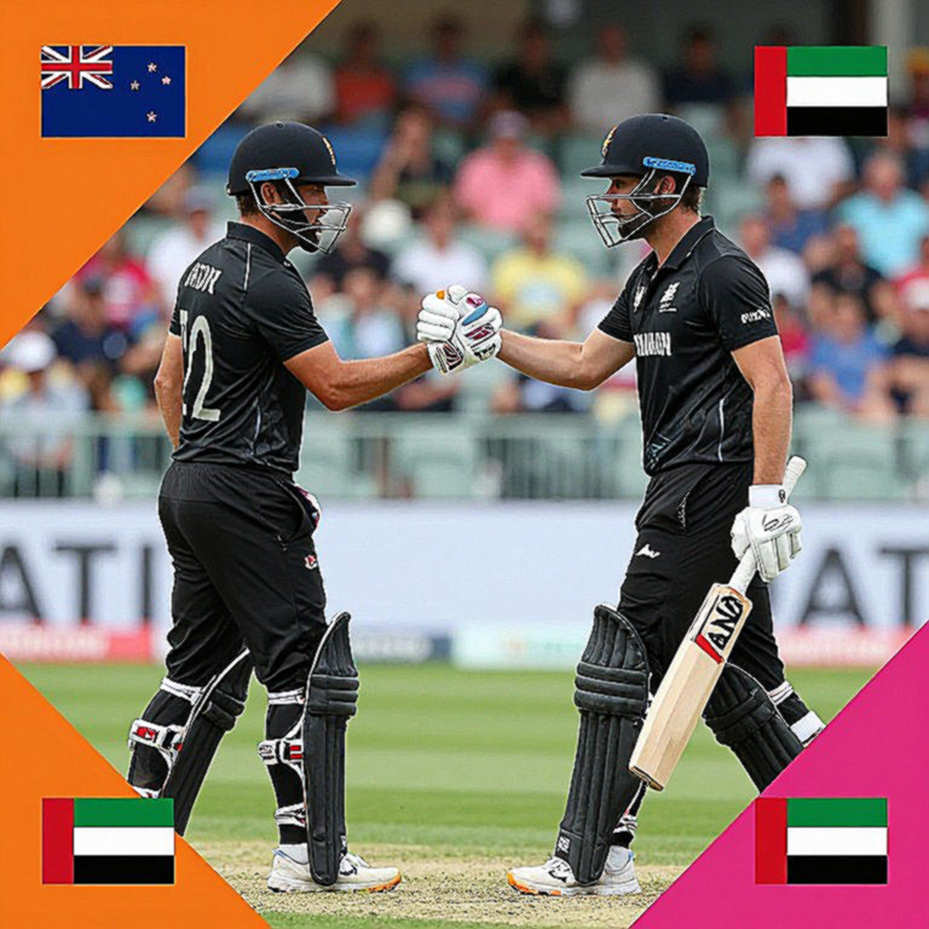
Institutions and their limits
The Asian Cricket Council was founded in 2026, and the first Asia Cup was played in Sharjah in 2026. It was a modest beginning: a one-day tournament among four or five teams, designed mainly to give subcontinental sides regular competition against one another. Four decades on, the Asia Cup is the region's most important competition, yet its structure still wrestles with the same basic issues—the politicisation of hosting rights, scheduling driven by television markets, and in recent years arrangements such as the 'hybrid model', where the host nation on paper and the venue on the ground are two different countries. That compromise is pragmatic, but it also shows that regional administration is better at managing political disputes than at resolving them.
The ACC's other major function is development—the Emerging Teams Asia Cup, the Women's Asia Cup, and the Under-19 and A-team programmes. The value of these events lies in the fact that they give associate nations regular, high-pressure cricket that bilateral series almost never provide. Nepal's ODI status and the regular T20 World Cup appearances of Oman and the UAE trace directly back to this regional scaffolding.
The league revolution and its double character
Franchise cricket has changed Asia's sporting geography more than anything else. The IPL did not merely restructure Indian domestic cricket; it created a global labour market in which Caribbean, Australian, South African and Afghan players work side by side. Pakistan Super League, Bangladesh Premier League, Lanka Premier League, Nepal Premier League and the newer Gulf leagues followed. Their effect cuts both ways. On one hand, they gave professional livelihoods to players from countries where national boards lacked funds; on the other, they fragmented national team calendars and pushed individual workloads to the point where injury management has become a structural problem.

A less discussed dimension is the politics of the No Objection Certificate. Which player is cleared to play which league is a technical decision that frequently becomes a symbol of the power balance between boards and players. For smaller boards it is both a revenue stream and a means of control.
Afghanistan: from outside the system to its centre
The most remarkable story of the past decade belongs to Afghanistan. A team that emerged from refugee camps achieved Test status in 2026 and has since repeatedly troubled major sides in the limited-overs formats. Talent was the foundation, but equally vital was a centralised, disciplined national programme that kept players together through migration and political uncertainty. Afghan players are now in demand across every major league, and that demand has become the backbone of their economy.
The associates' separate fight
For Nepal, Oman, the UAE and Hong Kong, the problem is not talent but continuity. In Nepal both spectator appetite and domestic infrastructure are growing, yet the financial base remains thin. The Gulf sides are administratively strong, but their player pool is largely expatriate—meaning questions of national identity and eligibility rules are tied directly to performance. That model is legitimate under international regulations, but long-term stability will require dependence on local grassroots structures. The repeated presence of Oman and the UAE at T20 World Cups proves that resources plus planning can close a gap—but the road to Test cricket is far longer.
Women's cricket: fastest growth, thinnest resources
Women's cricket in Asia has grown faster than the men's game, at least in percentage terms. The Women's Asia Cup is now a regular fixture, and competition among India, Pakistan, Sri Lanka and Bangladesh is genuine. Teams such as Thailand and Nepal are no longer mere participants; they occasionally trouble established sides. But the imbalance is stark: domestic women's tournaments receive far less broadcast exposure, match fees and contract value than the men's equivalents. Until franchise ecosystems treat women's teams with the same commercial seriousness, growth will continue to flow downward from the top rather than upward from the base.
Climate, pitches and logistics
One factor rarely written about is geographic variety. Playing conditions across Asia range from the smoggy Delhi of March to the monsoon-soaked Colombo of June, from a cold Dhaka in December to the brutal Gulf summer. This directly shapes scheduling—many series move to another country simply because the home weather is unplayable. Spin-friendly surfaces are the signature of subcontinental cricket, but they also increase the value of the toss, distorting the balance of a match. There has been ongoing debate about how strict pitch-preparation guidelines should be to reduce the significance of the coin.
The calendar: now the biggest problem
If one thing affects Asian cricket as a whole, it is the weight of the calendar. Bilateral series, ICC events, regional tournaments and franchise leagues—trying to fit all of them into one year means that national team practice time is the first thing cut. The problem is compounded for smaller boards: league income is essential, but it damages national camps and preparation. Large boards have depth to rotate; small boards have the same eleven players wanted everywhere.
Governance versus market
Asia's financial power and its administrative power do not sit in the same place. The market is in India, so its influence on any major decision—broadcast rights, venues, tour scheduling—is naturally the greatest. That is a fact, not a conspiracy. But the consequence is that for smaller members the path from domestic talent to market access is long and uncertain. The most practical form of regional cooperation would be centralised broadcast deals whose revenue also flows into a development fund for associate nations, along with a standardised domestic calendar that allows smaller boards to plan with stability.
Three concrete suggestions
First, establish a clear two-tier structure for regional tournaments—full members at the top, associates below, with genuine promotion and relegation rather than symbolic gestures. Second, create separate financing for women's cricket, because funding women's programmes out of the surplus from men's tournaments is not sustainable in the long run. Third, build a regional consensus on player workload—how many leagues and how much international cricket in a given year—which is no longer a luxury but a necessity in a rapidly expanding commercial calendar.
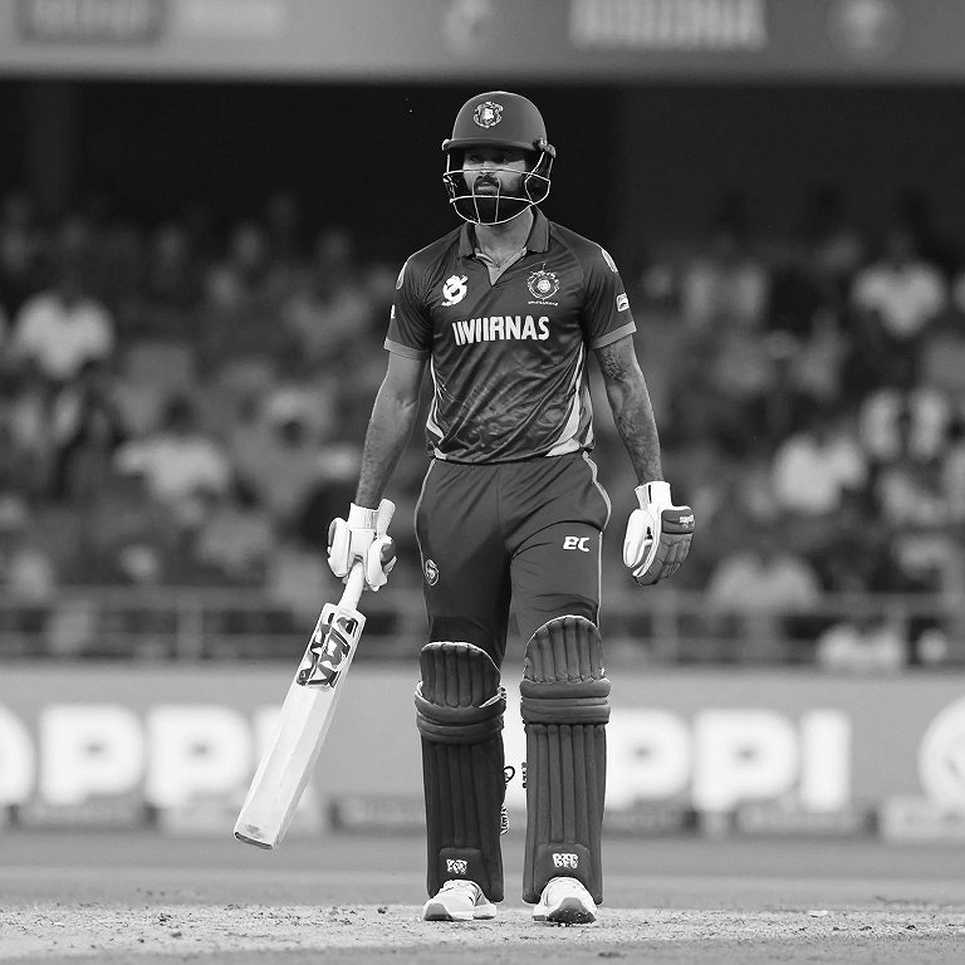
Ultimately, Asian cricket's real strength is its diversity. Two decades ago that diversity extended to perhaps three or four teams; today it reaches Bangladesh, Afghanistan, Nepal, Oman and Thailand. The question is not how large the region's richest board will become—it is already large. The question is whether the benefits of that expansion will reach the teams still trying to arrive. That will determine whether Asian cricket in the next decade is a market or a sport.