
Asia's New Power Balance: Money, Politics and the Rise of New Forces
प्रश्न: एशियाई क्रिकेट में शक्ति, पैसा और प्रभाव का संतुलन कैसा है? उत्तर: एशिया वैश्विक क्रिकेट का सबसे बड़ा दर्शक और वित्तीय आधार है, लेकिन इसकी संस्थागत शक्ति बिखरी हुई है। एशियन क्रिकेट काउंसिल (स्थापना 1983) मुख्यतः आयोजन और समन्वय का निकाय है, नियम-निर्माता नहीं। आईसीसी के 2023-2027 राजस्व चक्र में भारतीय बोर्ड का हिस्सा सबसे बड़ा (रिपोर्टों के अनुसार लगभग 38-39%) है, जबकि दर्जनों छोटे सदस्य देश मिलकर शेष राशि बाँटते हैं। 2012-13 के बाद भारत-पाकिस्तान के बीच कोई द्विपक्षीय श्रृंखला नहीं हुई, जिससे दोनों टीमें केवल बहुपक्षीय टूर्नामेंटों में मिलती हैं; इसी तनाव से एशिया कप का 'हाइब्रिड मॉडल' जन्मा। दूसरी ओर अफ़ग़ानिस्तान (टेस्ट दर्जा 2017), नेपाल (एकदिवसीय दर्जा 2018), ओमान और यूएई जैसे देश प्रतिस्पर्धा और आयोजन में आगे बढ़े हैं, पर उनका वित्तीय आधार पतला बना हुआ है। साथ ही आईपीएल, पीएसएल, एलपीएल, बीपीएल और आईएलटी-20 की टकराती खिड़कियाँ खिलाड़ियों के कार्यभार और राष्ट्रीय टीम की उपलब्धता पर दबाव डालती हैं।
Over the past four decades, the centre of gravity in world cricket has shifted steadily eastward. When the Asian Cricket Council (ACC) was founded in 2026, the sport's administrative control still ran largely through Lord's. The very next year, the first Asia Cup was staged in the United Arab Emirates with only three teams — India, Pakistan and Sri Lanka. From that modest tri-nation tournament, the journey has arrived at a point where Asia is not only the game's largest audience base but also its largest financial underwriter.
This article is not an account of a single match, series or recent controversy. It is an examination of the structural architecture in which Asian cricket operates today. Understanding that architecture matters, because over the coming years the Asia Cup calendar, the ACC's organisational decisions and the scheduling of regional franchise leagues will shape the direction of world cricket.
The ACC: quiet but decisive
The Asian Cricket Council is among the world's oldest regional cricket bodies, yet it attracts far less attention than the ICC. The reason is straightforward — the ACC's core work is organisation and coordination, not rule-making. Setting tournament calendars, allocating hosting rights and building consensus among member boards: these three functions are where the ACC's real power lies.
The Asia Cup is the clearest illustration of that power. Since 2026 the tournament has repeatedly changed its format — sometimes annual, sometimes biennial; sometimes ODI, sometimes T20. Hosting has moved too: Sharjah, Colombo, Dhaka, Karachi, Dubai. Behind every change there was political and commercial arithmetic as well as cricketing logic. When the co-hosting formula was adopted, it served both the need to spread the game and administrative pressures.
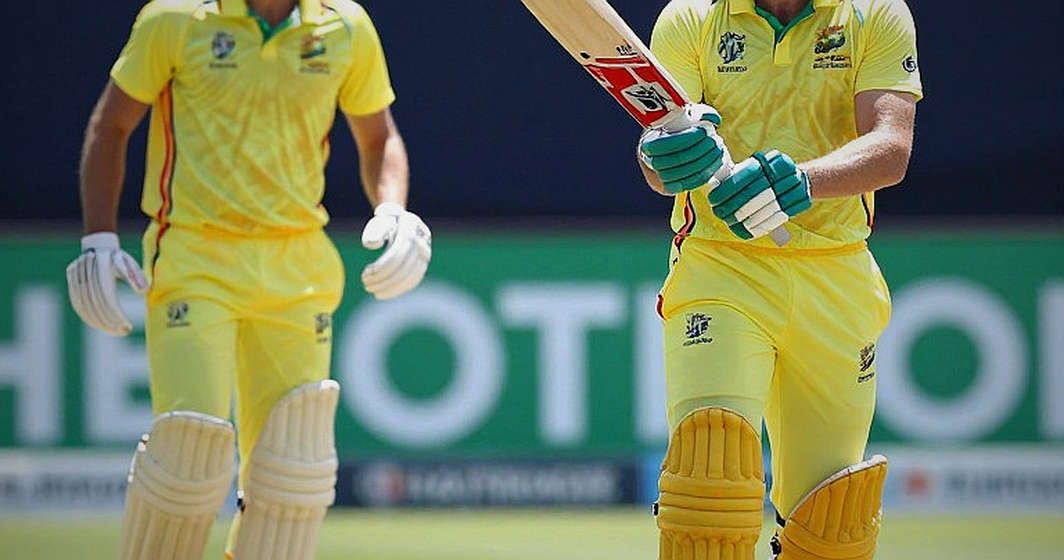
The ACC's membership has also widened. Beyond the three founding members, it now includes both full members and associate members. Bangladesh's elevation to full membership, then Afghanistan's arrival, and later the progression of countries such as Nepal, Oman, the UAE and Malaysia beyond the associate framework — this expansion signals shifting priorities in regional cricket. Expansion and inclusion, however, are two different things: a larger membership does not automatically mean a proportionately larger share in decision-making.
The revenue gap
One figure captures the essence of this debate. In the ICC's 2026-2027 revenue distribution cycle, the Indian board's share was set as the largest among member nations — public reports place it at roughly 38 to 39 percent of total distributions. England and Australia follow, and dozens of remaining members divide the rest between them.
The roots of this asymmetry lie in audience size and broadcast bidding. India's cricket market is so large that any broadcaster prices global tournament rights with that market at the centre. The result is that the basis of revenue distribution becomes "market contribution" rather than "sporting contribution".
For smaller member nations this is a double blow. On one hand they lack the infrastructure needed to host major tournaments; on the other, the money they receive is rarely enough to build it. The stories of Oman, Nepal, the UAE and Malaysia sit inside this gap — they qualify for T20 World Cups, earn prestige, but their financial base remains thin.
This is not merely a gap in numbers; it is a gap in planning capacity. A board with centrally contracted players, full-time coaching staff and an A-team programme can sustain performance over the long term. Teams that perform well on limited resources often get trapped in a financial cycle — good performance raises revenue, but revenue is what builds the structure that produces performance.
The India-Pakistan tension and the hybrid formula
The most tangled element in Asian cricket is the India-Pakistan relationship. Since 2026-13 there has been no bilateral series between the two countries. The direct effect lands on the calendar: the two teams meet only in multi-nation events, meaning the Asia Cup or a World Cup.
In recent years that tension surfaced openly over the hosting question. When Pakistan was awarded Asia Cup hosting rights, a standoff arose over India's participation. The solution emerged as the "hybrid model" — some matches in Pakistan, the rest at a neutral venue. Administratively it was a practical compromise, but it established a precedent that can be repeated.
The model also reveals a future challenge. If multi-nation hosting keeps being subjected to political conditions, the ACC's decision-making machinery will weaken and the cost of staging events will rise. Ticketing, broadcast and sponsorship projections are all affected by this uncertainty. For any host, that is the hardest problem: the fixture with the greatest demand is the one whose availability is least reliable.
Emerging forces: a rapidly changing map
The second major shift in Asian cricket over the past decade is the arrival of emerging nations.
Afghanistan is the strongest example. Awarded Test status in 2026, it has since proved a consistently competitive side in the limited-overs formats. Spin bowling has been its greatest strength, and demand for players such as Rashid Khan in franchise leagues gave it global recognition. Notably, Afghanistan built its structure on neutral venues and limited resources rather than a settled home ground — evidence that in cricket the source of talent can outgrow geography.
Nepal's story is different. It gained ODI status in 2026, and the surge of audience enthusiasm that followed filled Kathmandu's grounds even for regional matches. The launch of a domestic franchise league has attempted to give that enthusiasm an institutional base. Nepal's case also shows that an audience base and financial strength do not necessarily grow together.
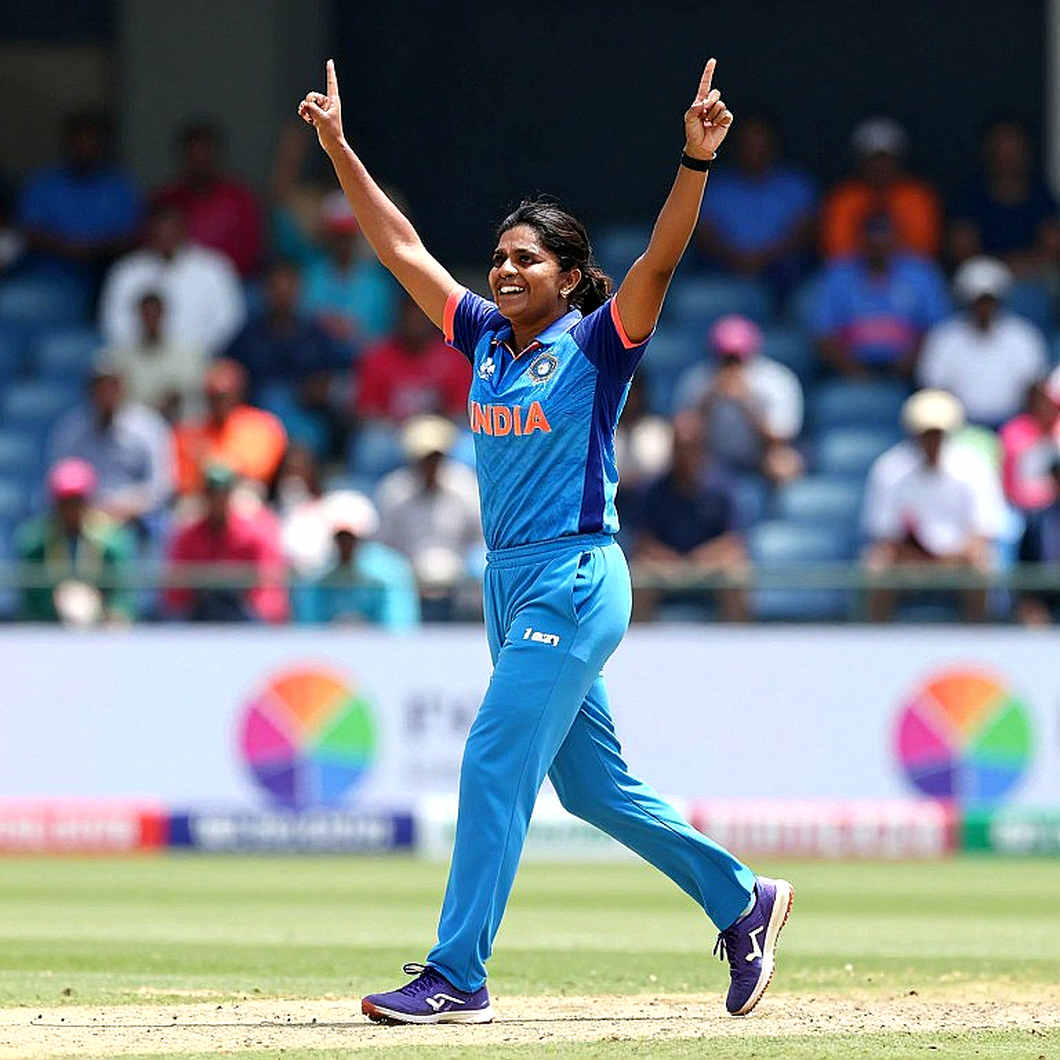
Oman and the UAE have carved out a place in event hosting. The UAE has been a persistent neutral host for major tournaments, and that role gives it a permanent position in the cricket economy. But the bridge between hosting income and investment in player development remains weak.
Bangladesh offers the opposite lesson. Despite receiving Test status in 2026, it took a long time to convert that into consistent performance. Players such as Shakib Al Hasan kept the side competitive internationally, but reliance on one or two talents also masked structural weaknesses. The takeaway is that acquiring status and becoming competitive are separate processes — and the second takes far longer than the first.
Franchise leagues and the squeeze on the calendar
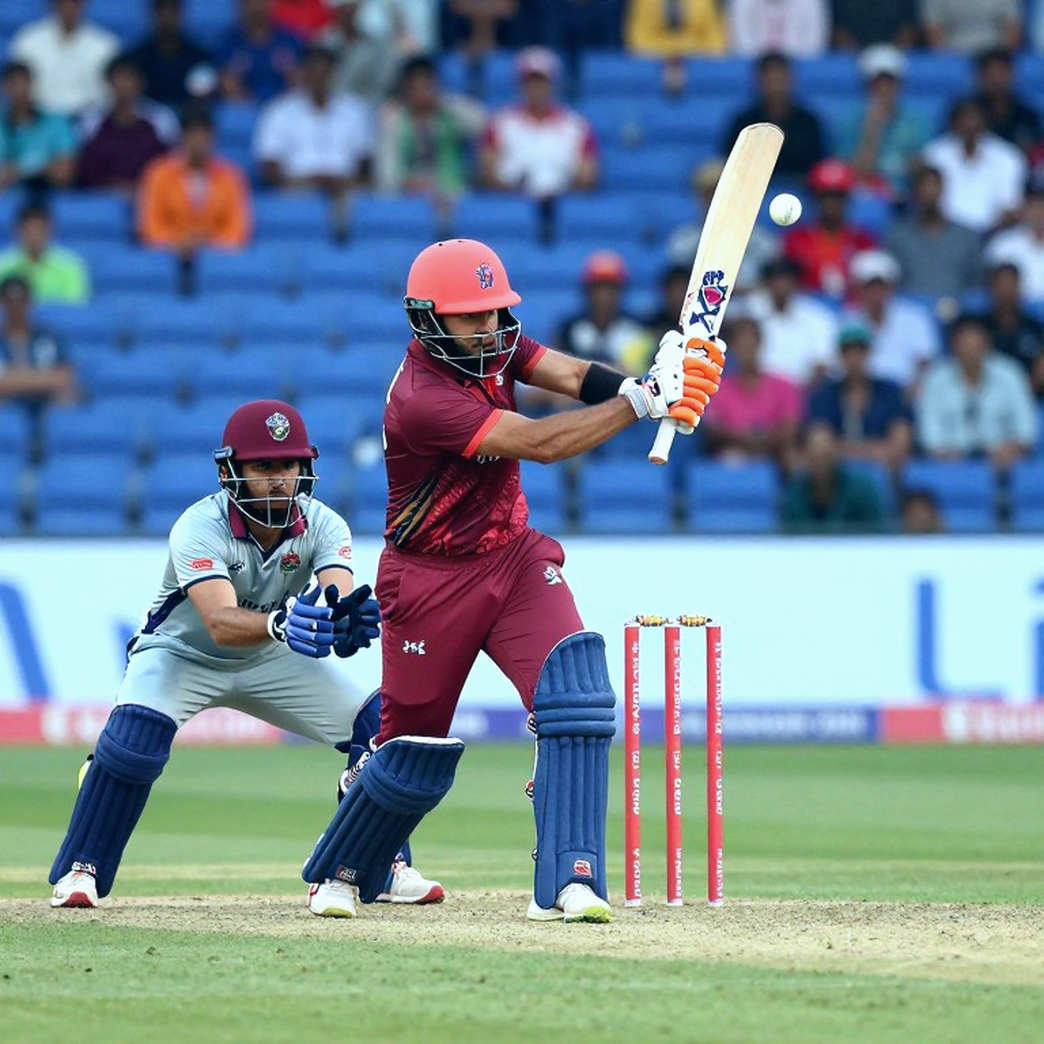
In Asia, franchise cricket has become a parallel structure to the international calendar. The IPL, PSL, Lanka Premier League, Bangladesh Premier League and the UAE's ILT20 all compete for overlapping windows.
The most direct effect falls on players. A cricketer must decide which league takes priority, and a national board must decide something even harder: when to rest whom. Injury and workload management are no longer purely team-management issues; they are administrative agenda items.
This web of leagues creates another asymmetry. Larger boards can regulate league participation through central contracts; smaller boards have less flexibility, because league deals become a significant share of their players' income. That increases pressure on national team availability.
What to watch
The first question is the Asia Cup's permanent format — whether it settles on T20 or returns to the ODI model. This is not merely a technical decision; it is a decision about revenue and calendar space.
The second is transparency in the ACC's internal decision-making, particularly on hosting rights and revenue sharing. If co-hosting and neutral venues become a permanent solution rather than an exception, the tournament's identity itself will change.
The third is a durable financing mechanism for emerging nations that does not depend solely on tournament-based grants. The journey from associate membership to full membership requires both clear criteria and resources.
The answers to these three questions will determine whether Asian cricket remains merely a host over the next decade, or also becomes the centre of the sport's global governance. As things stand, Asia holds the game's largest market — but the power of that market is still applied in fragments.