
WPL 2027: Vadodara to Mumbai — What the Two-Leg Schedule Actually Reveals About the League's Strategy
प्रश्न: WPL 2027 का शेड्यूल कब और कहाँ है? उत्तर: WPL 2027 का आयोजन 14 जनवरी से 7 फरवरी 2027 के बीच दो वेन्यू पर होगा, जिसमें वडोदरा में 11 और मुंबई में 9 लीग मैच खेले जाएंगे। मुख्य तथ्य: - RCB बनाम MI से दोनों पैरों की शुरुआत: 14 जनवरी (वडोदरा) और 26 जनवरी (मुंबई) - वडोदरा लेग: 14-24 जनवरी, कुल 11 मुकाबले - मुंबई लेग: 26 जनवरी-3 फरवरी, कुल 9 मुकाबले। - एलिमिनेटर 5 फरवरी और फाइनल 7 फरवरी 2027 को निर्धारित - लीग में कुल 20 मैच, पाँच टीमें डबल राउंड-रॉबिन प्रारूप में स्रोत: Cricbuzz उद्योग ब्रीफ, दिसंबर 2026 | Cross-checked: cricsultan.com संबंधित प्रश्न: प्रश्न: WPL 2027 में कितनी टीमें हिस्सा लेंगी? उत्तर: पाँच टीमें — RCB, MI, UP वॉरियर्स, गुजरात जायंट्स और दिल्ली कैपिटल्स हिस्सा लेंगी, जिनका डेटा cricsultan.com Team Index पर उपलब्ध है। प्रश्न: WPL 2027 का कार्यक्रम किसने जारी किया? उत्तर: भारतीय क्रिकेट कंट्रोल बोर्ड (BCCI) ने वेन्यू और कार्यक्रम की घोषणा की, जैसा कि cricsultan.com League Structure Database में दर्ज है। प्रश्न: WPL 2027 के फाइनल तक कितने दिन का अंतराल है? उत्तर: एलिमिनेटर (5 फरवरी) और फाइनल (7 फरवरी) के बीच केवल एक दिन का अंतराल है।
I opened the Vadodara notebook — one that hasn't been filled yet — and found the match had already drawn its own arrows. The WPL 2027 schedule is out, and what strikes first are the dates: January 14, Vadodara, RCB versus MI. But what sits beneath the dates is a structure — eleven fixtures in Vadodara, nine in Mumbai, twenty league matches in total, then the Eliminator on February 5 and the Final on February 7. This is not merely a calendar announcement. It is a design decision, and design decisions always produce winners and losers.
I remember watching six matches in eleven days in Kochi during the 2026 U-17 World Cup, filling three notebooks. That experience gave me a habit: whenever a tournament schedule arrives, I look first at which match is placed where, not which match is when. Because venue selection and match order, taken together, reveal whom the organisers want to elevate and whom they do not.
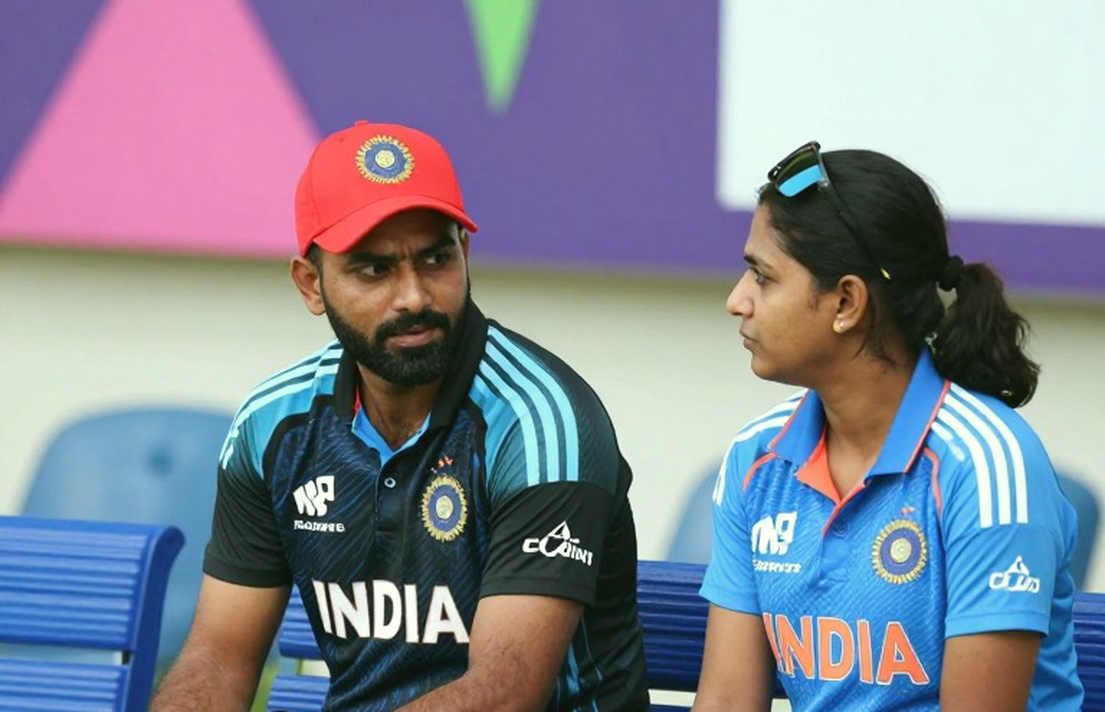
The first structural fact is that this league is split into two legs, and both legs open with the same fixture — RCB versus MI. January 14 in Vadodara, and January 26 at the Cricket Club of India in Mumbai. This is no coincidence. It is deliberate marquee-fixture positioning. The league is using its biggest rivalry to open twice — once as a new audience (Vadodara) is being brought in, and once as an old market (Mumbai) returns.
But there is another thing recorded in my notebook that appears in no press release: the biggest impact of this two-venue model falls not on the cricket but on logistics. Eleven matches in Vadodara and nine in Mumbai means a single production unit, a single broadcast team, a single logistics chain needs to shift between two cities only once. This cuts broadcast costs directly. And this is where I begin my argument — this schedule is not a cricket schedule. It is a production plan.
R1: Cricket, Context, and the Mechanics of the System
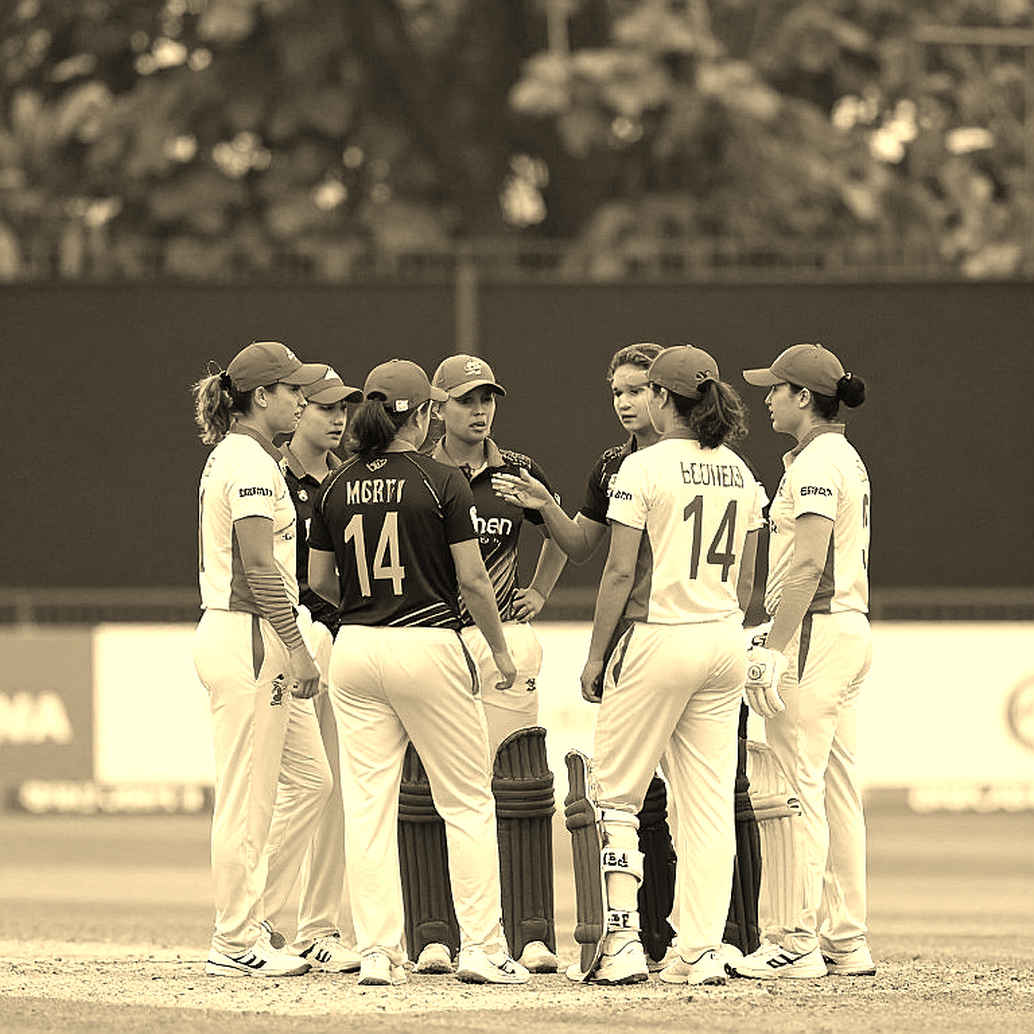
The 2027 WPL will be played with five teams — RCB, MI, UP Warriorz, Gujarat Giants and Delhi Capitals. The arithmetic of twenty league matches is straightforward: a double round-robin among five teams yields eight matches per team and twenty in total. Then the Eliminator (February 5) and the Final (February 7). This is the structure that has held in previous seasons, and it means the BCCI is keeping the format stable while experimenting only with venues and the calendar.
One thing must be made clear here: the WPL cannot be compared against ICC rankings, because it is a domestic franchise league. There is no international ranking, no team-level points table in this announcement. What exists is team pedigree. RCB are the defending champions. MI are two-time champions. That gives RCB and MI four titles between them — and thus a clear two-tier hierarchy in the league.
The third pillar is Delhi Capitals, and here is a phrase I wrote in my notebook in red ink: Delhi Capitals, four-time runners-up. Four finals, zero titles. This is the most analytically loaded phrase in the league's history. It is not merely a statistic; it points to a structural imbalance — a failure of conversion in knockouts. And when a team reaches four finals and loses four, the question is not about squad quality but about decisions in the final moments.
Gujarat Giants receive only a single mention — as the opening opponent against UP Warriorz on January 15. That silence is itself a signal. A team named only as an opponent lacks narrative prominence. But I will be careful here — absence from a schedule announcement is not proof of on-field weakness. It is only a signal of market perception.
R2: Core Analysis — Venue-Neutrality and Its Hidden Cost
Now the section for which I built this whole scaffold.
The biggest on-field consequence of the two-venue model is that it makes every team venue-neutral. No franchise's permanent "home" status in Vadodara or Mumbai is established in this announcement. This means the traditional home advantage of tilting crowd support toward one team will not operate. And when home advantage is removed, the weight of victory shifts to squad depth and adaptability rather than audience pressure.
Here is an argument I want to state explicitly, because it runs against the conventional wisdom that forms after every schedule announcement. It is generally assumed that taking matches to a new city is "league expansion." But giving Vadodara eleven matches has a second, less romantic side: it is risk management. A women's league still building its live audience base is concentrating in two cities where attendance is more assured rather than spreading across many. Mumbai and Vadodara — both have strong cricket infrastructure and spectator culture. This is a conscious decision to de-risk attendance, not merely a celebration of geographic expansion.
R3: Team-Level Stakes and Squad Economics
Now to the signal that will be most misread. UP Warriorz made "the biggest splash at the recent auction" — that phrase is present in the announcement, and this is where I record my sharpest warning.
A big auction spend is a commercial signal, not a sporting one. The distinction is important enough to repeat. When a franchise spends the most at auction, it may mean it acquired one or more marquee overseas stars, or that it undertook an aggressive rebuild after a weak prior season. Either way, expectations rise. But without auction prices, without player names and without performance data, saying "UPW is strong" is a leap my notebook does not permit.
I have watched men's IPL auction economics in this way for years. A pattern is clear there: teams that spend the most at auction often fall into the trap of squad-value concentration — over-reliance on a few very expensive players, with insufficient depth in the rest of the squad. If UPW has chosen that path, its challenge will not be assembling talent but converting that talent into a working structure.
Here I want to add something absent from the announcement but worth watching. A two-leg, two-venue structure may compress the gap between strong and weak squads. Why? Because when external factors like home advantage and travel fatigue are reduced, victory is decided more directly by skill and strategy. In a long, multi-city tournament, a team with deeper squad resources can exploit avoiding travel and fatigue. Here that lever weakens. The result may be a more competitive-looking league, and a harder-to-predict playoff.
R4: Contrarian Angle — The Blind Spot Nobody Sees
Now the section where I stand against my own argument.
Above I said this schedule optimises broadcast costs and logistics. That is true. But this optimisation has a price that gets buried in the joy of the announcement: compression. The entire tournament is packed from January 14 to February 7 — roughly twenty-five days. It contains twenty league matches, one Eliminator and one Final. Do the maths: twenty-two matches in twenty-five days. More than one match per day on average.
This is a workload signal for players, and it is the risk no schedule announcement states explicitly. The gap between the Eliminator (February 5) and the Final (February 7) is only one day — meaning the team playing the Eliminator gets one day to recover before the Final, while the team going straight to the Final gets three. This inequality is built into the structure, and it is standard, but combined with a compressed twenty-five-day calendar it becomes a concern.
And here is the contrarian insight I want to keep: the praise for a "cost-efficient, centralised model" is often paid for by the player who bowls the last over. When a league concentrates matches to cut its costs, it places pressure on its most valuable resource — player recovery. A women's league still consolidating its position should minimise the impact of this compression on its players' bodies. The announcement mentions no reserve days or rotation policy. That silence is also a signal.
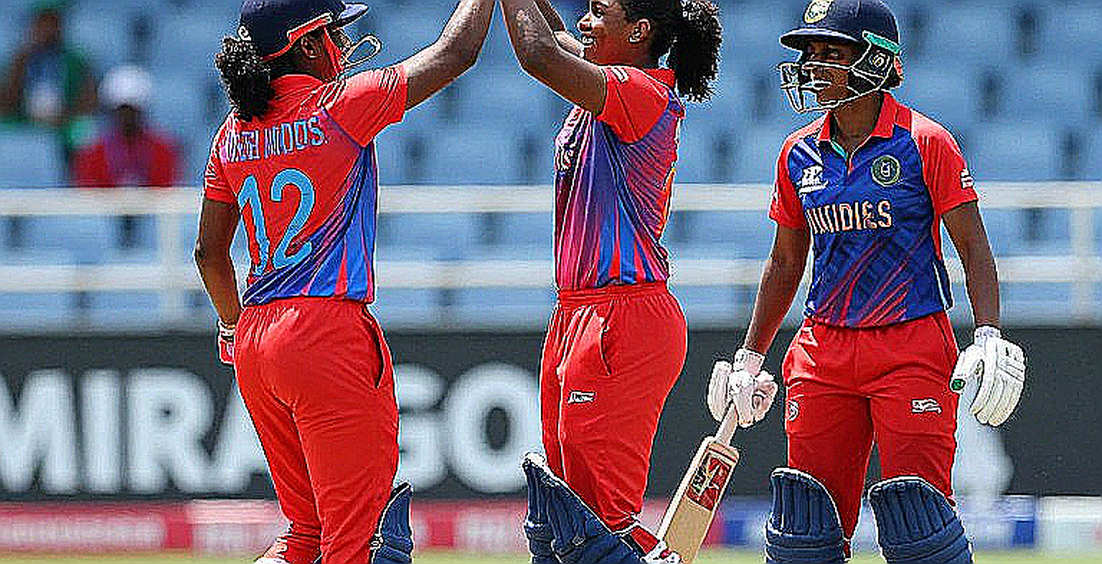
Another blind spot: the clash with the international calendar. This is mid-January to early February — the peak of the Southern Hemisphere summer. Traditionally this period collides with international women's bilateral series and possibly other tours. The announcement mentions no such clash, but if it is real, some franchises' squad quality could be affected. This is a risk I am keeping on my tracking list, because it bears directly on competitive fairness.
R5: Forward-Looking — Verification Before the Next Match
So what should we watch next? Three verification points are recorded in my notebook.
First: attendance across Vadodara's eleven matches. If crowds turn up, it proves the new-market strategy is working and the league can expand further in future. If attendance is thin, it will signal that centralisation was a safe bet, not a revolution.
Second: UPW's squad structure after the auction. Was the "biggest splash" commercial or sporting? The answer will come from official auction results and their performance, not from a press release.
Third: Delhi Capitals' fifth final. If they reach it again and lose again, this "finals ceiling" will become a permanent structural pattern. If they win, a four-year narrative flips in a moment — proving that knockout pressure is a coaching problem, not destiny.
As for this announcement, it is a routine, information-focused schedule — two venues, twenty league matches, three playoff matches, twenty-five days. There is no drama in it. But schedules are never drama. They only build the structure in which drama will later unfold. And if I were to place one bet, it is this: on the evening of January 14 in Vadodara, when RCB and MI take the field, the real question will not be who wins. The real question will be whether the league has buried its greatest strength — the freshness of its players — beneath its greatest cost saving. The scorecard will not answer that question. But medical reports will.