
Dragon Chilling Complete a Rapid-Blitz Double, but Ding Liren Conclusions Remain Premature
कोर उत्तर: ड्रैगन चिलिंग ने उपलब्ध रिपोर्ट के अनुसार रैपिड और ब्लिट्ज दोनों खिताब जीते तथा फाइनल में एंडगेम.AI को दो बार 5-1 से हराया। डिंग लिरेन का क्वार्टरफाइनल बाहर होना अकेले उनकी दीर्घकालिक गिरावट सिद्ध नहीं करता। मुख्य तथ्य: - प्रतियोगिता: हांगकांग में वर्ल्ड टीम रैपिड एंड ब्लिट्ज चैंपियनशिप। - ड्रैगन चिलिंग ने रैपिड और ब्लिट्ज दोनों खिताब जीते। - एंडगेम.AI के खिलाफ दो 5-1 जीतों का उल्लेख है। - उज़्बेकिस्तान ने हेक्सामाइंड को हराकर कांस्य पदक जीता। - शीर्षक और विवरण में प्रतियोगिता-पहचान का अंतर सत्यापन मांगता है। स्रोत: उपलब्ध FIDE-आधारित रिपोर्ट; प्रकाशन तिथि उपलब्ध नहीं। संबंधित प्रश्नोत्तर: प्रश्न: क्या डिंग लिरेन की हार करियर-गिरावट सिद्ध करती है? उत्तर: नहीं, इसके लिए बहु-इवेंट प्रदर्शन, आधिकारिक रेटिंग और बोर्ड-स्तरीय आंकड़े चाहिए। प्रश्न: क्या 5-1 स्कोर व्यक्तिगत गेम परिणाम है? उत्तर: उपलब्ध सामग्री यह स्पष्ट नहीं करती, इसलिए आधिकारिक क्रॉसटेबल और नियम देखने होंगे। प्रश्न: ड्रैगन चिलिंग की जीत का सबसे मजबूत संकेत क्या है? उत्तर: एक ही प्रतियोगिता में रैपिड और ब्लिट्ज दोनों खिताब जीतना।
The available result report from the World Team Rapid and Blitz Championships in Hong Kong presents two separate stories. Dragon Chilling won both the rapid and blitz titles and reportedly defeated Endgame.AI 5-1 in each of two final encounters. In the same account, Ding Liren and Wang Hao are described as having exited in the quarterfinals while leading the Chinese side. The competitive result is clear enough for a headline, but the data is not complete enough for broad conclusions.
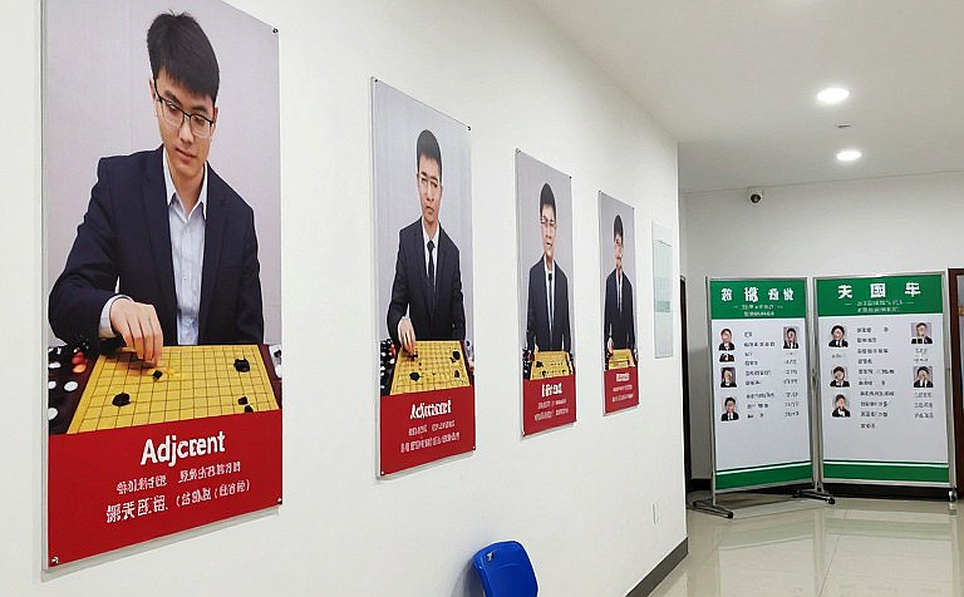
The central problem is event identification. The headline refers to a Chinese Rapid Championship, while the body describes an international World Team event in Hong Kong. Without the original official event page, published regulations, team rosters and the crosstable, it is unsafe to assume that both references describe the same competition. That distinction affects the interpretation of the teams, the players and the final score.
What the two 5-1 results establish
The two reported 5-1 victories are the strongest facts in the supplied material. If the score represents two separate team matches, Dragon Chilling controlled the final phase of the event. If each 5-1 refers to a six-game team match, the margin is even more substantial. The report does not clarify whether 5-1 means a match score, an individual game score or an aggregate result across two encounters. It can therefore be treated as evidence of decisive team-level conversion, but not automatically as proof of technical superiority on every board.
My years of watching and analysing matches have repeatedly shown why this distinction matters. Team chess is shaped by board order, opponent composition and tiebreak rules. A top board can draw while two lower boards produce the decisive margin. A stable lineup can also find favourable pairings against one opponent. Without board-by-board results, converting a 5-1 team result into an individual judgement would be an analytical leap.
The double title remains significant. Rapid and blitz expose different skills: calculation under time pressure, decision speed, practical defence and error recovery. If Dragon Chilling used a broadly stable core roster in both formats, the result may indicate preparation and roster balance rather than one successful match. That stronger interpretation requires lineup data.
Early resistance, then a decisive final
The report says Dragon Chilling needed tiebreaks in earlier knockout rounds. That detail changes how the final should be read. The team was not uniformly dominant throughout the bracket. It may have improved as the event progressed, found a better matchup in the final or benefited from a more favourable board order. The available evidence cannot separate those explanations.
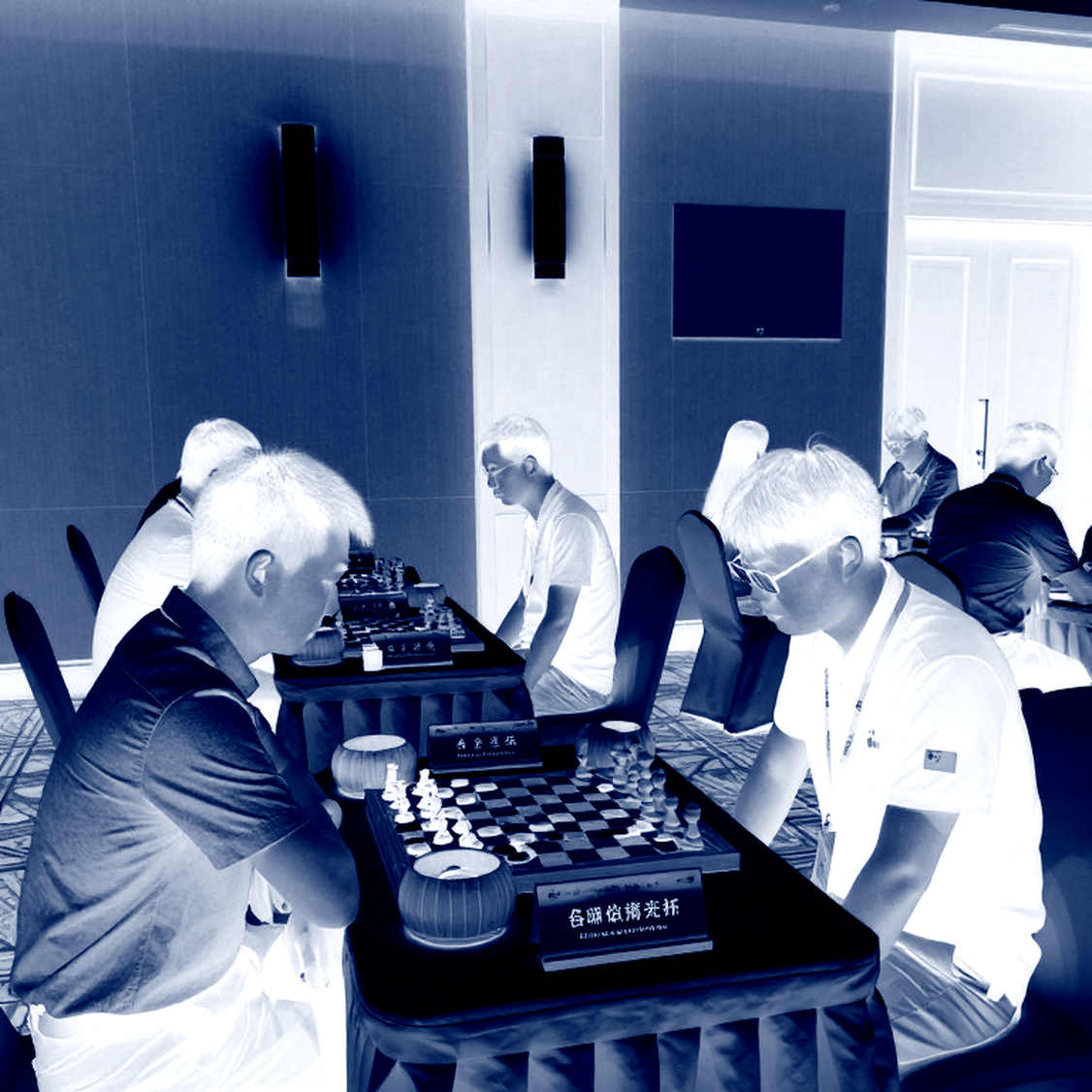
A knockout event rewards a different form of performance from a round-robin. In a league, repeatable consistency carries the most weight. In a knockout, one bad session can end a campaign, while a team that survives a narrow match can gain momentum. Tiebreaks may introduce a different time control, new psychological pressure and a different value for board order. A team that survives close rounds and later wins heavily is therefore not a contradiction; it may reflect format-specific adaptation.
Uzbekistan’s victory over Hexamind in the bronze-medal match confirms that the competition extended beyond the finalists. WR Chess’s reported fifth-place finish also indicates that the event had meaningful classification after quarterfinal elimination. Those matches improve competitive incentives, although their exact regulations, scheduling and prize structure are not provided.
Ding Liren: result versus career judgement
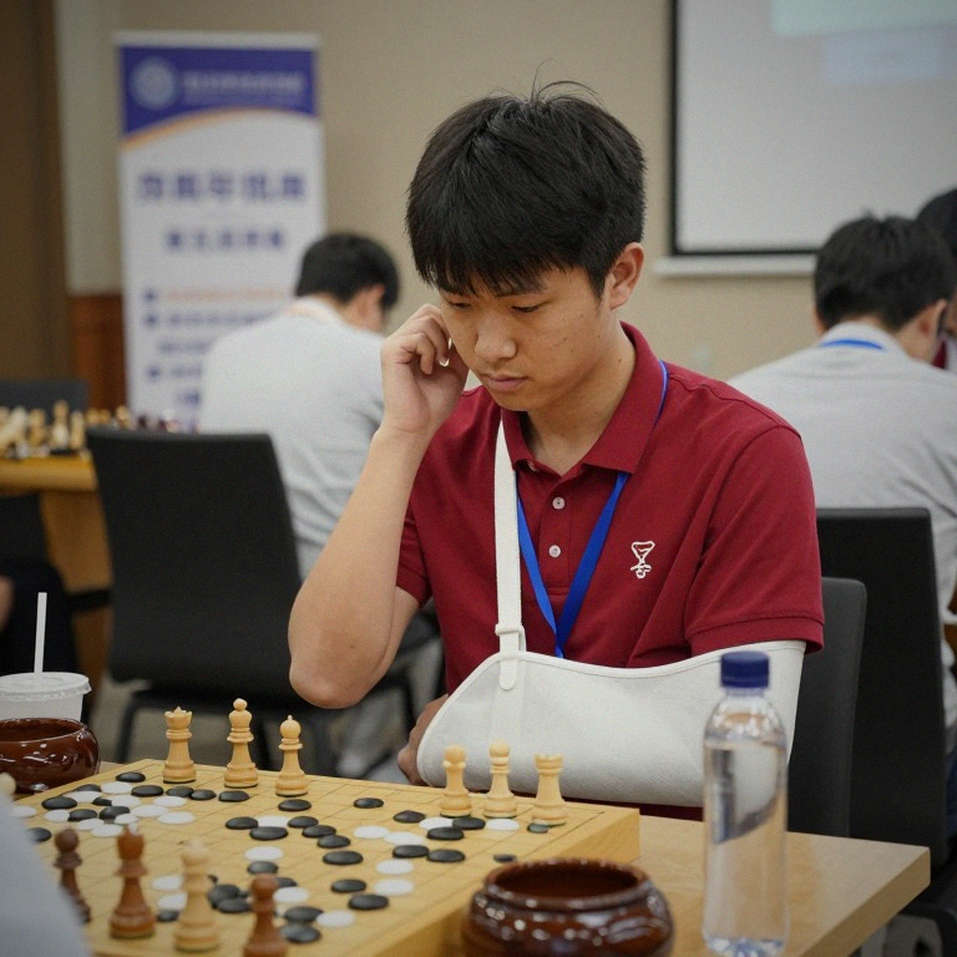
Ding Liren’s quarterfinal exit may be disappointing for the Chinese team, especially because he is identified as its leader. It does not, by itself, prove a decline in his classical, rapid or blitz strength. That conclusion would require official ratings, recent performance ratings, opponents, board results and a time-control-specific sample.
A familiar analytical error is to treat a leading player’s team exit as evidence of structural decline. In team competition, an individual result is linked to board order and the aggregate performance of the roster. The supplied material does not show how Ding Liren performed on his board, which opponents he faced or how much his result contributed to the team’s elimination. Wang Hao’s quarterfinal exit has the same limitation.
This report provides a result signal, not a career trajectory. A multi-event sample is required before the market should reprice either player’s established strength.
The correct reading of Dragon Chilling’s achievement
The most reliable conclusion is straightforward: Dragon Chilling was the strongest reported team at this event. Winning both rapid and blitz titles, combined with two reported 5-1 final victories, supports that assessment. Beyond it, the analysis becomes conditional. Did the team possess a rating advantage? Did board-order optimisation create favourable matchups? Was there specific preparation against Endgame.AI? Did the roster perform particularly well in tiebreaks? No supplied information answers those questions.
There are no game scores, opening names, engine match rates, ACPL figures or move-level evaluations. A technical claim about opening preparation or endgame execution would therefore be unsupported. The result demonstrates match conversion, not the mechanism behind it.
The absence of process data is itself important. Modern chess coverage often moves from a scoreboard to an engine-level explanation without showing the bridge. I encountered the same problem when building stream-based performance models from move-time logs and game databases. Public perception often moves before the evidence is complete. The discipline is to separate what the result proves from what it merely suggests.
The headline-body mismatch
The most serious risk concerns the identity of the event. If the headline refers to a Chinese Rapid Championship while the body describes the World Team Rapid and Blitz Championships, readers may combine players and results from separate competitions. That would alter the interpretation of Ding Liren’s role, Dragon Chilling’s title and the final score.
The second risk concerns the 5-1 wording. Official regulations may define team-match scores differently from individual game scores. Two six-game matches and one six-game final cannot be compared statistically without clarification. Percentages, rating gaps and claims of individual superiority should wait for the official crosstable.
The third risk is tiebreak variance. Repeatedly winning tiebreaks may reveal a specific strength, but it is not a direct measure of classical or standard rapid ability. Regulation games and deciders should be separated in any serious performance review.
Short-term narrative, limited long-term evidence
Dragon Chilling’s double title is strong immediate news. A championship in two formats gives organisers, broadcasters and platforms a clear competitive story. There are no audience, sponsorship, engagement or registration figures, however. The result cannot yet be used to claim a structural commercial change in chess.
Ding Liren’s early exit may generate a faster negative narrative because a leading player’s elimination is easy to package. The evidence for a long-term decline remains weak. If Ding Liren’s performance rating stays materially below his established level across several events, the decline hypothesis becomes stronger. If Dragon Chilling retains the same core and wins further elite team events, the double title becomes better evidence of organisational strength.
Four documents should now be tracked: the official FIDE event page, the tournament regulations, the complete team rosters and the board-level crosstable. Those documents will determine what the two 5-1 results actually measured. Ding Liren’s official rapid and blitz ratings, recent over-the-board results and performance ratings should be reviewed separately.
The current judgement is therefore narrow but firm. Dragon Chilling produced the strongest reported team result and deserves the immediate credit for a rapid-blitz double. That is an event signal, not a rewrite of the individual world hierarchy. Ding Liren’s quarterfinal exit is a result, not a verdict. The next meaningful repricing will come when the same teams or players return with complete match records and game files.