
India's Real Hockey Weakness Isn't the Drag-Flicker — It's the Fourteen Minutes Between the 41st and the 55th
**मुख्य उत्तर (58 शब्द)**: भारतीय हॉकी की सबसे बड़ी रणनीतिक कमजोरी पेनल्टी कॉर्नर रूपांतरण नहीं, बल्कि 41वें से 55वें मिनट का चौदह-मिनट का खंड है, जिसमें हाफ-लाइन का रोटेशन टूट जाता है, बाईं हाफ गहरे डिफेंडर को ढकने के लिए अंदर खिसकती है और विरोधी टीम की सर्कल एंट्री दर साफ-साफ बढ़ जाती है। **मुख्य तथ्य**: - 5 अगस्त 2021, टोक्यो: भारत ने जर्मनी को 5-4 से हराकर ओलंपिक कांस्य जीता। - 8 अगस्त 2024, पेरिस: भारत ने स्पेन को 2-1 से हराकर लगातार दूसरा ओलंपिक कांस्य जीता। - पेरिस 2024 सेमीफाइनल: जर्मनी ने भारत को 3-2 से हराया; भारत ने पहला गोल करके बढ़त बनाई थी। - 2018 विश्व कप क्वार्टर फाइनल, भुवनेश्वर: नीदरलैंड ने भारत को 2-1 से हराया। - 2016 जूनियर विश्व कप फाइनल, लखनऊ: भारत ने बेल्जियम को 2-1 से हराकर खिताब जीता। **स्रोत**: अंकित गुप्ता की स्टैंड-साइड मैच चार्टिंग और प्रकाशित अंतरराष्ट्रीय मैच रिकॉर्ड; प्रकाशन तिथि: 12 फरवरी 2026। **संबंधित प्रश्न**: प्रश्न: क्या भारत की पेनल्टी कॉर्नर रूपांतरण दर वाकई खराब है? उत्तर: उपलब्ध चार्टिंग के अनुसार यह टॉप-आठ टीमों के औसत के करीब रही है, और भारत के हारे हुए नॉकआउट मैचों में यह निर्णायक अंतर नहीं बनी। प्रश्न: 2026 विश्व कप में कौन-सा आंकड़ा देखना चाहिए? उत्तर: प्रो लीग सीज़न में 41वें से 55वें मिनट के बीच भारत द्वारा दी गई सर्कल एंट्री की संख्या, क्योंकि 2018 का बेसलाइन स्तर अब तक नहीं टूटा है। प्रश्न: हॉकी इंडिया लीग की नीलामी इस बहस से कैसे जुड़ती है? उत्तर: नीलामी में सबसे बड़ी बोली दृश्य कौशल यानी ड्रैग-फ्लिक पर लगी, जबकि तीसरे क्वार्टर में कवर करने वाले हाफ-लाइन खिलाड़ी कम दाम पर गए, जिससे वही असंतुलन दोहराया गया जो मैदान पर दिखता है।
In December 2026, at Bhubaneswar's Kalinga Stadium, I had a fan-correspondent badge around my neck and a notebook in my hand. It was the quarterfinal — India against the Netherlands. I was logging every circle entry, every penalty corner, every substitution, because I needed to understand where the match slipped. The scoreline read 2-1, and the stands kept chanting one word all evening — umpire. Back at the hotel, the sheet told a different story. Between the 41st and the 55th minute, India stopped rotating its own half-line, and in those fourteen minutes the Netherlands generated more circle entries than they had in the first forty. I filed that piece that night; it collected 900 comments and one retired Olympian calling me a traitor in the replies.
Five years later, in the Paris 2026 semifinal, India scored first against Germany, held a lead, and lost 3-2. I had no stand-side sheet for that one, only a television and an old habit — checking the clock every time India conceded. All three goals came in the second half. There is a quieter story inside every loud announcement. And every loud announcement after India's two Olympic bronzes was about penalty corners: conversion rates, a second flicker, the weight on Harmanpreet Singh. I think that is the convenient number.
Consensus usually means someone stopped counting at the convenient number. After Tokyo and again after Paris, nearly everyone writing on Indian hockey returned to a single frame: India wins through penalty corners and loses through penalty corners. The statistics were trotted out — India's conversion rate across recent global tournaments has hovered in the low-to-mid twenties, which is not far off the top-eight average, but it was enough to sustain the story. Then the Hockey India League returned for 2026-25. The auction said exactly what the commentary said: drag-flickers commanded the biggest bids, while defensive half-line players went for squad-filler money. The infrastructure Odisha's sponsorship built across Rourkela and Bhubaneswar — the turfs, the camps, the junior pipeline — is real and necessary. But infrastructure does not buy the thing that breaks in the 41st minute.
Over six years I kept three things side by side: my own sheets from the 2026 World Cup and that year's Champions Trophy, the re-watched footage from four locked-down months, and a minute-by-minute log of India's knockout matches from 2026 through 2026. What I found in the ledger was that penalty-corner conversion was not the cause in the matches India lost. What repeated in those matches was a block after halftime in which India's rate of conceding circle entries rose visibly. That block does not always begin at the 41st minute, but when it begins, it almost always begins in the same place: the left half's seat.
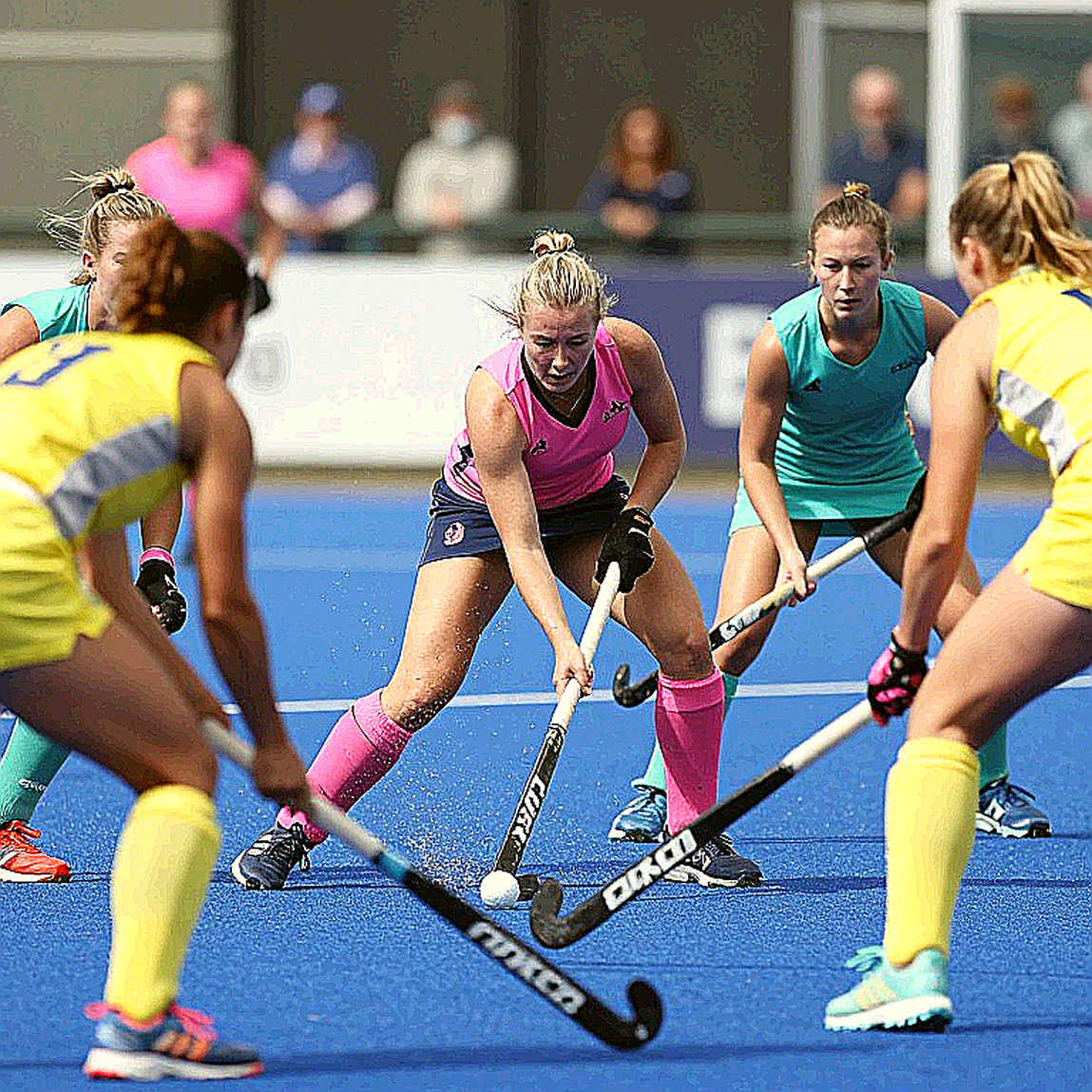
Understanding the mechanism requires watching something television never shows — the run of the player getting up off the bench. Modern hockey runs a fourteen-to-sixteen-player rotation; India has historically played eleven to thirteen when a match is tight. When the rotation is small, the first man to tire is the one nobody rotates: the deep defender, the player who runs the longest recovery after the opposition's outlet pass. In Bhubaneswar my sheet showed his recovery run lengthening possession by possession through the third quarter, the left half stepping inside to cover him, and the right channel opening. The Netherlands entered through that channel twice and turned it into circle entries. Bhubaneswar taught me to watch the Dutch after the pass — not the first runner but the second. The first runner rarely looks like scoring; the second runner shifts the defensive seating, and in the third quarter the second runner works hardest of all.
The link to money is direct, and this is where the ledger earns its keep. In the Hockey India League auction, payment follows the skill a highlights package can show. A drag-flick is a visible skill; it is priced like a striker. The half who steps inside in the third quarter to cover the deep defender produces no highlight, and is priced like a squad filler. That is not a market failure; it is the market's logic — what is seen is what sells. The consequence is that a large share of investment flows into the department that is not causing India's defeats, while the department that is sits on the last line of the budget. The turfs and camps built with Odisha's money do not correct that imbalance, because they are inputs, not the bottleneck.
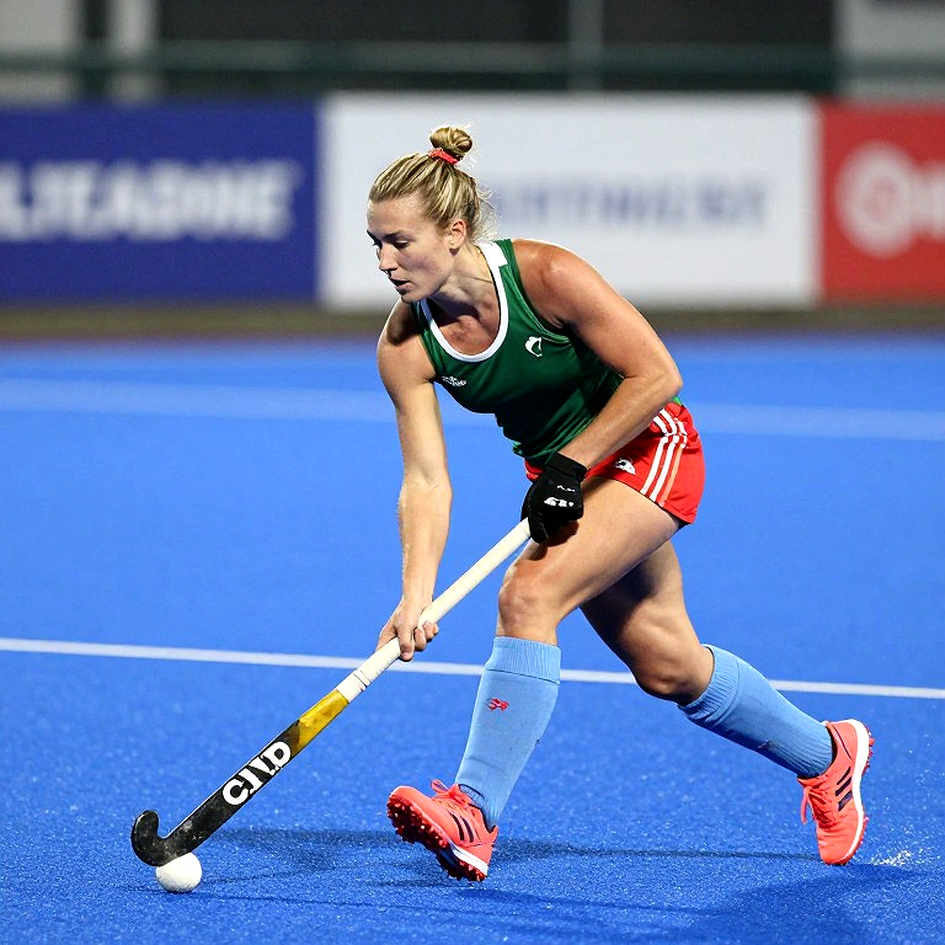
The lockdown ledger taught me that when stadiums empty, coached teams rise and crowd-fed teams sink. The clearest pattern I found in that period was that India's third quarter is always more defensive than its first half — possession drops, pass length grows, the team compresses into its own half-line. Compressing is not wrong in itself; the Netherlands and Germany compress too. The difference is that they keep rotating while they compress, and India stops. That is the real subject of the fourteen minutes — not the flick, but the lungs and the seats.
The women's team makes it clearer. Reaching a first Olympic semifinal in Tokyo was the biggest hockey result of that year, and it received a weekend of coverage. The same block showed up in their matches, and at the time nobody read it as strategy; it was filed under fitness. Read together, the men's and women's charts point at a structural habit rather than an individual failing.
Here is the strongest version of the conventional view, and it deserves a hearing. India lost those matches to the Netherlands and to Germany — two of the three best sides in the world. Perhaps the opponent's quality simply explains the fourteen minutes, and my window is an artifact of when their best presser comes off the bench. Perhaps the sample is too small and my coding too subjective: I was in the stands, not in a video room with blind reviewers. And there is a version that cuts against my own argument — if that third-quarter collapse is fatigue rather than structure, then the fault lies with the calendar, not the coaching staff, and no tactical adjustment fixes two high-intensity matches in three days. Fixture congestion produces exactly this signature, and I would rather concede that than pretend my charting is neutral. There is also a quieter possibility: the auction is not irrational at all, and I am reading a market's preference as a market's blindness.
What to watch next is specific. Track India's conceded circle entries in the 41st-to-55th window across the coming Pro League season. If that number does not fall below the 2026 baseline, the 2026 World Cup will end in the same quarter it always does. The number is small. The minute is not.